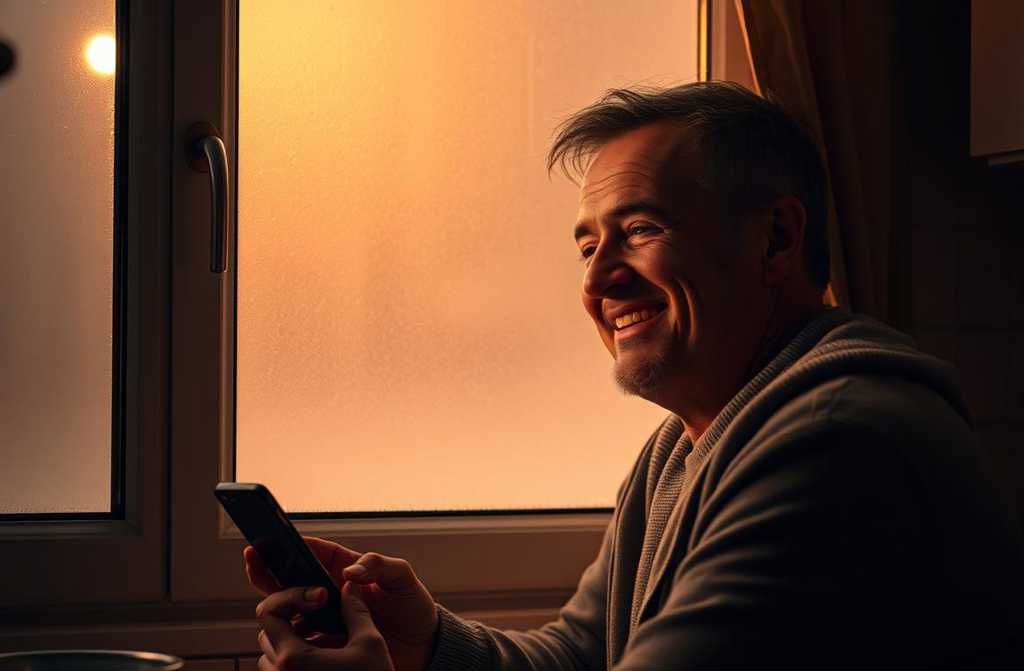
When the notification about a speeding fine popped up on his phone, Oliver didnt understand what was going on at first. He was sitting at the kitchen table, elbows propped on the laminate surface. The flat was already dim with evening light, and outside, the last of the snow was melting, leaving uneven wet patches on the pavement by the front door. Just another evening routinechecking messages, scrolling through the news. But then an email from the car-sharing service arrived. The subject line read: *Speeding Fine.*
At first, Oliver assumed it was a mistake. The last time hed used a rental car was at the start of the montha quick trip to the supermarket on the outskirtsand hed made sure to properly end the session in the app. Since then, no trips, no plans to drive: hed been working remotely for ages, and for errands, he either walked or took the bus. His coat hung by the door, damp from the drizzly wind, but he hadnt even gone near a car.
He opened the notification and read it three times. The fine was definitely addressed to him, with yesterdays date and time stamped on it. The email listed the cars registration plate and the exact stretch of roadsomewhere near the train station, a part of town Oliver hadnt been to in weeks.
Suspicion turned to irritation. He immediately opened the car-sharing app. The screen flickered with the company logo, loading slower than usualhis Wi-Fi was always patchy in the evenings. The trip history showed a rental the night before: started just after eight, ended forty minutes later on the other side of town.
Oliver went through the details. The start time matched when hed been eating dinner in front of the telly, half-watching a news segment about some tech expo. He tapped *More Info*the route unfolded over the city map, familiar streets flashing grey beneath the traced line.
His mind jumped between explanations. A glitch in the system? Someone hacking his account? But his password was strong, and his phone was always either on him or charging by the bed at night.
He scrolled back to the email and spotted the standard appeal linkcustomer support promised to review complaints within 48 hours if users could prove their innocence.
Fingers trembling slightly from frustration, he typed a quick message into the apps help chat:
*»Evening. Just got a speeding fine for rental # but I didnt take the car out yesterdaywas at home all night. Please check this is correct.»*
The auto-reply was instant: *»Thank you for your message. Your case has been logged. Please wait while we investigate.»*
He grimaced. If this wasnt sorted, *hed* be the one payingthe rules pinned responsibility to the account holder. He vaguely remembered that clause from last years app update.
A floorboard creaked in the next room. The heating had been off for a week thanks to the milder days, but evenings still carried a chill, even with the windows shut. Oliver half-listened to the sounds of the flatthe fridge humming, muffled voices drifting up from the stairwell.
The wait dragged on, gnawing at him. To distract himself, he scrolled through the trip history again and noticed something odd: the rental had ended almost automatically, without the usual photos of the cars interiornormally, the app demanded proof of the vehicles condition.
A helpless frustration rose in himno direct contact with an actual human from support, just automated replies and forms.
Oliver scribbled details on a scrap of paper: the rentals start time matched when hed been watching the news, and the pickup spot was a shopping centre three bus stops from his place.
He considered calling an old colleague who did legal worksomeone whod once mentioned how tough it was to challenge fines without solid proof of fraud or technical errors. But instinct pushed him to gather his own evidence first, something concrete to take to both the car-share company and, if needed, the police.
The next morning, Oliver woke earlyslept badly, nerves still frayed. First thing, he checked his emails and the support chat: no updates, just the same automated *»Under Review»* status.
Trying to hurry things along, he reopened the trip history, cross-referencing the rentals start time with his own movements. His online banking showed a takeaway order around seven, then a flurry of work messages between half-eight and nineright when the mysterious trip had supposedly happened.
He took screenshotsthe route, the rental time, his transactionsand resent them to support, attaching files this time.
Waiting felt easier now, but Oliver couldnt shake the absurdity of having to *prove* he hadnt been somewhere.
Outside, dusk settled again. Streetlights cast yellow smudges on the wet pavement; someone hurried past the building, breath misting even in the mild evening air.
By eight, support replieda boilerplate response: *»Thanks for your patience! Weve escalated your case For further checks, we recommend filing a police report and sending us a copy to expedite the fines cancellation.»*
More red tape. Now hed have to prove his innocence to the authorities too.
That evening, Oliver headed to the local police station. The queue was shorta duty officer listened carefully, helping him draft a formal complaint about unauthorised account use. They took copies of his trip logs and screenshots.
Back home late, he fired up his laptop, uploading the police report alongside his support chat history.
One last hurdle: finding out whod actually used his account.
The next morning, the car-shares security team reached out for the first timea manager offered him access to CCTV footage of the rentals start.
The video loaded in the app. An external camera near the shopping centre had caught a medium-built figure approaching the car, unlocking it with a phone, sliding into the drivers seatmovements sharp, hood tugged up. The face was turned away, but one thing was clear: *not* Oliver.
Morning had started with exhaustion, not panic. Condensation dotted the kitchen windowhumid spring air clinging to the glass. He wiped the sill absently, half-listening to the citys muffled noise outside: puddles splashed as tyres cut through them. No new notifications. He checked his email, then his messagesnothing from the police or support yet.
He skimmed the threadthe CCTV and report had been sent last night. Security had promised to reassess the case once they had everything. Now, just waiting.
Around midday, a brief email arrived: *»Your evidence has been received. Expect a final decision by close of business.»* The phrasing felt impersonal. He glanced again at the footagethat hooded figure, that hurried motion by the car door.
Time crawled. He tried to workreplying to colleagues, checking reportsbut his mind kept circling back to the rental. The police copy lay by his keyboard; printed screenshots of the route and transactions stacked beside his phone.
At two, another notification: *»After reviewing your case, weve cancelled the fine due to confirmed unauthorised access. Thank you for your vigilance.»* A security tips PDF was attached.
Oliver read it twice; relief uncoiled slowly, like recovery from a long illness. The app showed the disputed trip gone from his history, the case marked *Resolved.*
Almost immediately, support calleda calm, professional voice:
*»We appreciate your quick action We recommend enabling two-factor authentication for your account. Instructions will follow.»*
Oliver thanked them:
*»Hope this doesnt happen again. Ill sort it today.»*
After hanging up, he went straight to the apps security settingstwo-step verification took minutes: a longer password, a quick SMS code. A confirmation pinged through.
Relief mixed with lingering annoyance. The issue was resolved, but any slip-up could leave him exposed againto strangers, to algorithms.
That evening, he met two colleagues at a café near the officea rare in-person catch-up instead of video calls.
*»Nearly had to pay a fine for someone elses joyride,»* he explained over coffee. *»Thank God for CCTV. From now on, its passwords and verification codes.»*
One of them frowned:
*»Didnt even think that could happen. Might check my own settings.»*
A quiet unease threaded the conversationno one took digital habits for granted anymore.
He walked home in drizzle, streetlights smearing gold on wet tarmac. The stairwell was cool and quiet; inside, he checked his phone once moreno new alerts.
Late at night, he lingered by the kitchen window. The whole ordeal felt different nowless about fear of glitches or malice, more about his own carelessness.
The next day, he forwarded the security guide to a few contacts, adding a quick note:
*»Better safe than sorry.»*
Two replied straight awayone asked about fine appeals, the other thanked him for the two-factor tip.
The week ended quietly. Work settled back into routine; no more alarming emails or strange activity in the app. But every evening, Oliver automatically checked his security settingsanother small habit woven into life, like locking the door or turning off the lights.