The dream began in a cramped flat on a rainslicked lane in London, where Elspeth lay on a threadbare sofa and whispered, Its dull with youlike a silent library. Ive fallen for someone else, Victor.
Victors eyes were flat, his voice a thin scrape as he slipped the words into the stale air. Elspeth stared, as if a taut violin string had snapped inside her chest. Three years of shared hopes, plans, latenight talks about the futuregone in a breath.
Dull? she repeated, trying to catch the meaning. Three years werent boring for you, and now you say?
Victor didnt meet her gaze, merely folding shirts into a battered suitcase. Whats the point, Elspeth? It just happened. It happens to us all. Were not the first, nor will we be the last.
She wanted to scream, to argue, but her throat clenched. She watched, numb, as the man she loved methodically erased the traces of their life together.
When he left, the rented room seemed a vast, empty cavern. The walls pressed in, the air grew viscous. Elspeth sank onto the couch and wept, but the tears did nothing to lift the weight. Nights found her reaching for the cold half of the bed; days she moved through work like a ghost, blind to everything else.
Behind the thin plaster, neighbours laughed, cursed, flicked the television on. Their voices seeped through, reminding her that another worldfull, noisy, realstill existed. She was left with only memories and a hollow flat.
All she craved was simple: love, a home where someone waited, a place she could be herself without pretending strength. She dreamed of a place that would accept hertired, bewildered, yearning for ordinary human warmth.
A year later, she met him.
It was in a tiny coffee shop opposite her office. Elspeth darted in for an afternoon brew. At the window table sat a man, his face grey with fatigue, his gaze dim. Their eyes met for a heartbeat, and Elspeth saw her own emptiness reflected back.
He was Arthur, thirtyeight, newly divorced, childless, living in a twobedroom flat that shouted of neglect: dusty bookshelves, a sagging sofa, grimy windows. He seemed more squeezed lemon than vicious.
Divorced three years ago, Arthur said on their third date, mechanically stirring his coffee. Since then Ive been doing what I must. Workhome, homework. You get used to being alone. It even gets comfortableno one nags, no expectations, no waiting.
Elspeth listened and heard her own pain, now crusted over with indifference.
Slowly she slipped into his world, first tentatively, then deeper. At first they simply met: cinema, park walks, café lingerings. Arthur was sparing with words, which Elspeth now liked after Victors chatter. In his silence there was a strange charmno need to fill gaps with idle talk.
One day I noticed how empty your flat feels, Elspeth said, glancing around his place.
Got used to it, Arthur shrugged. Why change anything?
But Elspeth saw something else: a man who had forgotten how to care for himself, how to truly live instead of merely existing.
Six months later she moved in, bringing only the essentials at first. Gradually the flat transformed. She rearranged furniture to coax more light, bought fresh bedding to replace the threadbare, swapped cracked mugs and plates, placed potted flowers on the sill, hung airy curtains that let sunshine pour in. The air filled with the scent of homecooked meals and fresh linen. The house breathed, warmed.
Why are you doing all this? Arthur asked one evening as she hung newly laundered curtains.
I want you to like coming home, she replied, and he fell silent.
Unaware of his own shift, Arthur grew accustomed to her care. He liked returning to a spotless flat that smelled of fresh food, where a dinner always waited, the bed ever soft. Elspeth wove a cocoon of comfort around him, a place to relax and think of nothing.
For two years she tended to Arthurcooking his favourite dishes, noting whether he liked his sauce sweeter or spicier, crafting coziness from the smallest details, from the aroma of morning coffee to a soft throw on the sofa. She surrounded him with love, asking nothing in return.
She postponed any talk of the future, fearing to upset the fragile balance. Each time the question What next? rose, she held it back, thinking it was too early, that he should first feel how good it was together.
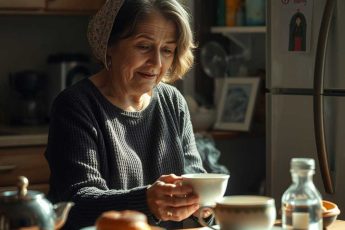
Eventually she asked. Arthur sat at the kitchen table, sipping tea from a new cup shed bought that week. Rain drizzled outside, but the flat was warm and snug.
Arthur, when will we get married?
He lifted his eyes from the cup, shook his head.
Marriage? Im not planning to walk down an aisle again. Im not that foolish.
Elspeth froze. The kitchen turned cold, alien. The cups, curtains, flowers on the windowsillall became props on a stage she no longer belonged to. All the warmth, all the hope, crumbled in an instant.
But why then? she stammered. Why did I do all this? Two years, Arthur! Two years I wrapped you in love and care. I thought we were building a future together!
Arthur set the cup down.
I never asked for this. You started it yourself. I was fine as I was.
She could not believe it. The man shed transformed a barren flat into a home for had never truly understoodor simply didnt want to.
Fine? Her voice was pressed. Was it fine to live in dust and grime? To have secondhand meals? To sleep on tattered sheets?
It was fine, not perfect, but livable, he said, as if commenting on the weather. I appreciate what you do, truly. But I never promised marriage. After the divorce I swore off it. A stamp in the passport changes nothing.
It changes everything for me, Elspeth whispered. It means were a family, that we have a future, that Im not just a convenient woman.
Arthur tried to argue, Youve got it all wrong.
But Elspeth rose, slipped out of the dining room, and began gathering her things. Arthur watched, silent, making no plea, no attempt to stop her.
Do you realise theres nowhere for you to go? he finally said. Its late, its raining outside.
Ill figure something out, she answered shortly, zipping her suitcase.
She passed him, stepped into the hallway, turned once to look at the flat for the last time. No longer there was a place for her love.
The door closed behind her with a soft click. She walked down the rainslicked street, the droplets indifferent, a hollow ache in her chest, one thought looping endlessly: I only wanted him to be happy
She checked into a modest hotel, perched on the edge of the bed, finally allowed herself to weeplong, exhausted sobs until she ran out of strength.
When the pain softened, she understood. Her mistake was not loving; it was giving everything without ever receiving a step forward. She had built a family where her devotion was taken for granted, offering warmth to a man who never asked for it. She wanted to be needed, but became merely convenient. She poured her soul into someone who treated it as a free addon to his orderly life.
Now she knew love cannot be bought with chores. You cannot earn reciprocity through cleaning, caring, or cooking.
And if another man ever appears, she will no longer rush to swap his pillows or replace his crockery, nor rush to create a cosy nest in his house. She will watch his actions, his intentions, whether he walks toward her as she does toward him. If he does, together they will craft a home where no one has to earn a seat beside the other.