15April
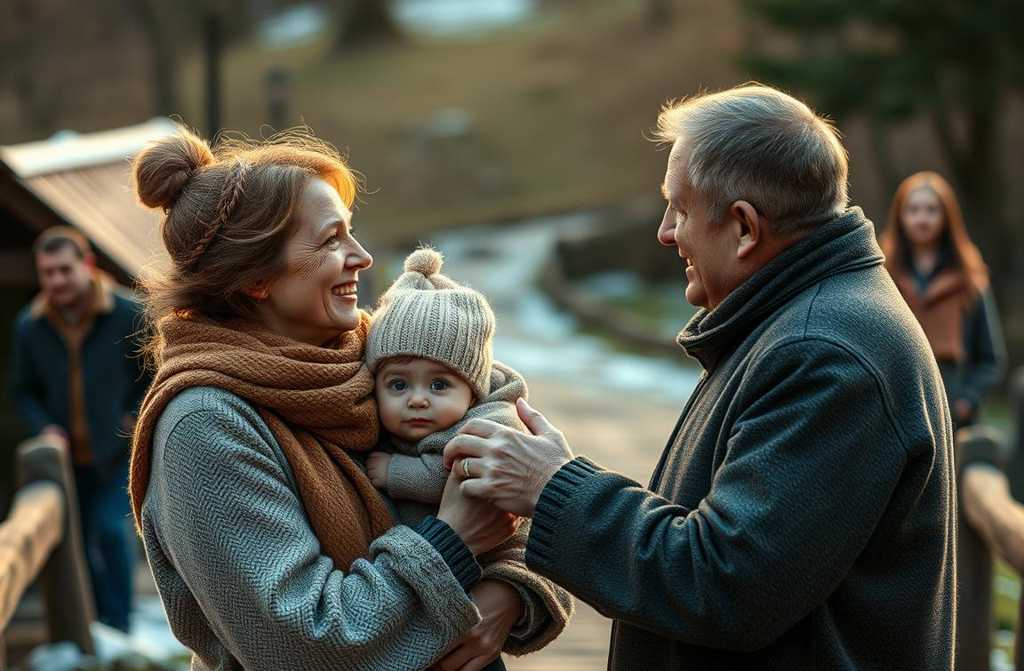
The mornings over the River Wensum were still, a thin veil of frost clinging to the old footbridge. Each step sent a hollow snap through the weatherworn planks. Life in Meadowbrook went on as always: schoolboys with satchels slung over their shoulders hurried across the bridge to the bus stop, waiting for the yellow schoolbus that would take them to the town; Mrs. Margaret Clarke, a spry septuagenarian, shuffled carefully over the gaps between the boards, a canvas grocery bag with milk in one hand and a wooden cane in the other. Behind her trundled a threewheeled bike, its rider a fiveyearold boy called Oliver, eyes wide as he made sure his wheels didnt slip into a hollow.
In the evenings a small crowd gathered on the bench outside the village shop, swapping gossip about egg prices, the latest thaw, and how each family had managed the winter. The bridge linked the two halves of the village the fields and the old churchyard on one side, the road to the market town on the other. Occasionally someone lingered by the water, staring at the lingering ice that still clung to the centre of the river. The bridge itself was never spoken of much; it was simply part of the scenery, as ordinary as the hedgerows.
But this spring the boards began to creak louder. Old Mr. Albert Harris was the first to spot a fresh crack near the railing. He ran a finger along it, shaking his head. On his way home he heard two women at the bakery:
Things are getting worse God forbid it collapses, one said.
Its stood there for ages, dont be ridiculous, the other replied.
Their words hung in the March wind.
The next morning was damp and overcast. A notice taped to the lamppost at the crossroads read, under a clear plastic strip, Bridge closed by council order due to unsafe condition. No crossing permitted. The signature of the parish council chairman was unmistakable. Someone had already tried to peel back the corner of the notice, as if to test its authenticity.
At first no one took it seriously. Children trotted toward the river on the familiar path, then turned back when a red ribbon and a No Entry sign blocked the entrance. Mrs. Clarke stared at the ribbon through her spectacles, then slowly turned and walked along the bank looking for a detour.
Around ten villagers sat on the shop bench, reading the notice aloud in a circle. The first to speak was Mr. Thomas Brooks:
What now? The bus wont reach the stop Who will bring the groceries?
And if someone needs to get to town urgently? This is the only way over!
Their voices trembled with unease. Someone suggested walking on the ice, but the ice was already pulling away from the bank.
By lunchtime the news had spread through every lane. Young people phoned the district office, asking whether a temporary ferry or a makeshift crossing could be arranged:
We were told to wait for an inspection team
What if its an emergency?
The reply was a rehearsed line: an assessment had been carried out, a decision made for the safety of residents.
That evening the village hall hosted a meeting. Almost all the adults turned up, jackets buttoned up against the damp wind blowing off the river. The room smelled of tea from thermoses; someone wiped fogged glasses with the cuff of a coat.
Conversation began quietly:
How will we get the children to school? The road is a mile away.
Supplies have to come from the town side
Debate followed about whether the bridge could be repaired by the villagers themselves or a temporary walkway should be built alongside it. An older memory surfaced of past floods when the community patched holes together with spare timber.
Mr. James Wilson stood up:
We could write an official request to the council! We need permission for at least a temporary footpath.
Mrs. Susan Parker backed him:
If we all sign, theyll grant it faster! Otherwise well be waiting months
It was agreed to draft a collective petition, listing names of those willing to labour or lend tools.
For two days a threeperson delegation rode to the district centre to meet a council officer. He received them briskly:
By law any works over a watercourse must be authorised; otherwise the municipality bears liability. But if you submit a citizens meeting minutes
Mr. Wilson handed over a sheet thick with signatures:
This is the resolution of our meeting. Please allow a temporary walkway!
After a short consultation the officer gave verbal approval, on condition that safety guidelines be observed. He promised a handful of nails and a few planks from the councils maintenance store.
By the next morning the whole village knew the permit had been granted; waiting was no longer an option. Fresh signs hung on the old bridge, and beside the water lay the first new boards and a sack of nails that had been obtained through the council. Before dawn a group of men gathered at the bank: James Wilson, his face set under an old knitted sweater, was the first to pick up a spade and clear the ground. Others followed with axes, bundles of wire, and sandbags. Women werent idle they brought tea in thermoses and a pair of woolen gloves for anyone who had forgotten theirs.
Ice still clung in patches farther out, but the ground near the bank was already soggy. Boots sank into the mud as the boards were laid directly on the thawed earth and hauled to the edge. Each man knew his role: some measured distances to keep the walkway from drifting, others held nails between their teeth and drove them in without comment. Children lingered at the perimeter, collecting sticks for a fire; they were asked not to get in the way, yet they kept close, eager to be part of the effort.
From the opposite bench, elders watched. Mrs. Clarke wrapped herself tighter around her shawl, cane steady in both hands. Oliver hopped onto the bench beside her, watching the construction intently and asking, How much longer? She smiled through her lenses:
Patience, little Oliver Soon youll be able to cross the bridge again.
A shout rose from the riverbank:
Careful! That board is slippery!
When the drizzle thickened, the women spread an old tarpaulin over the work area, creating a drier spot. Beneath it they set up an improvised table with thermoses, a loaf of bread, and a few tins of condensed milk. Folks sipped tea and returned immediately to their hammers or shovels. Time passed quickly; no one rushed the others, but each tried not to fall behind. Several times a board had to be repositioned because it slid, or a post sank too deep. Mr. Wilson muttered under his breath, while Mr. Brooks suggested a different approach:
Let me hold it from below Itll be steadier that way.
Thus they worked, offering advice, lending a hand, and sharing the load.
Around midday a council maintenance officer arrived, a young man with a folder tucked under his arm. He inspected the temporary structure:
Dont forget the handrails, especially for the children
The villagers nodded; extra planks were fetched for side rails. They signed the paperwork right there on a damp sheet, ink smearing on their fingers, each affixing his name as a pledge to the work.
By evening the makeshift walkway was almost complete: a long strip of fresh boards stretched along the old bridge, supported by temporary piles and timber braces. Nails protruded here and there, and the toolbox lay halfempty. The first children dared to step onto it: Oliver walked cautiously, hand in an adults, while Mrs. Clarke kept a watchful eye on every footfall.
All gathered to watch the first people cross. At first they moved slowly, listening to the creak of the boards; then they grew more confident. From the opposite bank someone waved:
Its done!
In that instant the tension lifted, as if a spring had finally released.
That night a fire crackled by the river. Those who had stayed until the end huddled around, the smoke rising low over the water, the scent of damp wood and toasted branches warming our hands better than any tea could. Conversation drifted:
Would be nice to have a proper bridge someday.
For now this will do. At least the children can get to school.
James Wilson stared pensively at the water:
If we pull together, well manage whatever comes next.
Mrs. Clarke, seated beside him, whispered a quiet thanks:
Without you lot Id never have dared to go out alone.
Late, a thin mist rolled over the river; the water remained high after the recent floods, but the grass along the banks turned a richer green each day. Folks headed home slowly, chatting about a possible community cleanup at the hall or fixing the school fence.
The following day life slipped back into its familiar rhythm. Children crossed the temporary walkway to the bus stop, adults carried shopping bags across the river without fear of being cut off from the market town. By weeks end council officers returned to inspect the makeshift crossing, praised the villagers workmanship, and promised to accelerate plans for a permanent bridge.
Spring days grew longer; the river echoed with bird song and the splash of water against the new supports. Neighbours greeted each other a little warmer, now that everyone understood the worth of a shared endeavour.
Soon another project will loom perhaps resurfacing the lane to the parish church or building a play area for the youngsters. That will be a new conversation. One thing is clear: when a community unites, no obstacle is insurmountable.
Lesson learned: together we can rebuild more than bridges; we rebuild the very ties that hold a village together.