Two friends, two fates
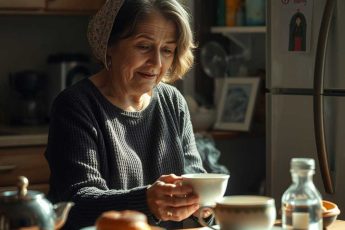
Valerie stands before the mirror, watching her own reflection with a sigh. Old woman, old woman, she mutters. Her face droops, a double chin, deep lines everywhere Yes, she is sixtysix, not a spring chicken, and after a life like hers, it feels heavy. She sighs again and tries to fasten the hair rollers her daughter has slipped onto her head this morning.
Today the village of Ashford is holding a celebration fifty years since the local secondary school first opened its doors. Valerie was among the first pupils to graduate from that very school. The building is being festooned for the event; officials from the nearby town of Bexley are due to attend, and the whole parish will gather. Former classmates promised to travel in, but most live far away and many have already passed on over the years.
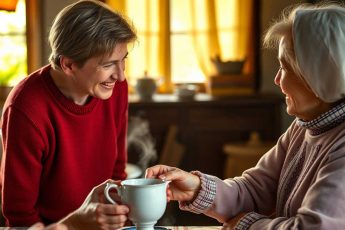
A bark from the family terrier, Scruffy, rings out in the yard. Valerie peers out the kitchen window. A womans silhouette looms by the gate. She pulls on an old cardigan and steps outside to greet the guest. At first she doesnt recognise her, but when the woman speaks, the memory clicks its her school friend Gwen.
Did you get the invitation? I thought Id come back to the village for once. I havent had a place to stay. My family are long gone, Gwen says, glancing at Valerie.
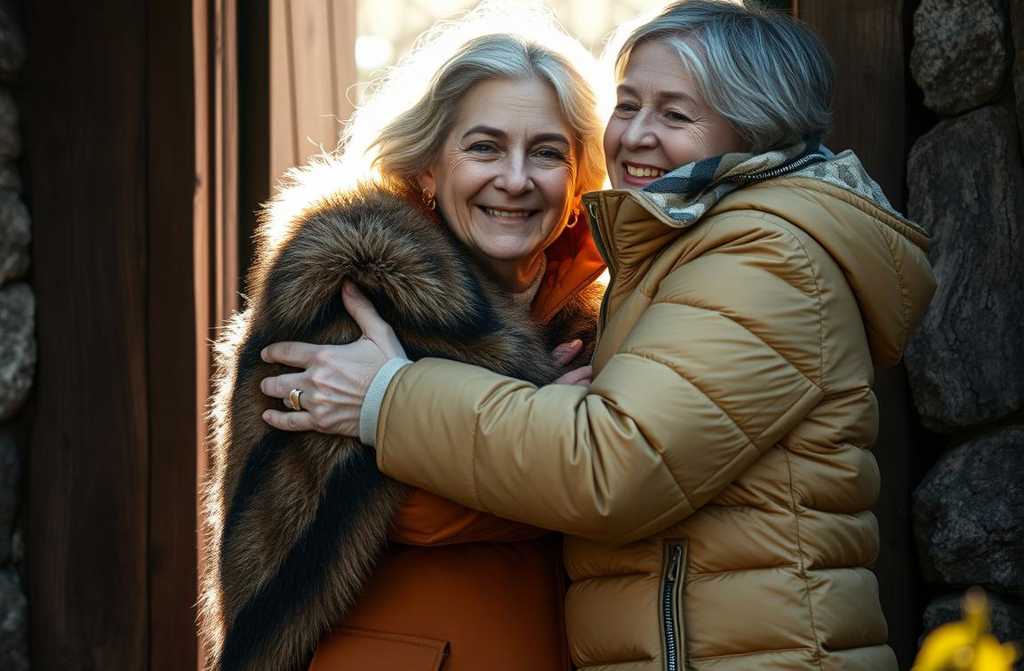
Of course Ill let you stay, Valerie replies, and the two women embrace, a few tears slipping away, unsure whether theyre from joy or sorrow.
You look wonderful, so fashionable, Valerie says, admiring her visitor.
I lived in the city for years, Gwen answers. My husband was a respectable manager, so I had to keep up with city standards. If I lived here, Id be just like you! Sorry, I didnt mean to offend you, she adds, a hint of embarrassment in her voice.
Dont worry, Valerie says. I can see the difference. You look about fifteen years younger than me, even though were the same age, she sighs.
That evening, the women in their best dresses walk to the school. Only eight people from Bexley make the trip. Many havent seen each other for decades and struggle to recognise familiar faces. After the formal ceremony, tables are laid out, tea is poured, and the group drinks in honour of the reunion how could they not? They reminisce, laugh, and enjoy each others company, staying until after midnight.
Gwen returns to Valeries cottage, but neither feels like sleeping. They sit together, talking until the first light of dawn. Gwen begins to describe her city life: My husband was a good man. We were inseparable, but three years ago he died. Her only daughter lives in London, has a university degree, and is happily married. Were childfree, Gwen says proudly. Valerie, puzzled, asks what that means. Its a term for people who deliberately choose not to have children, Valerie explains.
The fact that Gwens daughter only visits a few times bothers her. She missed her fathers funeral because her job a senior position at a financial firm kept her locked in London. Her mother never invites her over, but she does send money. With that support Gwen can afford a stay at a spa and live without worrying about every penny. Her state pension is tiny, because she never built a work record; her late husband discouraged her from taking a job.
Tell me, Valerie, did you also lose your husband? I heard your Nicholas drank a lot. Where are the children? Gwen asks.
Valerie nods. Just like most men in the village, they drank heavily, especially after the forestry plant closed and work vanished. Our lads were like broken chains. She continues, My husband was a quiet man, never said much, but when he did drink, he turned into a beast. Anger flew from every crack. I fought hard against him. I remember nights wed hide in our clothes, waiting for a drunken night to end before we could escape to the barn.
She tells how she kept a few piglets, raised two sows, and sold the piglets when they grew. My little rooster kept drinking until he fell ill. He quit smoking and drinking too late; his whole system was poisoned. She laughs, We all drank anything that burned.
Her daughter Lucy finished teacher training and now works at the local primary school. Lucys husband is the headmaster and also serves as a local councillor. You saw him today a good man. When the education board wanted to cut the school down to nine grades, he wrote to London and saved it, she says. Her twins enlisted together, served in the army, and now rotate together on a overseas base, earning a decent wage. Six grandchildren, each with two children, keep the family line thriving. We dont reject having kids how could we? The boys hardly drink, only on holidays, and theyve learned from their own fathers not to overindulge, she adds.
The next morning Valerie walks Gwen to the bus stop. She hands her a thick slice of bacon, layered with fat, and a jar of raspberry jam. Outside, the contrast between the two women is stark. Gwen, slender, wears a sleek puffer coat, a coquettish mink hat, lowheeled boots, and her lips are glossy with lipstick. Valerie, solidly built, dons an old coat that has long left fashion, sturdy felt shoes, and a woolen shawl over her head.
A bus pulls up. The friends hug, promising to call each other. Gwen hops onto the bus with ease; Valerie, heavyfooted, makes her way home.
P.S. The two women began life with almost the same starting point, yet fate has taken them down very different roads. Is it chance? Luck? Some hidden force pulling at the strings of womens destinies? Perhaps it isnt as simple as it first appears. Who, after all, is the happier one?