The Cost of Consensus
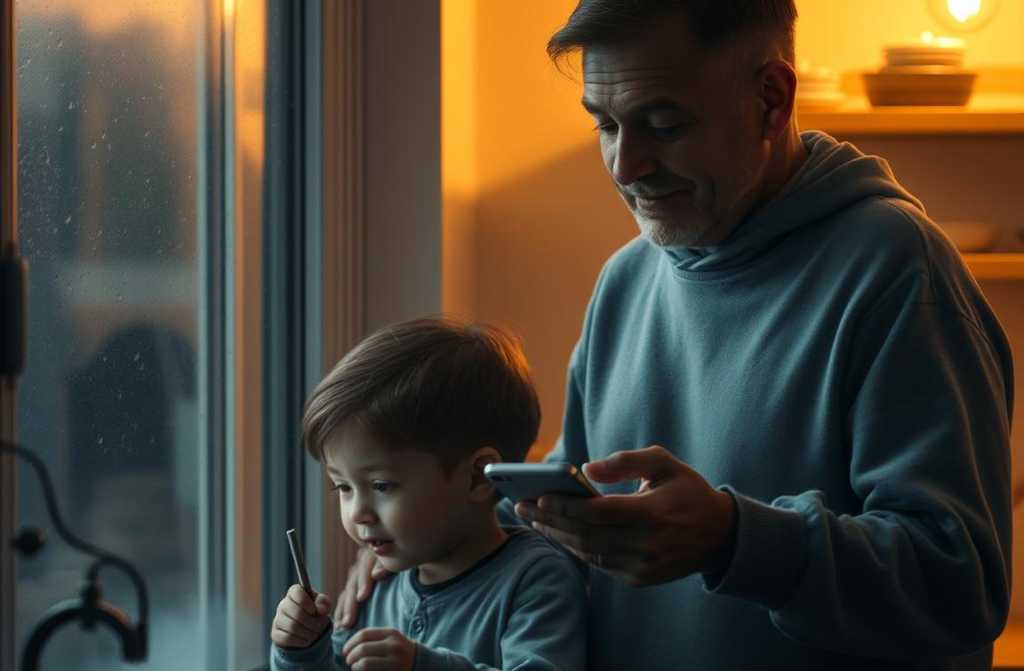
A weekday evening started with the usual bustleparents returning from work, kids back from after-school club, and the school group chat already lighting up phones. The soft glow of the kitchen reflected in the window, where the last traces of dusk faded. On the sill near the radiator lay his sons damp gloves, hastily tossed asidewater stains spreading across the worn plastic, a reminder that spring in the Midlands was dragging its feet.
In the chat, where quick reminders and homework links usually flew, a long, carefully worded message suddenly appeared from Natalie Smiththe class rep. No pleasantries, just straight to the point: «Dear parents! Urgent improvements needed for the classroomnew curtains, whiteboard upgrades, decorations for the spring fairPLEASE contribute £70 by tomorrow evening. Its for the kids! Non-negotiable.» The smiley at the end felt more like a formality than anything cheerful.
Usually, these messages got a quick «+» in reply, an unspoken wave of agreement. But this time, reactions were different. The chat went quiet. Someone typed, «Why so much?» Another pointed out last terms collection, which had been much smaller. A few forwarded the message privately, hesitant to speak up. The evening dragged on, and outside, squelching footsteps echoedkids coming home, leaving muddy streaks in the hallway. Between it all, someone complained, «The schoolyards a bogmight as well live in wellies till June.»
The chat sparked to life. One mum, tired but never one to stay quiet, typed, «Can we see last years spending breakdown?» The message got a few thumbs-ups fast. Natalie replied politely but firmly: «All funds were spent appropriately. Our class is the bestno need to revisit the past. Focus on tomorrows deadline. Ive already ordered some supplies. We need contributions ASAP.»
Meanwhile, Jamesjust another dad of a Year 3 kidleft his phone on the kitchen table between a cereal box and a half-drunk cuppa. He glanced at the screen, trying to keep up. He wasnt one to jump in, but irritation simmered. The amount seemed steep, and the tone too pushy. Next door, his son chatted about painting raindrops on the windows during after-school club to «make the classroom spring-ready.» James half-listened, until the chats constant buzzing became impossible to ignorehis phone vibrating every thirty seconds.
The voices in the chat grew. One mum wrote, «Were all for improvements, but why cant we discuss the amount? Maybe a minimum contribution?» Another backed her: «Two kids here£140 is a lot. Lets at least talk about it.» The usual eager parents reacted sharply. «This was agreed at the meeting,» Natalie insisted. «If you cant pay, DM me. Lets not make a scene. Other classes pay more.»
The chat split into two camps. One side backed the plan»its for the kids, no debate needed»while the other demanded transparency and choice. James decided to speak up: «Im all for open records. Can we see last years spreadsheet? And why not a fund where people give what they can?» His message got lost in the flood at first, but soon it had the most likes of the night.
Things moved fast then. The organisers shared last years receiptspatchy, incomplete. Someone noticed, «Wheres the breakdown for the Christmas decorations? We paid for those already.» The reply was terse: «Stop nitpicking. It was all above board. Im volunteering my time here.» The tone grew sharper. Meanwhile, someone posted a photo of the schoolyardkids trudging through mud in wellies. Under it, a debate flared: «Maybe spend the money on mats by the entrance instead?»
Then, Claireone of the mumssuggested a shared spreadsheet for class funds. «Team, lets vote: whos for voluntary contributions and open records? Ill manage the sheet. Heres last years spending.» She attached a screenshotrows of expenses, leftover funds. Some parents saw the numbers for the first time. Now the argument wasnt just about the amount, but the right to demand fixed payments at all.
Messages flew: «Everyones situations different. No pressure,» «Contributions should be voluntary!» «Ill help with labour, not cash.» The organisers tried steering back: «Times ticking. Decorations are ordered. If people dont pay, the kids lose out.» But the guilt-trip didnt land like before. Parents replied openly now: «We want transparency. If its mandatory, Im out.»
The turning point came when Claire posted a full spending breakdown and called for a vote: «Parents, lets decide properly. Whos for voluntary payments and open records? Were here for the kids, but for ourselves too.» The chat went silent for a minute. Some forwarded the message; others called friends in the PTA. No one could pretend this was normal anymore. A decision had to be made.
After Claires spreadsheet and vote proposal, the chat froze. Even the emojis stalledno one rushed to tick «agree,» as if this wasnt just about money, but the whole class dynamic. James watched the screen: a few «yes» votes appeared by his name, some tentative support for choice. But then came the worry: «What if we dont hit the target? What happens to the upgrades?»
Natalie jumped in, sharper now: «Everyone, I get it, but were on a deadline. Leavers decorations are ordered, some things bought with my own money. If payments fall short, Im stuck covering it. Who wants to keep things as they are?» Silence. A couple of timid «+» replies, but most stayed quiet. The chat buzzed with compromises: a minimum fund for essentials (nets for the windows, curtains, entrance mats), the rest optional. One dad shared links to cheap curtains; another offered to help hang them.
Finally, Claire posted: «Lets vote: minimum £15, then whatever people can give. All spending goes in the shared sheet, pinned for everyone. Agreed?» For once, the chat unitednearly all replied «+». Even Natalie, after a pause, wrote, «Fine. As long as the kids are happy.» Her tone was tired, but the edge was gone.
Within minutes, they had a system: a basic fund, two volunteers for records, monthly spending updates. Someone sent a phototheir son building the first snowman of spring, a wry nod to the season fighting through the mud.
James looked at his phone, relief replacing the nights frustration. He typed, «Cheers for sorting this. Feels fair nowvoluntary, open.» Others echoed him, even the quiet ones: «About time,» «Thanks, Claire.» A joke even landed: «Next fundraiserfor the PTAs nerves!» The chat laughed, finally light.
A pinned message listed the new rules: the spreadsheet, essential buys, a poll for extra contributions. Claire added, «Any questions, just ask. All transparent now.» The chat moved onschool pick-ups, where to find cheap wellies, when the heating would switch off.
James muted his phone and listened to his wife reading their son a bedtime story. Outside, night had fully settled; the glove puddles on the sill had merged. The issue was resolved more smoothly than expectedbut the evenings tension lingered. Sometimes the obvious answer took too much effort.
The chat buzzed about the long weekend, kids in wellies. James knew this wouldnt be the last time. But now, they had rules. A spreadsheet. Not perfectbut honest. No more forced collections.
Natalie had the last word: «Thanks, all. Ill hand over some record-keeping.» Her tone was weary, but accepting. No one argued. The chat finally fell silentno winners, no fights. Just everyone moving on.
In the hallway, his son fussed with his backpack, murmuring about window paintings. James smiled. The cost of transparency? Time and stress. But sometimes, it was worth it.