A warm visit
On a late March morning Andrew Martin stops in front of the glass doors of the Sunny Grove Care Home. A thin frost still clings to the chestnut branches that line the driveway, and a cleaner pushes a bucket of melted water across the cobbles. He slides on his glove, checks that his privatesecurity ID is tucked in his chest pocket, and pushes the warm door open.
Forty years ago he first stepped onto the parade ground as a fresh officer cadet; now, at fiftyfive, he walks into the luxurious nursing residence as a new security officer. His military pension covers the basics, but his sons mortgage and his wifes medication require extra cash. The retraining course, the medical exam, the cleanslate criminalrecord checkthose hurdles are behind him; today marks his first shift.
Tom, a slim young man in an impeccably pressed jacket, greets Andrew and leads him down a corridor. Reproductions of Turner hang on the walls, soft yellow light spills from the ceiling. Your post is next to the doctors office, Tom explains. Youll log entries and make sure strangers dont disturb the residents.
Andrew settles at a compact desk with surveillance monitors. The screen shows a spacious lobby that looks like an aquarium: leather sofas, a coffee vending machine, and at the entrance a smiling plastic figurine of an elderly lady. He runs his finger over a laminated layout: three residential wings, physiotherapy, a swimming pool. The opulence is undeniable, yet the sounds of human life are almost absent.
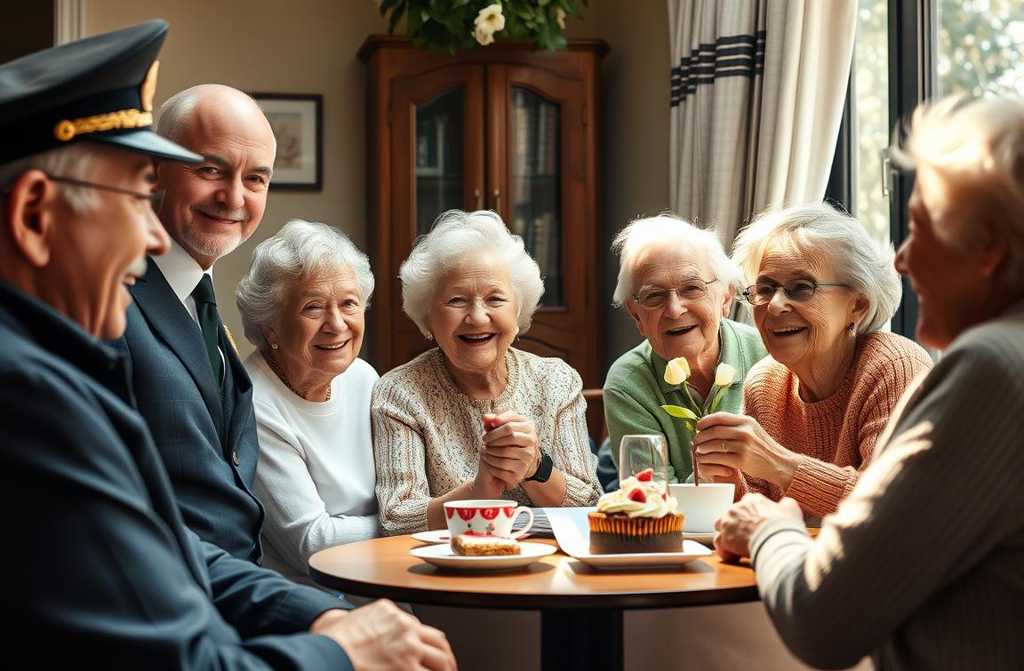
At noon, while escorting Nurse Helen on her rounds, Andrew meets some of the residents. Retired Colonel Edward Clarkealso a former serviceman, seven years his seniorstands nearby. Margaret Clarke, a former head of department, holds an ereader in her hands. Both give a courteous nod, but their eyes stay wary, as if waiting for an order that might change everything.
After lunch, the dining room smells of fresh dill and the steam from sterilisers. Wealthy residents pick at dietfriendly salmon, arranging the bites with the precision of surgeons. Behind a glass partition, a few rare visitorsgrandchildren bundled in expensive parkaswave, tuck their smartphones away, and hurry toward the exit.
On his second working day Andrew steps into the inner courtyard. Weak sunlight glints off the damp tiles, and Margaret, wrapped in a long scarf, watches the road. Im waiting for my granddaughter. The university is close, but the journey feels like its to the moon, she says with a wry smile. By evening the nightwatch guard notes that no one has visited Mrs. Litvinova.
The scene recalls the rural clinic where Andrews mother once lay. That place had no marble floors or imported equipment, yet the ache sounded the samea hollow echo. It seems wealth does not shield against loneliness.
From the thirdwing camera he watches Colonel Clarke sit for long periods by a window with his tablet switched off. The day before his son dropped off a tin of dried fruit, signed some papers, and left fifteen minutes later. Now the colonel stares at the grey sky, as if calculating an artillery trajectory with no target in sight.
In the staff smoking room, cleaner Andy shares: Residents can call whenever they like, but many phones have been silent for agesrelatives have changed their numbers. Andrew nods, taking another note for the portrait of quiet rupture.
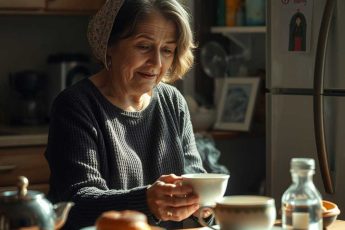
That evening he carries a pack of tea, sent by his son, into the lounge. The box labeled for everyone sits beside a water jug, yet no one reaches for a cup. A familiar professional unease settles over him: he wants to intervene, but what power does a guard have?
During his night patrol of the third floor, Andrew hears a muffled sob. In a sitting room, under the glow of a flickering drama, Susan Harper, her ring set with a large emerald, wipes her eyes with a tissue. Should I call my daughter? he asks. No need, shes on holiday by the sea, she replies, turning back to the screen.
By morning a plan forms in his mind. He has organised family evenings with a field kitchen at the garrison; why not try the same here? At eight oclock flat, he reports to Tom: We should hold a Family Daysongs, tea, a photo booth. Tom has no objections and points him toward the director.
Director Laura Bennett taps her pen against the glass tabletop as Andrew stands at attention. Budget? she asks. Ill negotiate with suppliers; the local school band can play for free. Ill handle the access control. He speaks firmly, though his stomach still trembles.
Permission granted, he prints invitations within the hour. Leaflets reading Sunday, 31 March Family Day appear on the reception desk. He then phones through the contact list: autoanswer machines, faxes, silence. The first live voice belongs to Margarets granddaughter. If you really pull this off, well be there, she says. The mission is accepted.
Sunday arrives. Early light filters through the semitransparent curtains of the lounge, reflecting off the polished floor tiles. In the corners, pots of hyacinths release a light spring perfume that mixes with the scent of fresh bakery goods from the kitchen.
Andrew surveys the hall. Chairs form a semicircle, a small stage and portable speaker sit at the centre. Tea steams from the trays, and pastries donated by a local patisserie lie nearby. He takes a deep breath: now everything hinges on the guests.
Relatives begin to arrive by midday. First comes Margarets granddaughter with her younger brother, bearing old photographs and a large chocolate cake. Margaret smiles as if delivering her first lecture to fresh undergraduates.
Next walks in Colonel Clarkes son. The colonel straightens his jacket, assuming the posture of a marching officer. They embrace, and conversation flows easily, shedding the usual tension.
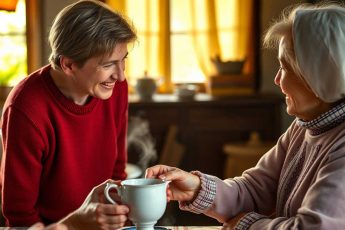
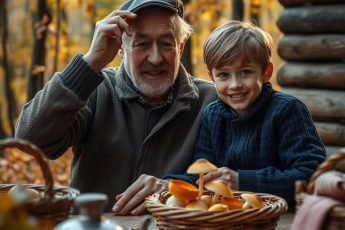
With each new family the atmosphere thaws like March ice. Grandmothers argue over jam recipes, grandfathers boast about old service photographs. Those who arrived alone join the communal tabletea poured, pastries offeredas Andrew subtly nudges people closer together.
By evening, as the sun paints shadows across the garden, Andrew looks around the hall. Not everyone turned up, but enough have gathered for the spirit of community to revive. The hum of voices turns into a warm buzz of exchanged phone numbers and plans to drop by in May.
Laughter still ripples between the tables when he spots Susan Harper. Beside her sits her younger sister, who arrived on an early flight. The women hold hands, leafing through an old photo album, the emerald on Susans ring no longer trembling.
The shift draws to a close. Andrew helps the nurses clear dishes, wheels a chair to the lift, and logs the guests names in the register. Inside, a simple, sturdy confidence grows: a happy life does not need much. Just a bit of perseverance and respect.
At the entrance he pauses for a minute. In the modest garden, rose buds push through the gravel, still finding their way to the light. He smiles, feeling for the first time that his new post is exactly where he is needed right now.