**The Price of Agreement**
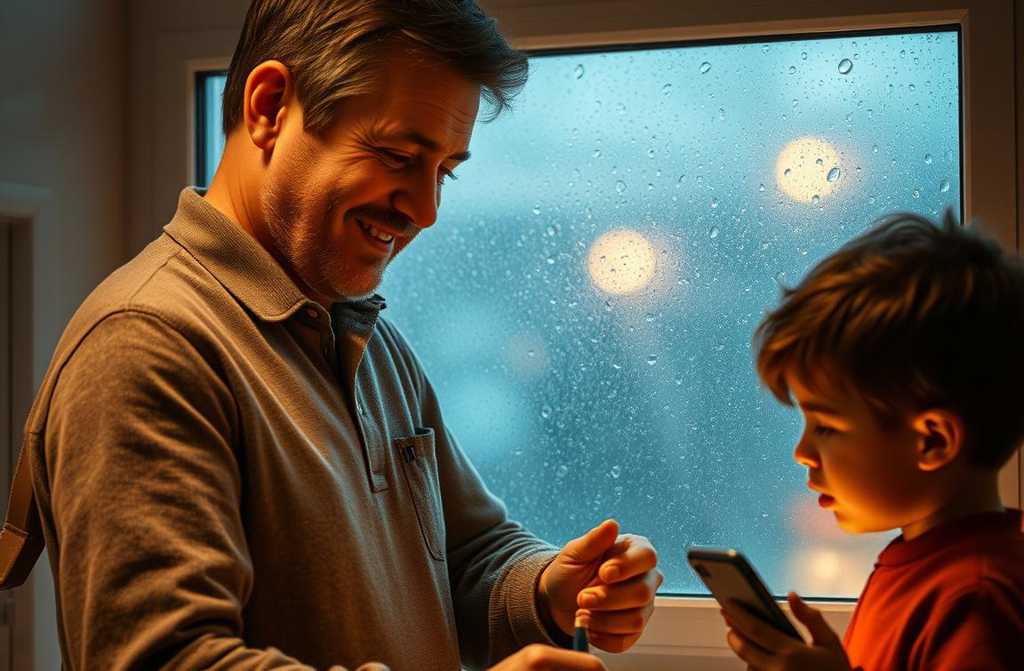
The weekday evening began with its usual bustleparents returning from work, children back from after-school club, and the school group chat already flashing on phone screens. The soft glow of the kitchen light reflected in the window, where the last remnants of twilight faded. On the windowsill, next to the radiator, lay the damp gloves of my son, tossed aside hastily. Water stains spread across the worn plastic, a reminder that spring in the Midlands was reluctant to arrive.
The chat, usually reserved for quick reminders and homework links, suddenly lit up with a bold, carefully worded message from Emily Johnsonthe class rep. She wrote without pleasantries: *»Dear parents, due to urgent improvements needed in the classroomnew curtains, whiteboards, decorations for the upcoming celebrationwe REQUIRE a contribution of £70 per child by tomorrow evening. All for our children! Non-negotiable.»* The smiley at the end felt more perfunctory than cheerful.
Normally, such messages were met with a quick *»+»* and an unspoken wave of agreement. But this time, the parents reacted differently. The chat fell silent. Someone finally typed, *»Why so much?»* Another reminded everyone of the autumn fundraiser, where a smaller sum had sufficed. A few forwarded the message privately, hesitant to speak up. Meanwhile, outside, wet footsteps squelched as children trudged home, leaving muddy streaks in the hallway. Between the silence, a complaint slipped in: *»The schoolyards a bogmight as well wear wellies till June.»*
The chat stirred. One mother, exhausted but never one to stay quiet, typed, *»Can we see last years report? Where did the money go?»* Her message quickly gathered likes, and soon, replies followed. Emily responded politely but firmly: *»Every penny was spent properly. We all want the best for our children. No point revisiting the past. The deadlines tightIve already ordered supplies. Payments due tomorrow.»*
My phone lay on the kitchen table between a cereal box and a half-drunk cup of tea. I glanced at the screen, irritation simmering. The amount felt steep, the tone too absolute. In the next room, my son chattered about painting raindrops on the windows during after-school club to «brighten up the classroom for spring.» I half-listened as the chat notifications buzzed insistently.
Gradually, more voices chimed in. One mother wrote, *»Were happy to contribute, but cant we discuss the amount? Maybe a minimum?»* Another agreed: *»Weve got two kids at the school£140 isnt trivial. Lets at least talk it through.»* The class reps grew defensive. *»The amount was agreed at the last meeting,»* Emily insisted. *»If anyone cant pay, message me privately. Lets not make a scene. Other classes pay more.»*
The chat split. Some backed the initiative*»Its for the kids, no debate needed.»* Others demanded transparency: *»Contributions should be voluntary!»* I decided to speak up: *»All spending should be open. Can we see last years breakdown? And why not a fund where everyone gives what they can?»* My message was nearly lost in the flurry, but soon, it had the most likes of the evening.
Things escalated quickly. Reps posted scattered receiptsincomplete, unconvincing. Someone noted, *»Wheres the breakdown for last years Christmas decorations? We already paid for those.»* The reply was terse: *»Dont nitpick. Everythings transparent. Im volunteering my time for the kids.»* Tensions rose. A photo appearedkids splashing in the muddy schoolyard. *»Maybe spend on doormats first?»* someone quipped.
Then, a mum named Claire proposed a solution: *»Lets votewhos for voluntary contributions and open accounts? Ill manage a spreadsheet. Heres last years spending.»* She attached a snapshotrows of expenses, leftover funds. Parents saw the numbers for the first time. The debate shiftednow it wasnt just about the amount, but the right to demand fixed payments.
Messages flew: *»Not everyones in the same boat. No pressure.»* *»Payments should be optional!»* *»Id rather help with time than cash.»* The reps tried steering back: *»Times running out. Orders are placed. If you dont pay, the kids lose out.»* But the majority held firm: *»Transparency first. If its mandatory, Im out.»*
The tipping point came when Claire posted a full breakdown and called for a vote: *»Parents, lets decide properly. Whos for voluntary contributions and open records? Were here for the kids, but also for fairness.»* The chat went silent. Some forwarded the message; others rang friends in the PTA. No one could pretend this was business as usual.
After Claires proposal, an awkward pause followed. Even the emojis frozeno one rushed to vote, as if the decision would unravel the classs entire order. I watched as a few *»for»* ticks appeared beside mine, but then came the anxious reply: *»What if we dont raise enough?»*
Emily jumped in, firmer than ever: *»Colleagues, deadlines are deadlines. Decorations are ordered, some items bought with my own money. If you dont pay, Ill have to return things or cover the gap myself. Who wants to proceed as planned?»* A few timid *»+»* replies came, but most stayed quiet. A dad suggested a compromise: *»Set a minimum for essentialscurtains, whiteboards, doormats. The rest is optional, with full transparency.»* Others agreed, sharing budget-friendly links or offering hands-on help.
Finally, Claire posted: *»Lets vote: minimum £15, then whatever you can give. All spending will be public. Agreed?»* For once, the chat unitednearly everyone approved. Even Emily conceded: *»Fine. As long as the children benefit.»* Her tone was weary, but the edge was gone.
Within minutes, theyd settled on a systema core fund, two volunteers for accounts, and monthly updates. Someone shared a photo of their son building the first slushy snowman of springa wry symbol of hope in the April muck.
For the first time that evening, I felt relief, not frustration. I typed, *»Thanks for the constructive talk. This feels fair.»* Others echoed it: *»About time,»* *»Cheers to Claire for speaking up.»* A joke even landed: *»Next fundraiserfor the PTAs stress relief!»* The chat finally laughed.
A pinned message listed the new rules: a transparent spreadsheet, essential purchases, and an optional contributions poll. Claire signed off: *»Any questions, just ask. All open now.»* The chat drifted back to routinepick-up times, cheap wellies, when the heating would switch off.
I muted my phone and listened to my wife reading a bedtime story. Outside, darkness settled completely, and the puddles from my sons gloves still seeped into the sill. The resolution had come easier than expectedbut not without effort.
As the chat buzzed about bank holidays and wellie-clad kids, I realised this wouldnt be the last showdown. But now, there were rules. Not perfectjust honest.
Emilys final message held no emojis: *»Thank you. Ill delegate some accounting tasks.»* Her tone hinted at truce. No one argued. The chat fell silent without winners or bitterness. Everyone moved on.
In the hallway, my son fussed with his backpack, murmuring about window paintings. I smiled. The price of transparency? Time and patience. But sometimes, its worth paying.