I shoved the folder aside, refusing to sign. The plate Id set down for dinner slammed into the bin, the sharp clang of porcelain against plastic making me jump.
Even the dog wont touch your meatballs, laughed my husband, pointing at our spaniel, which had turned its nose up at the offered bite.
David brushed his hands on the pricey kitchen towel Id bought to match the new furniture. He was always fixated on the details that polished his image.
Poppy, I told youno homecooked food when Im expecting guests. Its uncouth. It smells like poverty, he said, the word spilling from his mouth with a repulsive, sour aftertaste.
I stared at himat his impeccably pressed shirt, his expensive watch that never left his wrist, even at home. For the first time in years I felt neither hurt nor the urge to justify myself. Only a cold, crystalline chill.
Theyll be here in an hour, he continued, oblivious to my shock. Order steaks from The Savoy Grill, the seafood salad, and get yourself ready. Put on that blue dress.
He shot me a quick, evaluating glance.
And tidy your hair. That haircut cheapens you.
I nodded mechanically, a simple upanddown bob of my head. While he barked orders over the phone to his assistant, I gathered the broken shards of the plate. Each fragment was as sharp as his words. I didnt arguewhats the point? Every attempt I made to be better for him ended the same way: humiliation.
He mocked my sommelier courses, calling them a club for bored housewives. My attempts at home décor were dismissed as bad taste. My meals, poured with not just effort but the last of my hope for warmth, were tossed into the rubbish.
Fine, pick a decent wine, David said into the handset. Just not the one Poppy tried in her class. Something normal.
I rose from the floor, flung the shards away, and stared at my reflection in the dark oven glassa tired woman with a dimmed gaze, a woman who had spent too long trying to be a decorative detail of the interior.
I slipped into the bedroom, not for the blue dress but for a travel bag Id hidden in the wardrobe. Two hours later David called while I was already settled into a cheap hotel on the outskirts of London. Id deliberately avoided my friends so he couldnt track me down immediately.
Where are you? his voice was calm, but beneath that calm lay a threat, like a surgeon eyeing a tumour before the incision. The guests have arrived and the hostess is missing. How uncouth.
I wont be coming, David.
What do you mean wont be coming? Upset over the meatballs, Poppy? Dont act like a child. Come back.
He didnt ask; he ordered, convinced his word was law.
Im filing for divorce.
A pause crackled over the line, soft music playing in the background and glasses clinking. His evening went on.
Fine, he finally said with a frosty, mocking chuckle. You want to show some character? Go on, play the independence game. Lets see how many days you can lastthree?
He hung up. He didnt believe I could be anything but a broken object temporarily out of order.
A week later we met in his office conference room. He sat at the head of a long table, flanked by a slick solicitor with the grin of a cardsharp. Id come alone, on purpose.
Had a good stroll? David smirked, his trademark superiority shining. Im ready to forgive youif you apologise for this circus.
Silently I placed the divorce papers on the desk.
His smile vanished. He nodded to his lawyer.
My client, the solicitor said in a gentle tone, is prepared to accommodate your situation, given your, lets say, unstable emotional state and lack of income.
He slid a folder toward me.
David will leave you the car and will pay maintenance for six months. The sum is generous, trust me, enough to rent modest accommodation and find work.
I opened the folder. The amount was laughably lowmore dust than money.
The flat stays with David, the solicitor continued. It was purchased before marriage.
The business was his too. There was essentially nothing jointly earned; Id never worked outside the home.
I ran the household, I said quietly but firmly. I created the cosy space he returned to, organised his meetings that sealed deals.
David sneered.
Cozy? Meetings? Dont joke, Poppy. Any housewife could have done that cheaper. You were just a pretty accessory, and lately youve been a heavy one.
He tried to strike me down. He succeeded, but not in the way he expected. Instead of tears, fury burned inside me.
I wont sign, I said, pushing the folder away.
You dont get it, David leaned forward, his eyes narrowing. This isnt a proposal. Its an ultimatum. Take it and leave quietly, or get nothing. My lawyers are the best. Theyll prove you lived off my money like a parasite.
He tasted the word.
Youre nothing without mea void. You cant even fry a decent meatball. How could you ever be a courtroom opponent?
I met his gaze, and for the first time in ages I saw him not as a husband but as a frightened, selfabsorbed boy terrified of losing control.
Well meet in court, David. And I wont be alone.
I walked toward the exit, feeling his hateful stare burning my back. The doors shut behind me, sealing off the past. I knew he wouldnt let it go. Hed try to ruin me. For the first time, I was ready.
The trial was swift and degrading. Davids lawyers painted me as a childish dependent who, after a failed dinner, sought revenge. My solicitora seasoned, composed womanpresented receipts, invoices, cleaning bills for Davids suits before important meetings, tickets for events where he forged contacts, all paid by me.
Those papers werent about proving my contribution to his business; they proved one thing: I was not a freerider. I was an unpaid employee.
In the end the judge awarded me a little more than Davids initial offer, far less than I deserved, but the money mattered little. What mattered was that I refused to be demeaned.
The first months after the divorce were the hardest. I rented a tiny studio on the top floor of an ageing block in East London, scraping by on the barest allowance. Yet for the first time in a decade I slept without fearing a fresh humiliation upon waking.
An idea sparked one night while I was cooking for myself. I remembered his jabIt smells of poverty. I wondered: could poverty ever smell luxurious?
I began experimenting, turning humble ingredients into refined dishes. Those same meatballs became a trio of mixed meats with a forestberry sauce. I created restaurantquality meals that could be ready in twenty minutes at home.
I launched Poppys Supper Club on a modest socialmedia page. Orders were few at first, then wordofmouth took hold.
The turning point came when Laura, the wife of one of Davids former partners, messaged me. Shed been at that disastrous dinner. Poppy, I remember how David humiliated you. May I try those legendary meatballs? She not only tasted them but wrote a glowing review on her popular blog, and orders started pouring in.
Six months later I had a small workshop and two assistants. My homegourmet concept became a trend. A major supermarket chain approached me for a premium line. I pitched the lifestyle, the taste, the time saved for busy professionals, and quoted a price that left them breathless. They signed without negotiation.
Around the same time I heard from mutual acquaintances that Davids overconfidence had been his downfall. He had poured all his savingsand creditinto a risky overseas construction project, certain of a huge profit. The partners who once ordered his steaks walked away after the divorce scandal, and the whole financial structure collapsed, burying him under rubble.
He sold the business to cover urgent debts, then the car, and finally the flat hed called his fortress. He was left homeless, swamped in debt.
One clause in my contract with the supermarket required a charitable program. I chose a city soup kitchen for the homeless, not for publicity but because it mattered to me.
One day I turned up in plain clothes, joining volunteers handing out food. The smell of boiled cabbage and cheap bread filled the air, tired, indifferent faces lined the queue. I mechanically plated buckwheat and stew, then froze.
In the line stood David, gaunt, unshaven, wearing a jacket far too big for him, eyes fixed on the floor, trying not to meet anyones gaze. He feared recognition.
The line moved forward. He stood before me, extending a plastic tray without looking up.
Good afternoon, I said softly.
He flinched. Slowly, as if by sheer will, he lifted his head. Shock, horror, and then a crushing, boundless shame filled his eyes.
He opened his mouth to speak, but no word came.
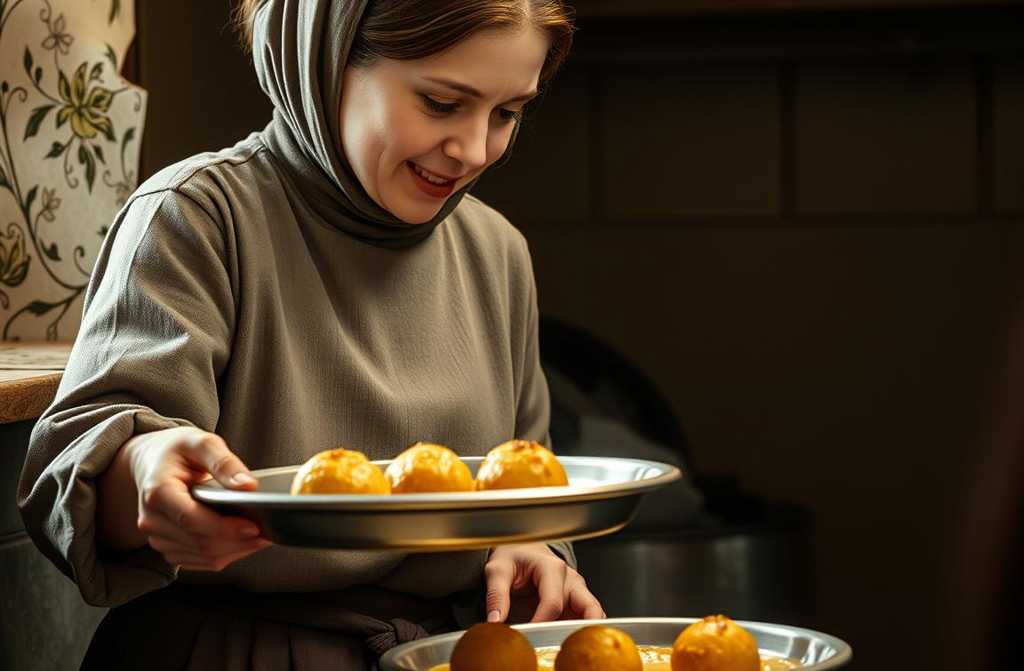
I took a spoon and placed two large, golden meatballsthe very ones that had once been tossed into the bininto his tray. My signature recipe, made especially for the kitchen, so that anyone who had lost everything could feel human for at least one meal.
He stared between me and the food, at the meatballs that had once been his joke. I said nothing, offered no rebuke, no hint of vengeance. I just watched him, calmly, almost dispassionately.
All the pain, all the resentment that had lived in me for years, burned away, leaving only cold ash.
He took the tray, hunched even more, and moved to a distant table.
I followed him with my eyes. There was no triumph, no joy of victoryonly emptiness, a complete closure.
In that quiet, cabbagescented soup kitchen I understood: the true winner isnt the one who never falls, but the one who finds the strength to rise again and, in doing so, feeds the very person who once trampled him in the mud.