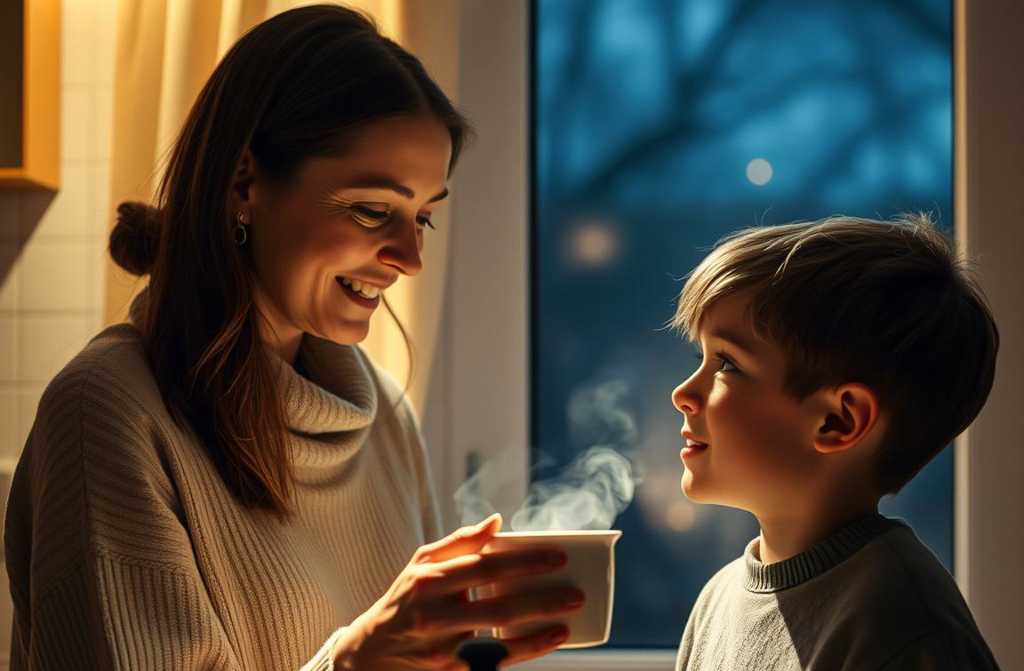
The hallway smelled of damp shoes and a jacket that still clung to moisture, hanging on the low hook where the sons coat would have been. His mother had left that spot empty. He slipped in almost silentlycompact, shortcropped hair, dark, crisp uniform. She saw his eyes had shifted, not hard but wary. She hurriedly smoothed the runner by the door and offered a tentative smile.
Come in everythings ready. Ive aired your room and put fresh linens on the bed, she said.
He gave a small nodhard to tell if it was gratitude or mere politeness. He set his suitcase against the wall, lingered in the doorway, eyes drifting over the faded diamondpatterned paper on the walls and the shelf of his childhood books. It seemed nothing had changed, except the air, now cooler after the heating had been switched off a week ago.
In the kitchen his mother laid out plates: his request for a hearty pea and ham stew, and new potatoes with parsley from the market. She tried to keep her voice steady.
You could have called earlier I was waiting at the station for you.
He shrugged. I thought Id make my own way.
A heavy pause stretched, broken only by the clink of a spoon against a bowl. He ate slowly, almost wordlessly, offering brief answers about the road, about his unitthe sergeant was a decent bloke. She caught herself looking for a chance to ask about his future but held back, unwilling to speak directly of work or plans.
After dinner she moved about the kitchen, the familiar motions of her hands a comfort louder than any conversation could be. He retreated to his room, the door halfclosed; from the hallway only the back of a chair and the edge of his suitcase were visible.
Later, he stepped out for a glass of water and paused at the livingroom window. A gentle draught from the slightly ajar casement reminded him that summer was beginning: the sun lingered low, casting a soft glow over the sill where a few potted herbs stood.
The next morning his mother rose before him, listening to his shallow breathing through the thin bedroom wall and moving as quietly as possible with the dishes. The flat felt tighter now: his belongings reclaimed the hall and bathroom, a toothbrush beside her chipped tea mug looked oddly conspicuous.
He spent most of the day at the computer or scrolling his phone, emerging only for breakfast or lunch. She tried to spark small talk about the weather or the neighbours; his replies were clipped, and he would retreat after a few words.
One afternoon she brought home fresh parsley and spring onions.
Lookyour favourite herbs, she said.
He glanced, distracted. Thanks later?
The greens wilted quickly on the table; the flat grew warmer as the evening slipped in, and she dreaded opening windows for too longhed hated drafts since childhood.
Evening meals became a study in awkward pauses, each silence stretching longer than the last. He rarely praised the food, often leaving his plate untouched or asking to save it for breakfasthis appetite gone. Occasionally he forgot to clear his cup or left the bread tin open after a midnight snack.
She noticed these details; he had always cleared his space without prompting. Now she felt uneasy correcting a grown man, so she simply wiped the crumbs herself.
Small domestic mishaps multiplied unnoticed: a towel vanished from the bathroomhe had taken it to his room; the key to the postbox lay somewhere else, prompting a frantic search through bags and bills.
One morning she opened the empty bread tin.
We need to buy some bread, she said.
A muffled grumble rose from his room. Fine
She planned to shop after work, but a long queue at the chemist delayed her, and she returned home exhausted just as dusk fell.
He stood by the fridge, phone in hand. She automatically opened the tinnothing inside. She sighed wearily.
You said youd get bread?
He spun around, voice louder than usual. I forgot! Ive got my own things to do!
Her irritation burst through the fatigue. Of course you always forget everything!
Words rose, voices sharpened. The cramped kitchen seemed to press in, each of them fighting to be heard, yet underneath lay something else: exhaustion, a fear of losing the closeness that had once felt so simple.
Silence fell after the argument, the only light a dim desk lamp casting a long shadow over the bare tin. She lay awake, listening to the occasional click of a switch, the low hum of water in the bathroom. He moved cautiously, as if afraid to disturb the walls that now felt both familiar and alien.
She recalled their talks before his servicehow easy it had been to ask, to scold for a missed trash day or a late dinner. Now every word felt like a gamble, each one fearing to upset the fragile balance. Behind their clash lay tiredness: hers after a long shift, his after weeks of confinement inside four walls.
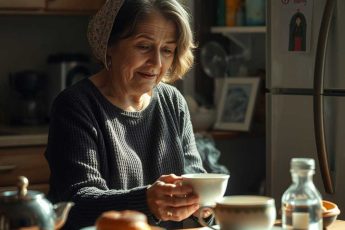
It was nearly two oclock when she heard light footsteps in the corridor. The kitchen door creaked; he poured water from a carafe. She lifted herself onto an elbow, hesitating between staying in bed and getting up. Finally she slipped into a robe, barefoot on the cool floor.
The kitchen still carried the scent of a damp clothshed wiped the countertops the night before. He stood by the window, back to the door, shoulders slightly slumped, a glass clenched in his hand.
Cant sleep? she whispered.
He flinched just enough to look, then turned slowly.
Neither can I
A heavy hush settled between them, broken only by a single drop sliding down the carafes glass.
Sorry about tonight I raised my voice for nothing, she said. Youre tired I am too.
He met her gaze, voice hoarse from disuse. Im to blame everything just feels strange now.
He didnt meet her eyes directly, but the honesty in his tone softened the tension. She pulled a box of tea toward hima small, automatic gesture that soothed.
Youre an adult now, she said gently. I need to learn to let you go a bit Im scared Ill miss something or do it wrong.
He studied her. I dont get it yet, how to be here back then it was: they saiddo. At home its different. It feels like the rules have changed without me.
A faint smile tugged at her lips. Were both learning to live together again maybe we should make some agreements?
He shrugged. We can try.
Relief warmed her chest at his willingness. They decided aloud who would handle groceries (hed buy bread every other day), who would clear the dishes after dinner, and that each would have a quiet evening to themselves without the endless where are you going? questions. Both understood it was only the first step, but saying it plainly felt like a truce.
She asked about his plans. You were thinking of looking for work? You still have your discharge papers?
He nodded. Yes. I got my discharge certificate straight after leaving the service; its tucked in my bag with my ID I just dont know where to start.
She mentioned the local Jobcentre, the free advice and programmes for veterans. He looked wary. Do you think I should go?
She shook her head. Why not? If you want, I can go with you in the morning, keep you company, help with the paperwork.
He thought a moment, then said, Lets try together first.
The kitchen grew a little warmerperhaps because the overhead light had been switched off, leaving only the soft glow of the lamp, perhaps because for the first time in days they spoke calmly and openly. Outside, the streetlights of neighboring houses flickered in the night; somewhere nearby, latespring sounds of cicadas and distant laughter floated on the air.
When the conversation wound down, they cleared the cups together, wiping the counter with a damp cloth. Morning broke through heavy curtains, bathing the flat in pale light as the city stirred slowly. Childrens voices drifted from the courtyard, birds trilled from the open kitchen windownow the air felt safe to let in.
She turned on the kettle and pulled out a packet of oat biscuits for breakfast, a substitute for the missing loaf. On the table lay his papers: a redbound service record, his discharge certificate, and his passport. She stared at them calmly; they marked the start of a new chapter for him, right here, right now.
He emerged from his room, still halfasleep but no longer distant, sat opposite her and gave a brief smile. Thanks, he said.
She replied simply, Shall we go together today?
He nodded, and that yes sounded to her louder than any promise shed ever heard.