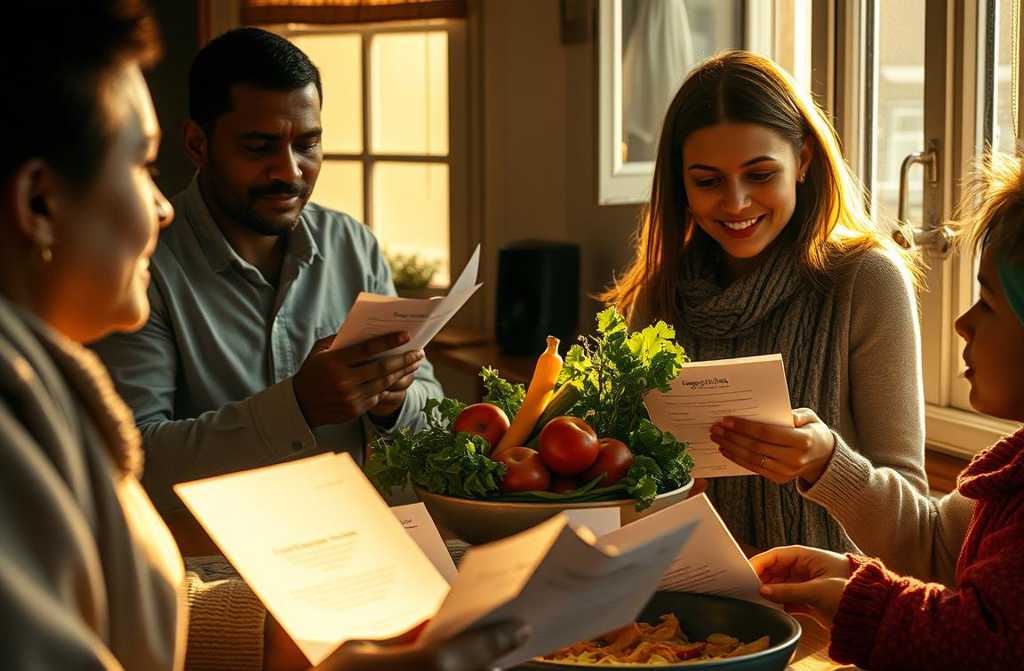
The heat of summer clung to the town even as the sun dipped behind the rows of terraced houses, the air finally easing a little. Windows were thrown wide open, a bowl of sliced tomatoes and cucumbers sitting on the sillbringing a bit of that market-fresh coolness indoors. Outside, voices carried: an argument near the front steps, kids kicking a football across the tarmac, muffled laughter drifting from the flat next door.
Margaret Dawsona mechanical engineer with twenty years under her beltsat at the kitchen table, staring at her old mobile. Since morning, the local chat groups had buzzed with just one question: whats happening to the factory? Rumours swirledsome whispered about layoffs, others about a potential sale. But today, the unease felt sharper. Her husband, David, quietly sliced bread at the counter. Hed never been much of a talker, especially when it came to work.
«You think theyll really shut it down?» Margaret kept her voice steady, but it wobbled all the same.
David shrugged. Hed never been one to sugarcoat things, even for comfort.
«If they werent planning to, theyd have said so by now. Late paychecks dont happen for no reason»
She caught herself counting the days between pay slips. Just a month ago, theyd been discussing redoing the bathroom. Now, the house hummed with worry: would there be enough for groceries? How to cover the utilities?
That evening, the kids came hometheir eldest, Emily, back from her shift at the pharmacy, and their son, Oliver, fresh from uni in Manchester where hed been studying logistics. Hed brought groceries and a folder full of papers.
«The job centre says if the factory closes, theyll run retraining courseslogistics, warehouse work. Theyre already making lists.»
Margaret bristled at the way he said «for people like us.» As if they were all being lumped together, expected to start over.
The kitchen grew crampedeveryone talking over each other. Emily complained about rising medicine prices, Oliver mentioned a new warehouse hiring stock clerks. Then the telly flickered to life with the local news jingle. Everyone fell silent. The council leader appeared on screen:
«The factory will suspend operations. Plans are underway to convert the site into a distribution hub»
The rest blurred into a dull roar in Margarets ears. She just saw her familys facesDavids lips pressed thin, Emily turning toward the window, Oliver frozen with the folder on his lap.
Downstairs, a door slammednews travelled faster than announcements.
That night, Margaret tossed and turned. She remembered her first shift at the factoryhow nervous shed been at the machines, how proud shed been of her «Employee of the Month» badge. Now it felt like someone elses life. At dawn, she dug out her engineering diploma, her CV, and headed to the job centre. Outside, the June heat was already stifling; the air smelled of cut grass and tarmac.
The queue was full of familiar facesthe old floor manager, Thompson, the accountant from next door. Everyone joked about «fresh starts,» but their eyes were all tired in the same way.
«Theyre offering logistics training, warehouse ops even coding courses if youre keen,» Thompson said loudly, like he was convincing himself too.
Margaret signed up for logistics. Not because she fancied itbut because sitting at home doing nothing was scarier than retraining.
David came back that evening with a flyer: «Pipeline construction workup north.» The pay was nearly double the factory wage. But two weeks home, four weeks away.
Dinner turned into a row quicker than expected.
«Im taking it! Theres nothing here!» David raised his voice for the first time in years.
«We could try this together! The hubs hiringOliver says they need people!» Margaret fought to stay calm.
«Projects come and go. We need cash *now*!»
The kids exchanged glancesEmily backed her mum, Oliver pitched the hubs potential. The family split right there at the table.
Late that night, the windows stayed open; the smell of fried onions drifted from nearby flats, teens laughed outside. Margaret sat by the balcony, phone in handbut David had gone for a walk alone.
The argument hung between them like a wall: David dead set on going north, Margaret seriously considering staying for the hub. Neither would back down without a fight.
Three days later, David left for his first shift. The night before, hed packed in silence, glancing at the balcony where Margaret stood watching the street. Oliver helped fold his dads work boots and thick coatodd in the summer heat. Emily joked weakly about «new beginnings,» her voice strained. On the table lay printoutstrain times, the hubs offer, job centre forms.
At dawn, Margaret walked him to the bus. The square was packedsome heading north, others seeing family off. David hugged her tight, awkward as ever. His eyes were weary but determined.
«Look after yourselves. Dont go quiet on me,» was all he said.
The bus pulled away. Margaret watched until it vanished round the corner. Walking back, the pavement hot underfoot, she felt the hollownesseach of them now living in separate timelines.
The house was quietkids out, Margaret rereading her retraining papers. The class was a mixformer machinists, shop assistants, even a lab tech from the factory. The instructor ran through digital invoicing; some scribbled notes, others pecked at council-issued tablets.
At first, it all felt alienwarehouse jargon jumbled in her head, the pace too fast for factory rhythms. But within a week, her hands steadied on the keyboard; she even helped the woman beside her navigate the stock system.
Evenings were family timenow without David. Oliver brought hub updates: council funding secured, small orders trickling in. Emily took side gigsfiling invoices for chemists and corner shops.
Windows stayed open latethe warm air carrying barbecue smells, neighbours debating town gossip on benches. Margaret listened: some grumbled about «the good old days,» others plotted grocery deliveries or repair shops.
Two weeks in, a text came from Davida shaky video from his digs up north: low sun over moors, cranes behind a chain-link fence.
«All right here. Hard graft, but decent lads.»
Later, a crackling callwind and generator noise cutting his words.
«Maybe after this stint, Ill try for something local. If your hubs holding up»
Margaret heard the new roughness in his voicenorthern slang creeping inand realised: the ache was giving way to cautious hope.
The hubs start was rockywrong paperwork delaying shipments, a van sent miles off course by a typo. But the town pulled together: ex-colleagues shared tips, swapped meals after shifts.
One evening, Oliver suggested a street meetingto explain the hubs work to neighbours. Margaret balkedpublic speaking wasnt her forte. But Emily backed him; they drafted talking points, invited a few from their block.
More turned up than expectedwomen with thermoses of tea, homemade cakes, kids weaving between benches as adults debated the towns future.
Margaret spoke plainlyno promises of easy money, just the fear shed felt a month ago, the relief of mastering that first stock program.
«Stick together. Its all newbut weve got a shot at making this place different.»
After, ideas flew: bulk buying for shops, medicine runs for elderly, even a summer street party.
A month later, David returnedleaner, weary, but listening closely as they talked hubs and small wins. That night, over tea, the tension was gonejust jokes about Emilys first warehouse blunders.
David mused about giving the hub a go himself before heading north again:
«Could help with kit. Worst case, Ive still got the pipeline.»
The kids cheered; Margaret exhaled. Their choices werent war anymorejust steps forward, together.
Next day, the street prepped for the partypaper bunting strung between trees, trestle tables laid out, kids lugging watering cans for new saplings along the path.
As dusk fell, the town felt changedsunlight streaking faces, laughter ringing from gate to pavement, kids darting barefoot across grass under grans watchful eyes.
Margaret noticed: fewer chats about the factory, more about delivery routes, bike repair shops, pooled orders for the hub.
Later, by their open window, the family listened to the hum of the eveningstreetlights glowing, voices below still laughing.
They knew the road ahead wasnt mapped. But the fear had shiftedinto something quieter, steadier. Just tomorrow, waiting to be mettogether.