**Martha**
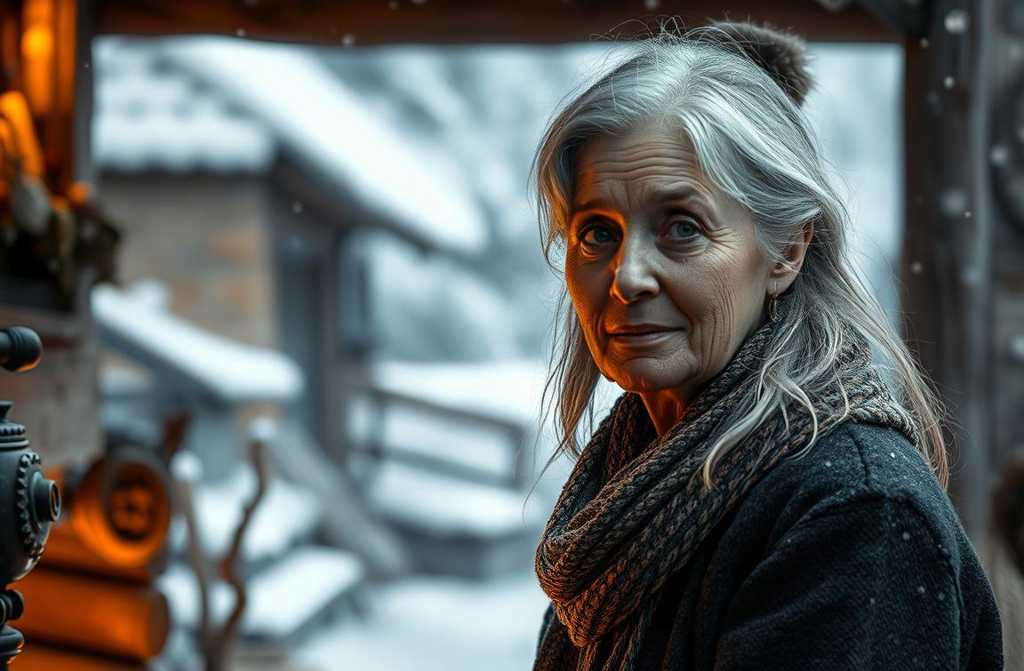
Folks in the village said shed lost her marbles in her old age. Most avoided her cottage, calling her a «witch,» but the way she shut up the gossips is still talked about today.
At first glance, Martha was just an ordinary country womanwell into her years and a bit odd. She helped those in need, even though she scraped by on a measly pension, and took in lost travellers. The wealthier villagersand the village was prosperousrarely let strangers past their doorsteps. They might hand out a mug of well water, but offer a bed for the night? Never.
Martha was different. Shed feed any wanderer, serve them simple home-cooked food, and let them stay if night fell. Folks called her strange for itletting strangers in when she had a granddaughter of marriageable age. Some even threatened her:
*»Keep this up, and well have your little Annie taken away. Well call social services, and theyll drag her off to an orphanage.»*
But that was years ago. Once Annie turned eighteen, the busybodies backed off. Still, Martha held a grudgeher Annie was her treasure, her only family, the one whod care for her in her old age.
Annie was all she had left. Martha had lost everyoneher husband died young at 42 from a heart attack. Shed raised their daughter, Lily, alone. Lily was sweet, married well, moved to the city, and had Annie. Then tragedy struck.
Lilys husband was a geologist, always away on expeditions, sometimes gone for half a year. One trip, he never came backvanished without a trace. Search teams went out, and one rescuer disappeared too. Thats what they told Lily, at least.
Lily grieved hardher little girl left fatherless. Martha held her up:
*»I raised you after your dad died. Youll raise Annie, same as I did. Ill help.»*
At first, Lily seemed to accept it. But she was only pretendingdidnt want to worry her mother. Then, two years later, the unthinkable happened.
Lily started drinkingfirst occasionally, then every day.
*»Whats the point of living without my Andrew?»* shed sob. *»Ill never see happiness again.»*
Martha tried everything. Nothing worked. Lilys life was tied to the bottle now. No surprise she died too young. Everyone judged her, but some fates cant be fought.
Martha took in her orphaned 15-year-old granddaughter. Annie hated leaving the city but had no choice.
*»We cant live in town on my pension,»* Martha reasoned. *»Here weve got the garden, the chickens.»*
Shed often say:
*»Your lifes gonna be different, love. Just wait. When youre older, Ill find you the perfect husband!»*
*»Where, Nan? In this backwater? The only new faces we see are lost hikers.»*
*»Dont you worry, pet. Nan knows best. Let the gossipers talkyou just ignore em.»*
So they livedtwo women in a tiny cottage on the village outskirts. Martha kept house; Annie went to the village school, helped after class.
Schoolmates mocked herthey all knew about her mothers end. Neighbours whispered:
*»Her mum was no goodwhatll become of the girl? Nothing decent.»*
Martha burned hearing it. No fault of hers her husband died young, or that her daughter lost hers. But she sworeAnnies future would be bright.
She ignored the neighbours. They hated thatnothing bothered her; gossip meant nothing.
Yet they still snapped when she sheltered travellers. Rumours flew*»Shes scouting husbands for Annie! No local ladll take her with that past!»*
*»Who needs your village boys?»* Martha shot back. *»Annies meant for better.»*
*»Well see,»* theyd sneer, calling her «witch» under their breath.
Time passed. The villages interest fadedfewer cruel words. Peace, it seemed. But it was the calm before the storm that changed everything.
One winter evening, as the village sank into darkness, an engine sputtered outside. Mens voices cursed the weather, the roads, their rotten luck.
A burly neighbour stomped out, annoyed:
*»Whats all this racket? Folks are trying to sleep!»*
*»Sleep? Its barely eight!»*
*»Who the devil are you? Townies, by the look of it. What brings you to this godforsaken place?»*
*»Were hunters. Got lost on a winter trip. Car conked out. Any chance you could help?»*
*»Help? What if youre not who you say? We dont take kindly to strangersgot two daughters meself. And no, I cant fix cars. Sort yourselves out.»*
The hunters exchanged glances. *»Fair enough. But where can we stay?»*
*»No hotels here, mate. Not the city.»* The man turned to leave, then sighed.
*»Only one placed take you. Old Marthas cottage. Shes a bit touched, mind, but shell let anyone in.»*
He jerked a thumb toward the village edge, adding bitterly:
*»Got a pretty lass living with her, too. Might liven your stay.»*
With that, he slammed his gate. The last light winked out, leaving the hunters in pitch black.
No choice. They trudged toward Marthas.
Her door creaked open before they knocked.
*»Come in, lads! Tea? Warm yourselves!»*
They gaped at her kindness.
*»Were hunters,»* one stammered. *»Im Oliver. This is my mate, Tom.»*
Tom flushed like a schoolboy.
*»No need to fear an old woman,»* Martha chuckled. *»Youll be safe here. Suppers coming.»*
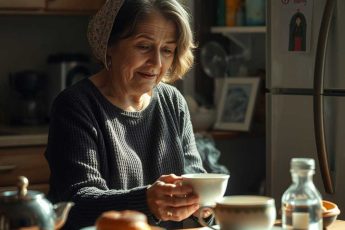
As she bustled off, they studied the «witchs lair.» A faded icon hung in a corner, draped with embroidered linen. Photos on the silllikely Lily and her husband. And a girl with sad eyes. The granddaughter?
Martha returned with boiled potatoes, pickles, fresh bread.
*»Just like Nan used to make!»* Tom blurted.
*»Eat up! Ill brew dandelion jam teaspecialty of ours.»*
*»Dandelions?»* Oliver blinked. *»Never heard of that.»*
*»My nan made it!»* Tom beamed, endearing himself to Martha.
*»Our meadows golden in May. The jams pure honey.»*
They ate, soaking in the warmthso unlike the villages cold welcome. Martha barely pried, just watched Tom fondly as he praised her cooking.
Thena weak voice from another room:
*»Nan water»*
*»Annie?»* Tom guessed. *»She ill?»*
*»Fever. Chopped wood yesterdayreckless girl. No meds here, and Im too old to fetch any.»*
Tom dug into his pack. *»Herefever reducer. Give this to her.»*
Martha took it, murmuring, *»Shes all Ive got.»*
Later, as they bedded down, Oliver whispered:
*»Whys she called a witch? Seems lovely.»*
*»Reminds me of my nan,»* Tom sighed. *»Gone seven years now.»*
Dozing off, they heard footsteps. Martha crept to their coats, took Toms jacket, and vanished.
Tom feigned sleep, puzzled. *»Whys she nicked my coat?»*
At dawn, he found itneatly stitched where a tear had been. Martha, half-blind, had fixed it perfectly.
Touched, he chopped wood, thinking of the girl in the photo.
Martha appeared, beaming: *»Bless you, lad! No mans done that here in years!»*
*»Old habit. Did this for my nan.»*
Her smile widened. *»Stay for Pancake Day!»*
Tom blushedinvited by near-strangers, yet it felt right.
Oliver refused. *»No way. Im leaving.»*
Their argument drew the neighbour back. *»Mechanics here for your car.»*
Oliver stayed, simmering. Tom followed the man, who hissed:
*»Youre loadedthat cars worth thousands. Why waste time on that mad crone and her brat? Fancy a village girl? Mines got two daughtersproper families.»*
Tom stiffened. *»Thanks, but Ill return for Pancake Day.»*
The man spat. *»Suit yourself. That paupers not worth it.»*
By breakfast, Annie appearedfever gone.
*»This is Oliver and Tom,»* Martha said. *»Staying for Pancake Day!»*
Annie smiled shyly. Over tea, Tom couldnt stop staring.
*»Nan, may I invite Annie to town?»* he asked later.
*»If she wishesonce shes well,»* Martha said, hiding a grin.
At dusk, they left. *»Ill be back in two days,»* Tom whispered to Annie.
She watched his car vanish, heart aching.
Pancake Day arrived. No Tom.
The neighbour gloated: *»Hes a restaurant tycoon! Whatd he want with you?»*
Annie fled inside. Martha shooed him offthen froze.
A car rounded the bend.
Tom stepped out, arms full of roses and treats.
*»Nan Martha,»* he said. *»Im smitten with your Annie. May I marry her?»*
*»If shell have you.»*
Annie flew to him. Martha hadnt seen her so happy since Lily died.
Villagers whispered for years*»That daft old witch enchanted a millionaire!»*
Especially the neighbour, whose daughters Tom never glanced at.