A small cottage village near a quiet town in the Yorkshire Dales. Our place is in the row closest to the riverbank. Next door are Val and Tamara, followed by Grannys cottage. Farther down, there are more houses, but they dont matter to us right now.
Val bought the plot seven years ago and started building straight away. They brought in machinery, workers, laid gravel, drove in piles, built foundationshouse, shed, summer kitchen, a proper well, the lot. From May to September, the noise never stopped. Val wasnt just ordering people abouthe was in there himself, tying rebar, hauling timber, mixing concrete. The locals are patient folk up north. They understood a man was settling in, making a home for good. Everyone, that is, except Granny. Every day, her shouting carried across the lane.
Morning. The bus from town rolls in. First off? Granny. Always first. Nobody ever called her anything else. Shed rush to her cottage in the same grey smock, black headscarf, and scuffed shoes, lugging a battered tote and a five-litre jug of water. We dont drink from the riverits slow-moving, prone to algae in summer. Most haul «drinking water» from town. Some have wells, but the water stinks of sulphur, no matter if its twenty metres deep or sixty. Good for gardening, though. Those by the river have pumps running pipes down to it. Only Val had a proper well and a pumping station.
But back to Granny. Shed storm onto her patch and start hollering. The tractors diesel fumes, the pounding of piles, the workers chatting too loud, Vals house being too tall and shading her strawberries (even though he kept to all the regulations)you get the idea. She could find fault in anything. And in that, she was an absolute pro. Val was every name under the sunbastard, rat, selfish git, you name it. The stream of abuse never let up, peppered with curses and creative adjectives.
Val kept working, ignoring the noise. But sometimes, during a smoke break by the fence, hed mutter in his deep voice, «Bloody hell, Granny, youre like a horsefly on a hot dayeither youll drain a man dry or hell have to swat you.»
«You threatening me, you mangy cur?» shed shriek back. «Ill burn your fancy house down! Think youre some lord, scaring me?»
You can imagine what my summers were like. I tried to stay away.
A couple of years passed. Val and I werent close, but we got along. Turned out he had two passions: classic rock and tomatoes.
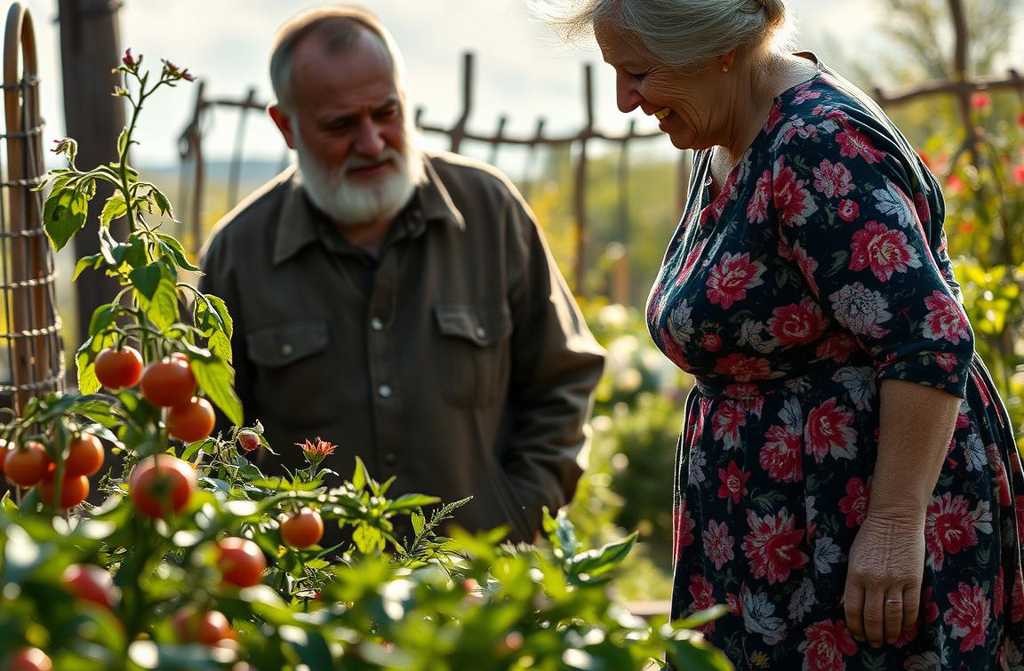
Hed put his stereo on low and head to the greenhousea big one. Knew everything about tomatoes, it seemed. Tracked every new variety, followed strict fertiliser schedules, replaced the soil every spring, treated the greenhouse with sulphur candles, layered manure beneath fresh compost, draped shade cloth inside to protect them from sunscald, installed infrared lamps for frosty spring and autumn nightsthe works.
Up here, its not like the south, where you plant em and forget em. In Yorkshire, tomatoes need work. Open the greenhouse in the morning, shut it at night. If its cold and windy, keep the door closed on the windward side. And so it went.
Ever heard a great big bloke talk to his tomatoes? I have. Like they were his kidsgentle, coaxing, pinching off suckers, feeding them. And yet, in town, word was Val was a tough boss. Fair, but no pushover. Here, though? Well, I kept that to myself.
You thought wed forgotten Granny? Wrong. Turns out she hated rock music. None of itnot Bowie, not Zeppelin, none. Every afternoon, sometimes evenings if she stayed over, shed bellow her opinions on the «racket» and the «degenerates» who listened to it.
Val would fume but never engage. In the end, hed down half a pint of bitter, growl, switch off the music, and stomp inside. And repeatnot loud, mind you, just enough to enjoy. Except for Granny.
That year, the floods came. Rain hammered down for weeks. The moors swelled, the river rose, dragging logs, fences, dog kennels, shedschaos. Folk marked the waters rise with sticks. Word spread the low roads were flooding. People bolted, fearing for their cars. Buses stopped. Those without wheels left on foot. Not panic, but close. The streets emptied.
Val held out till the last minute before fleeing in his Land Rover. Halfway out, he rememberedhed seen Granny in her garden earlier. He turned back.
«Go on without me!» she snapped. «Ive hauled my things to the roof. Not leaving my place to looters!»
Some cottages went under. Ours stayed drythe water stopped inches short. For a week, we didnt know. Val and I kept in touch. He was ragingnot about his house, but his greenhouse. Hed forgotten to open it. With sunny days ahead, his tomatoes would fry without air or water.
When the flood receded, we returned. Val came over with a bottle. We drank.
«Steve, I dont get it,» he said. «The greenhouse was watered. Doors open. I know I left em shutI was in a rush, the water was coming fast. Asked around. Everyone else had gone.»
«Except Granny.»
«Except Granny,» he repeated, glancing toward her place. «But were at each others throats!»
«Except Granny,» I said again.
«No way.» He knocked back his drink.
«Except Granny.»
He left in silence, stewing.
Granny went home when the buses ran again. Returned the next day, hauling water in bucketsher little pump mustve washed away. Slipped, fell, soaked herself, but never cursed.
Val left and came back laterI heard the engine. Granny caught the evening bus.
That night, banging and sawing came from Vals place.
«Neighbour,» I asked next morning, «who were you wrestling at midnight?»
«Bought pipes and fittings yesterday. Granny was gone, so I ran a line from my pump to her place. Saw her crawling along the bank»
Two weeks later, Val invited me over for the first tomatoes and a barbecue. Seven sharp. I brought ale and a couple of bottles of homemade wine. He was at the grill.
«Wait for the food, or start now?»
«Nah, Steve, give it fifteen minutes.»
«Whore we waiting for? Toms already here.»
«Youll see.»
A knock at the gate. In walked Granny.
But different. Hair neatly pinned, a floral dress, proper sandals, a pretty shawl, even amber beads.
«Room for one more?» she asked with a smile.
«Come in, Mary,» Val said, grinning.
I was floored.
We sat late, eating, drinking. Mary talkedabout growing up in care, raising two kids alone after her husband died, forty years on the railways. Then she and Tamara sang old songs.
Val and I listened, sipping, smiling.
«Val,» she said later, «Tam mentioned that sanatorium trip. Go. Ill mind your tomatoes. Seen how you fuss over em.»
«Youre the one who opened his greenhouse in the flood?» I blurted.
«Course. Saw the work hed put in. The way he talked to em!» She cackled, eyeing Val. «Felt sorry for the poor things!»
Val took the trip.
After, we listened to rock againbut only from noon till two. Old tunes, for Mary.