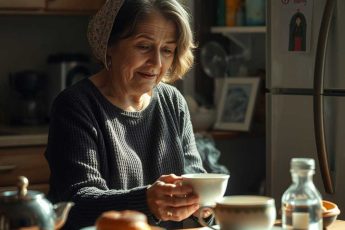
By the age of sixty, Clive found himself haunted by regrets from his younger days. Lately, memories of past mistakes kept resurfacing, as though time itself had sharpened their edges. Try as he might to push them away, they lingered stubbornly in his mind.
From boyhood, Clive had been quick-tempered, his sense of justice burning fiercely. He couldnt stand unfairness and would leap into fights without a second thought. As he grew older, his reputation as a fair judge spread. Even the other lads sought his opinion when disputes arose.
«Clive, settle this for us,» theyd say. «If Mick and Vic sneaked into old Mr. Higgins orchard to nick apples, and Vic got caught while Mick scarpered, but Vic dobbed Mick in when Mr. Higgins askedthen Mick thrashed Vic for snitching. Vic told his dad, and Mick got a hiding too. Whos in the wrong?»
Clive untangled such squabbles, earning the boys respect. But time moved on. In his eighth year at school, another injustice unfolded. Clive was a keen sportsmanfootball, cricket, and in winter, cross-country running, which he excelled at.
When the district races came round, the school held trials to pick their runner. Naturally, Clive won by a mile.
«No doubt youll be picked, Clive,» his mate Mick said. «Who else would the P.E. teacher send?»
But the P.E. teacher had other ideas. He gave the spot to Edward, the son of a friend, and announced it with a smirk.
«Edwards representing the school,» he said, while Edward sneered at Clive.
The class erupted in protests, but the teacher silenced them. Clive, barely containing his anger, approached.
«Whys this fair?» he demanded.
«Because Edwards leaving school this year. You can go next time. Now move along.» The teacher gave him a nudge.
On the way home, Clive cornered Edward. He didnt think hed hit him hard, but Edward was too bruised to race. Clive didnt go eitherthere was a row at school, especially since Edwards mother taught history there.
From then on, the P.E. teacher and the history mistress made Clives life miserable. He couldnt take it. After finishing eighth form, he left school. His parents scolded him, but Clive got a job instead.
«Mum, lay off,» he said. «I wont last in ninth form. Ill lose my temperyou know how I am.» She did, and dropped the matter.
In a village, work was scarce. Clive ended up at the farm, shadowing old Michael the vet. He loved helping, learning the trade, and Michael saw his knack for it.
«Shame you didnt stay in school, Clive,» Michael often said. «Youd have made a fine vet.»
«I like working with animals,» Clive admitted.
But fate had a twist. Edwardthe very samequalified as a vet and took Michaels place when he retired. Clive watched from the sidelines, noting Edwards lack of skill. Book learning was one thing; practice another.
He kept his distance. «Hes the qualified one,» Clive told himself.
Then the farm manager ordered Edward to vaccinate all the livestocka job Clive knew well from assisting Michael. Edward, realising he was out of his depth, went to the old vet for help. But Michael had broken his leg and was laid up at home.
«Ask Clive,» Michael said. «He knows the work inside out.»
Edward had no choice. «Help me vaccinate the cattle and pigs. I cant manage alone.»
But Clive nursed that old school grudge. «Youre the expert. Its your joband your pay.» He walked off.
The next day, the manager berated Edward in front of everyone for botching the task. Edward, drink-brave and near tears, approached Clive again.
«Clive, Im sorry about school. I remember it too. Please help.»
Pity stirred in Clive. «Cant hold a grudge forever.»
He helped Edward finish the job swiftly, earning praise. But Edwards thanks was a bottle of whisky. Clive took it, gave him a long look, then smashed it on a stone. Edward knew he didnt drink.
«A simple thank you wouldve done,» Clive muttered, walking away.
Time passed. Another incident tested Clives temper when wages went unpaid. To make ends meet, he raised bullocks to sell for meat.
One day, old Mrs. Clara asked, «Drive me to town, Clive. The bus is too much, and then theres the walk to the hospital.»
He took her, refusing payment, but she left coins on the seat. «For petrol, lad. And in case I need you again.»
Word spread, and soon others asked for lifts. Clive never refused, taking whatever they could spareor nothing at all.
For six months, he ferried villagers until Nigel, envious, started charging fixed fares. Complaints reached Clive.
«Why fleece our own?» Clive confronted him.
«Whats it to you? I charge what I like. Jealous Im stealing your custom?» Nigel laughed in his face.
Clives fist flew. Nigel tried rallying the village against him, but no one sided with him. Clives rides continued.
Justice drove Clive all his life. Once, he and Sam dug septic tanks. Business boomed, so they hired two lads. Money floweduntil Clive fell ill. Sam finished the job without himand kept his share.
«Maybe Mr. Harris didnt pay Sam,» Clive thought, approaching him.
«Clive, I paid Sam in full. He swore hed give you your cut. Dont tell me he pocketed it?»
Clive asked the lads. Sam had short-changed them, warning them to stay quiet. Rage flared.
«Wheres the money, Sam?»
«Harris paid peanuts. I gave the lads a bit, kept some You were ill»
«You call that fair?»
Sam shuffled. «The wife and I spent it all in town Ive got nothing left.»
Clives temper snapped. He thrashed Sam and never worked with him again.
But as he aged, guilt gnawed at Clive. Church sermons on sin made him reflect.
«Fighting for justice, I made mistakes. I shouldnt have raised my hand, no matter the provocation. Sams dead nowdrink did him in, not mebut I was still wrong.»
Such thoughts plagued Clive as his sixtieth birthday loomed. Sleepless nights brought regrets.
«Maybe thats why I cant sleep,» he mused. «If someone hit my sons, Id hate it. I was wrong to think violence settled anything. Id undo it all if I couldbut its too late. One rain-laced morning, Clive walked to the edge of the village cemetery, where Sams worn headstone stood half-hidden by brambles. He knelt, not in prayer, but in quiet apology spoken to the wind. Later that week, he visited Sams widow, handed her an envelope with the savings hed tucked away, and said only, It shouldve been yours long ago. She wept. Clive didnt. He had spent a lifetime measuring fairness, but only now understood it wasnt justice to punish the pastit was mercy to mend what remained. He slept that night, deeply, for the first time in years.