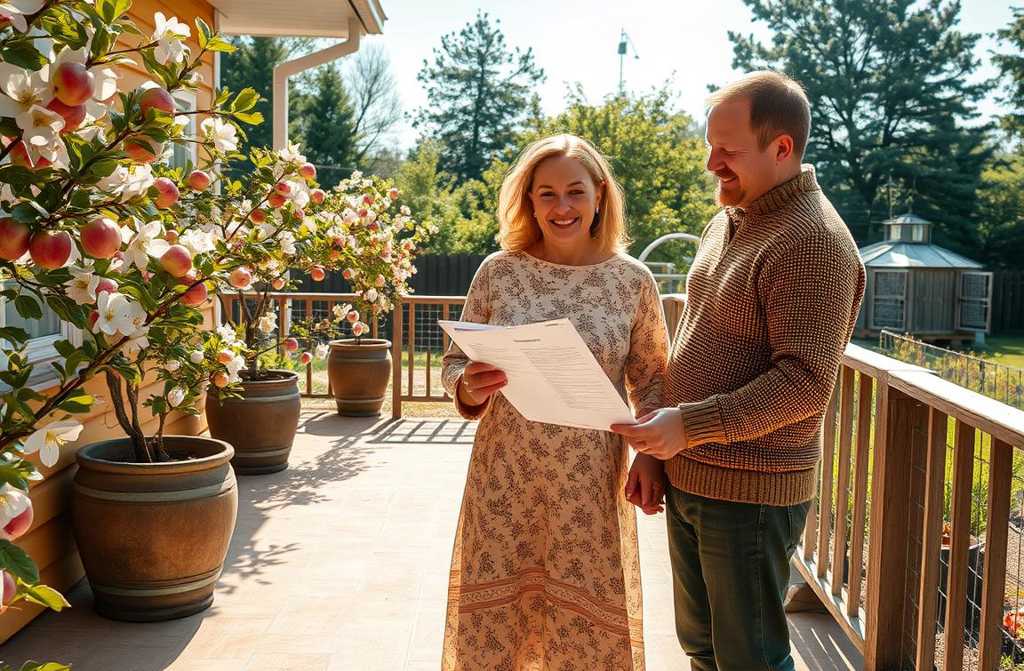
May had just turned the grass a fresh, juicy green, and in the mornings there was still a little dew clinging to the veranda panes. Emma and Jack were finally thinking seriously about renting out their cottage themselves, without an agent. The idea had been maturing for weeks friends kept warning them about commissions, forum posts were full of grumbles about lettings agents. But the biggest driver was simple: they wanted to decide for themselves who could be trusted with a place that had been their familys summer base for fifteen years.
After all, a cottage isnt just a few square metres, Jack said, trimming the dry raspberry branches while stealing a glance at Emma. Wed like people to treat it with respect, not as a cheap hotel.
Emma dabbed her hands on a towel as she stood on the porch and nodded. That year they were staying in town longer their daughter was starting an important stage of her studies and Emma needed to help out. The cottage would sit empty most of the summer, but the upkeep costs wouldnt disappear. The solution seemed obvious.
That evening, after dinner, they walked through the house together the same route theyd taken a hundred times, but now with fresh eyes. They decided what needed tidying, what to stash away so strangers wouldnt be tempted by extra stuff. Books and family photos went into boxes and up onto the loft, fresh bedding was folded into a neat stack, and in the kitchen Emma stripped the cupboards down to only the essentials.
Lets document everything, Jack suggested, pulling out his phone. They snapped pictures of each room, the garden furniture, even the old bike out by the shed just in case. Emma jotted down the little details: how many pots, what blankets were on the beds, where the spare set of keys was kept.
Later that day, when a light May shower turned the garden to puddles, they posted an advert on a letting website. The photos turned out bright you could see tomato vines already reaching up past the greenhouse, and a line of dandelions blooming along the path to the gate.
Waiting for the first replies felt a bit like waiting for guests a mix of nerves and excitement. The calls started coming quickly: people asked about WiFi, the TV, whether dogs or children were allowed. Emma answered honestly and in detail shed been a renter herself once and knew how important the small things were.
The first renters arrived at the end of May: a young couple with a sevenyearold and a mediumsized Labrador that they insisted was completely quiet. They signed a straightforward paper with their ID details and payment terms. Emma felt a flutter of nerves; the agreement wasnt registered with any agency, but that felt right for a seasonal let.
The first few days were smooth. Emma dropped by once a week to check the garden and water the tomatoes, bringing fresh towels or a loaf of bread from town. The tenants were friendly; the child waved from the kitchen window, the dog greeted them at the gate.
Three weeks in, though, the rent started slipping. At first they blamed forgetfulness or a bank error, then they started inventing unexpected expenses.
Great, thats just what we need, Jack muttered, scrolling through the messages on his phone while the sunset painted golden bars across the orchard trees.
Emma tried to keep the tone gentle, nudging them with polite reminders and offering a splitpayment option. But each conversation left her feeling more on edge, a vague, exhausting fatigue hanging over her.
By midJune it was clear the couple were planning to leave early and still owed part of the rent. When they finally moved out, the cottage greeted Emma with the smell of stale cigarettes on the porch (despite their request not to smoke indoors), rubbish under the veranda and paint splashes on the kitchen table.
See? Completely quiet dog, Jack said, eyeing the scratched storage door.
They spent most of the day cleaning hauling out trash, scrubbing the stove, tossing the old towels into the wash. The strawberry patch was already turning a deep pink, and Emma snatched a handful of ripe berries straight from the rows.
After that episode they debated whether to keep doing it at all. Maybe a lettings agency was the safer route? The thought of handing the cottage over to strangers or paying a commission on a simple key handover felt wrong.
Come midsummer they tried again, this time being more selective, asking for a months rent up front and spelling out the house rules in detail.
But the new tenants a pair of adults with a teenager arrived on a Saturday evening and immediately invited friends over for a couple of days. The parties turned into a weeklong soundtrack of loud laughter and barbecues that lasted into the small hours.
Emma called repeatedly, asking them to keep the noise down after eleven. Jack checked the garden and found empty bottles beneath the lilac bushes.
When they finally left, the cottage looked tired: the sofa was stained with wine, rubbish bags were stacked by the shed, and cigarette butts littered under the apple tree.
How much longer are we going to put up with this? Jack grumbled while scraping the last bits of barbecue off the grill.
Emma felt the disappointment growing. It seemed unfair that people could treat someone elses home so carelessly.
Maybe its our fault for not being stricter about the rules, she thought.
In August another inquiry came in a young couple without children wanted the cottage for a week. Emma, now extra vigilant, laid out every condition over the phone, insisted on photographic evidence of the cottages condition at checkin and demanded a security deposit.
They met at the gate on a scorching afternoon, the air shimmering over the path to the shed, insects buzzing from the open windows. By the end of the week the renters had damaged the microwave by heating foil, and then refused to pay for the repair.
We didnt really break anything! It was an accident, the woman protested.
Emma felt a flash of anger but held back harsh words.
Lets try to sort this calmly. Accidents happen. We can agree on a compensation without a scene, she replied.
After a brief discussion they agreed to keep part of the deposit to cover the repair and left without a fight.
When the gate slammed shut and the garden was left with only heat and the hum of bees over the terrace, Jack and Emma felt a strange mix of relief and exhaustion. They both knew this couldnt go on.
That evening, as the sun lingered and the shadows of the apple tree stretched across the yard, they sat on the veranda with a notebook. The scent of fresh grass and apples filled the air; the firstripening apples were already brushing the ground. Emma flipped through the photos taken at the last checkin and quietly ticked off everything that now needed attention.
We need a detailed checklist, she said without looking up. So everyone knows what to leave behind: dishes, appliances, linen, rubbish.
Jack nodded. He was tired of the endless backandforth, but he understood that without clear guidelines everything would revert to the old chaos. They wrote down that photos should be taken with the tenants at both movein and moveout, added a line about the deposit, clarified the key handover process, and listed how to use the appliances and what to do if something broke.
They debated the wording for a while it had to sound welcoming, not hostile, so people felt like guests rather than suspects. Every line left room for trust, but also set firm boundaries. Emma insisted the contract include a phone number for any issues, so tenants could call straight away.
Later, when the evening grew cool and the tablecloth was damp with nighttime dew, the arguments had subsided. The new checklist was neatly copied into a notebook, then typed into a spreadsheet on the laptop. The photo archive was sorted into folders: before, after, checkin, checkout. It felt like a weight had been lifted, as if theyd cleaned not just the kitchen table but a part of their own minds.
The first test came quickly. In early August a woman called to ask about the rules, listened carefully to the photo requirement and deposit, and booked the cottage with her husband and teenage daughter. They seemed calm from the start, asking where the garden tools were kept, if they could use the bike, and when to water the flowers by the porch.
Wed like to stay two weeks if thats okay, the woman said, signing the agreement without fuss.
Together they walked the cottage, noting the condition of the furniture and appliances. Emma showed where spare bulbs were stored, how the irrigation pump worked. The family listened, snapped pictures of each room, and even asked where to dispose of rubbish.
Will we be in the way if we come for the harvest? the husband asked, holding the gate open.
Not at all, Emma smiled. Just give us a headsup.
This time everything ran smoothly. No complaints in the two weeks. When Emma checked the greenhouse, the kitchen was spotless and a bowl of freshlypicked strawberries sat on the table with a note: Thanks for the trust. Everythings fine.
Jack peeked into the shed: the bikes were still upright, tools neatly stored. No bottles, no cigarette ends. Someone had even swept away last years fallen leaves under the apple tree. The microwave was polished.
On the day they left, the family met Emma and Jack at the gate. They went room by room, checking the checklist; no new scratches on the furniture, linen was washed and folded.
Thanks for the clear instructions, the woman said as she said goodbye. It made everything easier for us and for you.
Emma gave a restrained smile; a hint of caution still lingered, but the relief was genuine. They returned the deposit without a hitch, slid the contract and checklist back into the folder, ready for the next season.
August was winding down. Days grew shorter, a light mist settled over the beds each morning. Emma and Jack cleared the garden, gathered the last courgettes and peppers, and pruned the dry blackcurrant branches. The house smelled of apples and fresh laundry.
That summer theyd learned to say no without guilt and to explain the rules without irritation. Each point on the new checklist now carried care for the cottage and for the people staying in it.
Its calmer now, Jack admitted one evening, looking out the window at the darkening garden. I used to worry that too many conditions would scare people away. Now I see that honest folks appreciate clarity.
Emma smiled from the hallway, a basket of apples in her hands. She knew trust hadnt vanished; it had simply become wiser, more guarded, but still open.
In September they posted another advert, this time with confidence rather than anxiety. The description listed every rule, and the photos showed not just the rooms and garden but the checklist laid out on the kitchen table.
The first inquiries arrived quickly. People asked sensible questions about water, heating, transport. One young man wrote, Thanks for the honesty and detail its rare these days.
Emma and Jack discussed the upcoming season without the fatigue of the past. They realised peace was possible; they just needed to be attentive to themselves and to the guests who walked through their door.
The final night before the cottage closed for the season was unusually quiet. A gentle breeze rustled through the hedges; somewhere far off a dog barked. Jack locked the shed with a new lock and joined Emma on the veranda.
Think we need to add anything else to the rules? he asked.
No, Emma replied. Weve covered the essentials. Just remember to stay human.
They sat side by side, watching the garden. A new season lay ahead, full of fresh meetings this time without the fear of losing what mattered most.