«Youre barrenIll never have grandchildren from you!» wailed my mother-in-law. She didnt know it was her son who was infertile. I went on to have a child with someone else.
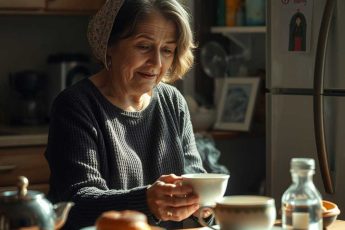
Valerie Annemy husbands motherslammed her teacup onto its saucer so hard the porcelain gave a mournful chime.
«An empty flat. Echoes in every corner.»
She cast a heavy, appraising gaze around the living room, like an inspector hunting for cracks in the foundation. Her perfumethat same wilting-lily scent shed worn for decadesfilled the air, pushing out anything fresh.
«Everyone else has the sound of children laughing. What do *we* have?»
My husband, David, set down his phone, where hed been scrolling through the news with a practiced look of intelligence.
«Mum, please. Weve talked about this.»
«*Talked!*» Her head jerked up. «Youve talked, and what good has it done? Seven years since the wedding! *Seven!*»
I stayed quiet, studying the wallpaper pattern. My usual ritualto become part of the furniture until the storm passed. I knew every leaf, every vine by heart. Seven years had made me an expert.
David sighed, slipping into his favourite role: the long-suffering son caught between two women.
«Kates just in a tricky phase. The doctors say we need to wait.»
A lie. Smooth, polished by years of use. A lie as much a part of our home as the furniture or that cursed wallpaper.
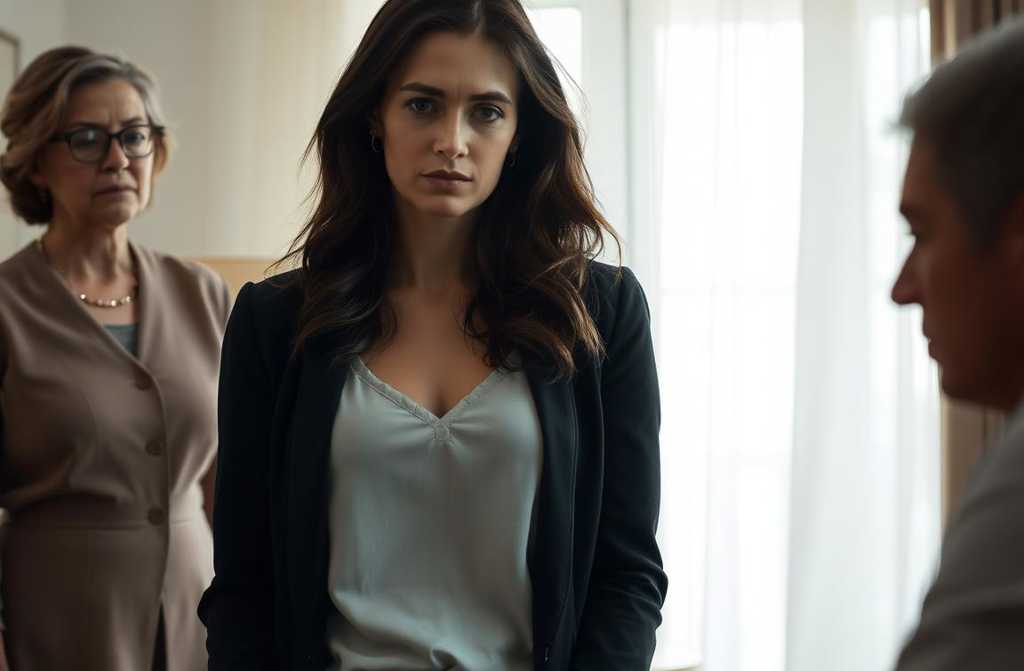
Valerie Anne turned her gaze on me. No sympathy there. Just a cold, rehearsed verdict.
«Youre barren, Kate! Ill never see grandchildren from you!»
She didnt say it with anger, but with a deep, wounded resentmentas though Id stolen something vital from her on purpose.
David leapt up.
«Mum! I wont let you speak to my wife like that!»
But his defence rang as hollow as the lie about «doctors.» He wasnt defending *me*. He was protecting his cosy little world where he bore no responsibility.
I stood slowly.
«I think Ill go lie down. My heads aching.»
Valerie Anne merely pursed her lips. Shed won. Again.
I shut the bedroom door behind me and leaned against it. I didnt cry. The tears had dried up years agoin a clinic corridor with peeling walls that smelled of bleach and despair.
Five years ago. The fertility specialists office.
A greying doctor in thick glasses stared not at us, but at Davids test results. He tapped the paper with his pen and said, with clinical detachment:
«Absolute.»
One word. Not «theres a chance,» not «treatment might help.» Just*absolute.*
Id reached for Davids hand then, to comfort him. But hed yanked his away like Id burned him. His face turned grey.
In the car, he was silent for ages. Then he turned to me, and for the first time, I saw not love in his eyesbut cold, frantic fear.
«No one can know. Especially not Mum. It would destroy her. Swear you wont tell a soul.»
And I, blinded by love and pity, swore. His loyal anchor, agreeing to carry his cross.
I walked past the closed door of what shouldve been the nursery. Wed painted it soft mint green seven years ago, right after the wedding. Now it stood as a silent monument to our lie.
That evening, David came into the bedroom. He didnt apologise for his mother. He never did.
«Ive been thinking,» he began, inspecting his nails, «that rooms just sitting there. I could use it as a study. A desk, my computer»
He meant the nursery.
«Its practical, dont you think? Why waste the space?»
I looked at him and saw, for the first time in years, not my husbandbut a stranger. Someone who spoke of our shared dream like a bad investment.
«You want to paint over the mint walls, David?»
He grimaced, as though Id said something ridiculous.
«Kate, dont start. We have to be realistic. Enough with the fantasies.»
The next day, he brought home paint samples. Five shades of grey. He spread them on the kitchen table while I made coffee.
«Look. Wet Pavement or London Fog? Perfect for a study, dont you think?»
He said it like he was discussing a new kettle. Matter-of-fact. Final.
I set a mug in front of him.
«David, dont. That room isnt justyou remember.»
«Remember *what*, Kate?» He didnt even look up. «How naïve we were? Time to move on. Dreams change. I want a proper workspace. End of.»
Two days later, I came home to find a paint roller and tray in the hallway. David hadnt waited for my consent. Hed declared war.
I stepped into the nursery. A ladder stood in the centre. In the corner, pushed aside, was the lone cot wed never dismantled. Our little white elephant.
David dusted it off.
«We should sell it online. Might even make a few quid. Practical, right?»
His *practical* stung like a slap.
That Saturday, Valerie Anne arrived unannounced, armed with a tape measure and notepad.
«Yes, David, quite right! High time! A man should focus on work, not nonsense.»
She strode into the nursery like she owned it, measuring the walls with brisk efficiency. Her cloying lilies mixed with the sharp tang of primer.
«Desk here. Shelves for files there. Kate, dont just stand theremake yourself useful. Or dont you care how your husband works?»
I stepped onto the balcony for air. But even there, the paint fumes followed. This wasnt my home anymore. It was hostile territory.
I left. Wandered aimlessly until I stumbled into a café. And there, by the window, sat Nick. My university mate, unseen in a decade.
He grinned and waved me over.
«Kate? Bloody hell! Years, its been!»
We chatted about nothingwork, the weather. He mentioned hed lost his wife a few years back and was raising his daughter alone. He spoke of her with such warmth that my chest ached.
«And you?» he asked.
Looking into his honest eyes, I realised how tired I was of lying. But habit won.
«Fine. All good.»
«You look knackered,» he said, not pitying, just kind. «Take care of yourself, yeah?»
That simple chat was the first fresh air Id breathed in years.
When I got home, David was already painting. One mint-green wall was half-covered in corpse-grey. Erasing our past, stroke by stroke.
He turned, smiling.
«Well? Looks smart, doesnt it? Proper professional.»
I said nothing. Just watched the grey creep like gangrene. Hed expected tears, a row. My silence unnerved him more than any outburst.
The next day, I was a ghost at my own lifes funeral. David and his mother painted with gusto, their voices bouncing hollowly off the walls.
I moved mechanicallywashing dishes, grocery runs, polite replies. Present, but already gone.
The final straw fell quietly.
David decided the cot had to go. He dismantled it with brisk efficiency. I watched from the doorway.
When he removed the base, a small, forgotten felt box tumbled out. Id hidden it there years ago.
He picked it up, dusted it off.
«Oh, whats this?»
Inside were tiny knitted booties Id made our first year married, and a cinema ticket from the night wed decided to try for a baby.
He snorted. Not a relicjust clutter.
«Suppose we should bin it. No point keeping junk.»
He said it so casually. So *practically*. And headed for the bin.
Something in me snapped. All the pain, the humiliations, the years of silent lies condensed into a single, icy clarity. No rage. Just calm.
I took the box from his hands.
«Kate?»
I didnt answer. Just walked to the bedroom, pulled out a suitcase. Packed only my thingsblouses, jeans, toiletries, documents. And that felt box.
David appeared, baffled.
«Are you sulking? Christ, its just old rubbish. Keep it if youre that bothered.»
He never understood.
The suitcase was light. Turned out, I owned almost nothing in that life.
I zipped it and walked past him. Valerie Anne emerged, wiping her hands on a rag.
«More dramatics? Ungrateful. Davids building a future, and you»
I stopped at the door. Turned. Looked not at my husband, but straight at his mother.
«Want to know why youve no grandchildren, Valerie?»
She faltered at my toneno meekness left.
«Ask your son. And this time, make him tell you the truth.»
I didnt wait for reactions. Just opened the door and left. And breathed properly for the first time in years.
That first night, I stayed in a cheap hotel. Didnt cry. Just lay there, listening to the fridge hum. The sound of emptiness was familiarbut now, it was *mine*.
My phone blew up. David firstrage, guilt-trips, threats. Then Valerietears, curses, melodrama. I silenced it.
Next morning, I called Nick.
«Fancy coffee? I need to talk.»
At that same café, I told him the whole truth. He listened, didnt interrupt. When I finished, he didnt pity me. Just said:
«Youre strong, Kate. If you survived that, youre strong. Stronger still for leaving.»
He helped me find a flat. Helped me move. He and his daughter, Mollya serious little thingbrought me dinner that night in Tupperware. No strings.
The divorce was ugly. David hired a pricey lawyer, painting me as «unstable,» my leaving as proof. He lied to the judges face. But I had the clinic papers Id saved all those years. He lost.
Slowly, my new life filled with noise. Mollys giggles as we made dumplings. Music in the mornings. The creak of my own floorboards.
Nick, Molly, and I spent weekends togetherparks, cinemas. I saw how he looked at me, but he didnt rush. Gave me room to breathe.
A year later, on an autumn evening in my tiny kitchen, he took my hand.
«Kate, I love you. Molly loves you. Be with us. Be our family.»
I said yes. No fear. No doubts.
Another year on, after tests and consultations, a doctor in a bright clinic smiled:
«Congratulations. Its a boy.»
That spring, James was born. Loud, bright-eyed, with his fathers honest gaze. My son. Proof I was never barrenjust trapped in a love too sterile to grow.
Once, in the park, I ran into an old neighbour. She mentioned David had sold the flat. Lives alone. Valerie visits weekendscleans, cooks. And cries.
I looked at James, napping in his pram. Felt no gloating, no pity. Just peace.
Five years on:
«Mum, look! I built a rocket!» James, nearly five, proudly displayed his block creation.
Beside him, ten-year-old Molly frowned at her sketchbook.
«James, rockets need stabilisers or theyll crash. Here»
I smiled.
«Brilliant rocket, love. And the best aerodynamics consultant in the world.»
Nick walked in, hugged me from behind, peered at the pie Id just pulled from the oven.
«Smells incredible.»
Our kitchen wasnt stylish or pristine. It was *alive*. Fridge magnets, Mollys drawings taped to walls, the beautiful mess of a family that *lived*not just existed.
On a shelf sat that felt box. Now beside itJamess tiny footprint cast, Mollys first scribble. Not a relic of pain anymore. A milestone.
Once, at a shopping centre, I saw him. David.
Grey now, tired-eyed. Studying expensive watches with that same detached scrutiny hed once used on paint charts. Trying to buy something to fill the void.
Our eyes met. He recognised me. For a secondconfusion, pain. Then the mask slid back. He turned away.
I didnt follow. No anger. No victory. Just quiet acceptance.
«Alright, Kate?» Nick touched my arm.
I turned to him, to Molly and James bickering over which shop to visit first.
«Perfect. Nowurgent family debate: fire engine or dollhouse?»
We walked off, laughing. I didnt look back.
His story ended the day I walked out. Mine began herein a home full of my childrens laughter, warmth, and light.