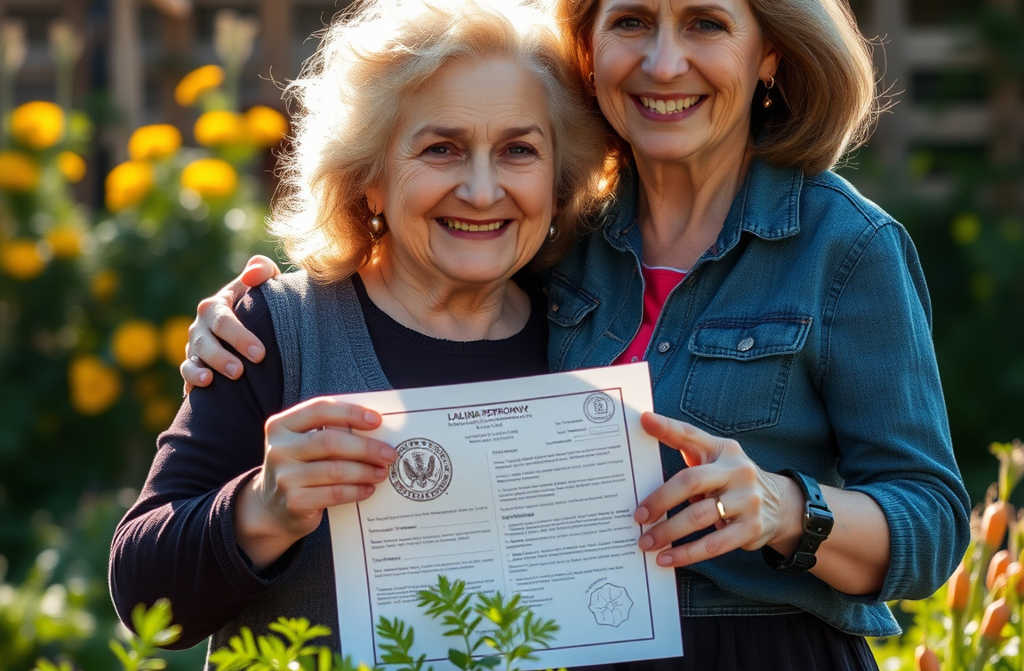
Weve decided your fence is sitting on our land, the neighbour announced, flanked by two workmen.
Those blasted hens are on my beds again! Third time this week! Have you gone completely mad?
Grace Miller stood in the gate, a crumpled bunch of carrots in her hands. Her neighbour Helen, a stout woman in a floral dressing gown, waved a dismissive hand.
Hens, what of them? Theyre everywhere, you cant keep em in check!
Then lock them in the coop! Ive been planting this garden all May!
Fix your fence and theyll stay put, Helen turned away, heading to her house. All you want is a complaint. Live with it and be happy.
Grace wanted to shout back, but held her tongue. Argue with Helen was pointless; she could argue for hours, trying to prove that black was white.
Back at the rows, Grace surveyed the damage. Carrots were bruised, cabbage crushed, onions ripped out. Tears gathered at the edge of her throat. Shed tended each sprout with care, and those cursed hens had ruined everything in half an hour.
Littleford was a tiny hamlet of about thirty cottages, everybody knowing everybodys name. Grace had spent her whole life thereborn in the cottage, married, raised a daughter named Olivia. Her husband Michael died five years ago of a heart attack. Olivia had long moved to the city, built a family, and visited only once every two months for a weekend.
Grace was left alone with her house, garden, hens, and a goat. She survived on her modest pension and the produce from the garden. Olivia sent money now and then, but Grace tried not to ask for more. Olivia had her own family and a growing grandson to look after.
Helen had moved in three years earlier, buying the property from old Mrs. Anny, who had left for her son in the city. At first they exchanged greetings and pies, but soon the disputes beganhens wandering onto Graces plot, rubbish tossed over the fence, music blaring down the lane.
Those were only the opening acts.
Across the road from Graces garden stood a derelict thatched cottage that had been empty for a decade. Its owner had died childless, and the building was slowly collapsing. In the spring, a couple bought the plot, tore down the old house, and began a new build.
Grace watched the construction with a mixture of curiosity and dread. Brick after brick rose, a twostorey house with large windows. The workers toiled from dawn till dusk, the cement mixer thrum echoing, trucks rolling back and forth.
By late summer the new house was nearly finished. Its owners appeared at the gate: a man in his midforties, tall and sharply dressed; a younger, slender woman; and a boy of about ten.
Grace decided to introduce herself, neighbours now at last. She baked an apple pie and crossed the road. The gate was still just posts, no latch. She stepped into the courtyard where the man was rummaging through a car, pulling out boxes.
Good afternoon, Grace said, moving closer. Im your neighbour from the cottage over there. Grace Miller.
He straightened, eyeing her.
Good afternoon. Andrew Clarke, he replied, not extending a hand, perhaps noticing her plain dress and wornout slippers.
I brought a pie, Grace offered the wrapped parcel. Apple, please have some.
Andrew took the pie with a thin smile, his fingers stiff.
Thank you. Ill put it away.
The woman emerged, eyes narrowing at Grace.
Whos that?
A neighbour, Andrew said. Shes brought a pie.
She glanced at Grace with a superiority that made her feel like a beggar.
Right, thank you, dear. You may go now.
Grace turned, cheeks flushing, never before spoken to in such a tone. She walked back, feeling the heat rise in her face.
After that, the new family kept to themselves, visiting only on weekends. They erected a high fence around the plot, installed cameras and an alarm system, as if fortifying a castle.
Grace tried to ignore it. Rich folk, what can you expect? At least theyre not causing trouble, she thought.
One crisp morning a knock rattled the gate. She slipped on a cardigan and stepped out. Andrew stood there with two workmen in overalls.
Good morning, Grace, he said, his voice flat, no hint of friendliness.
Good morning, she replied cautiously. Whats happening?
Weve measured the boundary, he declared. Your fence encroaches on our land by a metre and a half.
Grace blinked, stunned.
Which fence? What metre and a half?
This one, Andrew pointed to the old wooden fence that divided the two gardens. The official plan shows the line here, he jabbed a finger toward her house.
That fence has been here for thirty years! My husband put it up!
Age doesnt matter. What matters is that its on our property.
How did you come to that conclusion?
Andrew produced a sheet of paper.
Heres the boundary plan. See? The line runs like this, and your fence crosses it by a metre and a half.
Grace took the document, but the numbers and diagrams meant nothing to her.
My plot has always been this way.
Whether it was or not, youre now on our ground. We want you to move the fence.
Move it? Youre mad! That would mean rebuilding the whole thing!
Its your problem. You have two days. Either you move it yourself, or well take it down.
Grace felt the ground slip away.
You have no right!
We do. Its our land. If you wont cooperate, well go higher.
Andrew turned and walked away with his men. Grace stood in the yard, the unfamiliar paperwork trembling in her hands. What could she do? Who could she turn to?
She called her daughter first.
Olivia, Ive got a problem. The neighbours say my fence is on their land.
Mum, what neighbours? Which fence?
Grace stammered through the story of Andrew, the documents, the threats.
It cant be. That fence has stood for decades.
My dad put it there, remember?
Yes, thats right. So theyre just being bold.
What should I do?
Olivia paused.
Do you have the title deeds?
I do.
Look at them; the boundaries should be listed.
Grace dug out an old folder, found the title deed. Numbers were printed, but she still didnt understand what they meant.
You need a surveyor, Mum. Let him come, take proper measurements. And dont touch the fence until then.
What if they smash it themselves?
Call the police straight away.
The call ended, and Grace wondered where to find a surveyor. She rang her neighbour Lidia, who lived next door.
Lidia, do you know any land surveyors?
Oh, Grace, theyve gone too far! A metre and a half? This fence has always been there!
They showed up with papers, saying its all proper.
You should go to the parish council. Mr. Harold Whitman, the chair, can help.
Grace did just that. She dressed a little nicer and walked to the village hall. Harold, a man in his sixties, listened attentively.
We have a cadastral engineer in the district, Ill give you his number. Give him a call, explain everything. Hell come, take measurements, and tell you the truth.
How much will it cost?
Not cheap. Around five thousand pounds, Id guess.
Five thousand poundsalmost half her pension. Yet she had no choice.
She phoned the engineer. He promised to be there the day after tomorrow.
Until then, do not let anyone touch the fence, he warned. And dont let them do anything else.
Grace returned home, the weight of the day pressing on her shoulders. Shed lived her whole life in that cottage, never bothering anyone, tending her garden, raising a daughter. And now strangers were threatening to carve away a piece of the earth she loved.
That evening another knock sounded. Andrew stood at the gate again.
So, whats the decision?
Ive called the engineer. Hell be here soon.
Andrew smirked.
An engineer? What use? I have proper documents. My plot is surveyed, all legal.
Then show me where the line is.
Well see. Just move the fence a metre, not a full metre and a half. Thats a compromise.
Why should I move it at all? My fence is exactly where it belongs!
Because we own the land. And youre alone, you dont need all that space.
Graces fury boiled over.
This is my land, my house. No one tells me what to do!
Well be back in a week. Either you move it, or we take legal action.
He walked away, leaving Grace sobbing into the night, her heart pounding with helplessness.
The next morning she called Olivia again.
Mum, how are you holding up?
The engineer is coming tomorrow.
Do you remember exactly where the fence was built?
Of course. My husband drove stakes, I watched him with the tape measure.
Any neighbours on the other side who could back you up?
Lidia, shes lived here forever.
Call her when the engineer arrives. She can be a witness.
The engineer arrived as promised: a man in his fifties, glasses perched on his nose, carrying a handheld GPS. Grace greeted him, called Lidia over.
He spread out the title deeds, the boundary plan, and began to sweep the land with his device. After a painstaking halfhour, he looked up.
Your fence is exactly on the boundary. No intrusion at all.
Grace breathed a shaky sigh.
Are you sure?
Absolutely. Ill write a formal report with the councils seal. Hand this to anyone who questions you.
He handed her a neatly typed document, the cost of his work already deducted from her savings.
That evening Grace walked to Andrews gate, the new metal latch still glinting in the dusk. He opened the gate.
Yes?
The surveyor has confirmed the fence is correctly placed. Heres the report.
She handed him the paper. He skimmed it, then folded it back.
I have my own report.
Then we have a problem.
Ill give you a compromise. Move it a metre, not a metre and a half, and well leave it at that.
No compromise! This is my property!
Andrews face hardened.
Fine. If you wont budge, well go to court.
Come on! Im not scared!
Grace turned and walked away, tears hot on her cheeks, feeling the walls of the courtroom already looming.
Olivia arrived later, offering to find a solicitor. The parish council recommended Peter Hughes, a reputable lawyer, though his fees were steep. Grace hesitated; the amount was nearly half a years pension.
She met Peter in the district office. He was a fortysomething man in a crisp suit, his demeanor calm. He examined the documents.
Your title deed and the engineers report are solid. The neighbours plan looks questionable, possibly forged. If he sues, well have a strong defence, but litigation will cost you.
How much?
Roughly eight thousand pounds in total.
Graces stomach dropped. She confessed she couldn’t afford that.
Then well represent you probono, but youll need to handle the paperwork yourself.
Peter left her with a thin hope.
The following day two workmen appeared at Graces fence, hammering stakes into the ground.
What are you doing? Grace shouted, rushing forward.
The owner instructed us to mark the new line, one answered. The fence will be rebuilt here.
Im calling the police!
The men shrugged.
Call them if you wish.
Grace ran to the house, dialed 999, explained the situation. A police officer arrived after an hour, a young man who seemed more curious than authoritative.
Ill speak to your neighbour. He says he also has paperwork. I cant decide whos right, so youll have to sort it out in court.
He left, leaving Grace feeling more powerless than ever.
Olivia returned for the weekend, bringing her son, Jamie. Together they pored over the papers, rallied the other villagers. Lidia, Tom, and several older residents all signed statements, recalling the fences thirtyyear history.
The case was set for a month later. Grace slept poorly, her hands trembling, her mind a whirl of fear and resolve.
On the day of the hearing, Grace wore her best dress, Olivia beside her, both clutching the stack of witness statements. In the courtroom, Andrew sat across the room, impeccably dressed, his lawyer a sleek, silvertongued figure.
The judge, a stern woman in her fifties, called the case. Andrews solicitor presented the neighbours plans, claiming a onemetreandhalf encroachment.
Peter Hughes rose for Grace.
My client holds a clear title deed and an independent engineers report confirming the fence aligns with the legal boundary. Moreover, we have multiple eyewitnesses attesting that the fence has stood there for three decades.
Witness after witness stepped forward, describing how Michael, Graces late husband, had driven the stakes himself, how the children had played along that line, how Lidia had helped repair the fence in the 1990s.
Andrews lawyer tried to trip them up, but the testimonies held firm.
After a brief recess, the judge returned.
Having examined the documents and heard the testimonies, the court finds in favour of the defendant. The fence is correctly placed; there is no encroachment. The claim is dismissed.
Grace exhaled, tears of relief mingling with the sweat on her brow. Olivia squeezed her hand.
Outside, Peter shook Graces hand.
Justice has been served.
She thanked him, feeling a weight lift. They walked back to the village bus, silent but for the gentle clatter of wheels.
At home, Olivia brewed tea, and Grace stared at the garden, the fence standing solid against the twilight.
Will they stay away now? Grace asked.
I hope so, Olivia replied. Youve done enough.
The next morning Grace stepped into the garden to find the stakes the workmen had driven removed, a crumpled note nailed to the fence. The scribbled warning read,
You may have won in court, but were not finished. Remember who youre dealing with.
Grace folded the paper, her fingers trembling. The threat lingered like a cold wind.
That night she called Olivia, her voice shaking.
Theyre just trying to frighten me.
Youve got the law on your side. They cant touch you.
But what if they try again?
Then well call the police, and the officer will protect you.
The weeks passed. Andrew and his family never returned. Rumours swirled that they were selling the property and moving to the city. The empty house stood with shutters drawn, its market price too high for anyone to bite.
Grace returned to her routine: tending the carrots, feeding the hens, caring for the goat. Olivia visited on weekends, bringing her grandson, Tom, who chased butterflies through the hedges.
Grandma, is that your fence? the boy asked, pointing.
Yes, love. Its my fence, my land.
Grace smiled, proud that she had defended what was rightfully hers. The small village of Littleford whispered that a modest pensioner had stood up to a wellheeled bully and won. The memory lingered, a quiet triumph in the quiet lanes of the English countryside.