After the Factory
The summer heat lingered in the air, though by evening, the sun dipped behind the rows of brick terraces, and the breeze carried a hint of relief. The windows were wide open, a bowl of sliced tomatoes and cucumbers resting on the sillthe flat smelled faintly of the market. Outside, voices rose and fell: an argument by the entrance, children kicking a football across the tarmac, muffled laughter drifting from a neighbours flat.
Lyudmila Sergeyevna, an engineer with twenty years at the factory, sat at the kitchen table, staring at her old mobile. Since morning, the local chat groups had buzzed with one question: what would happen to the plant? Rumours spreadsome spoke of layoffs, others whispered about a sale. But today, the tension sat heavier. Her husband, Alexei, sliced bread in silence. He was never one for words, especially when it came to work.
«You think theyll really shut it down?» Lyudmila kept her voice steady, but it wavered all the same.
Alexei shrugged. He couldnt lie, even for comfort.
«If they werent planning to, theyd have said so by now. Late wages dont happen for no reason.»
She caught herself counting the days between pay slips. A month ago, theyd talked about renovating the bathroom. Now, the house hummed with worry: Would the money stretch for groceries? How to cover the bills?
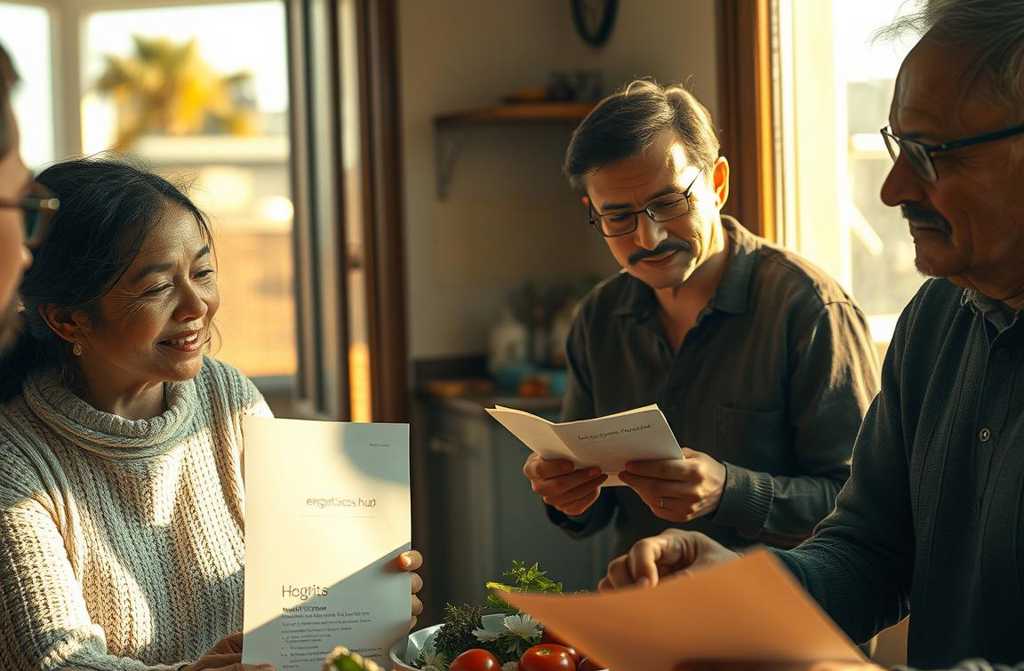
That evening, the children returnedtheir eldest, Irina, back from her shift at the chemists, and Kostya, home from his logistics course in the nearby city. He carried bags of shopping and a folder of papers.
«The job centre says if the plant closes, theyll run retraining courses for people like us. Theyre already making lists.»
Lyudmila bristled at that phrase»people like us.» As if theyd all be lined up, taught to start again from scratch.
The kitchen grew crowdedeach voice overlapping. Irina complained about rising medicine prices. Kostya suggested applying at a new warehouseapparently, they needed stock clerks.
Then the local news jingle played on the telly. Everyone fell silent. The council head appeared on-screen:
«The factory is suspending operations. Plans are in place to convert the site into a logistics hub»
The rest blurred into a dull roar in Lyudmilas ears. She saw only her familys facesAlexeis lips pressed thin, Irina turning to the window, Kostya frozen with the folder on his knees.
A door slammed in the stairwellword travelled faster than official announcements.
That night, Lyudmila tossed and turned. She remembered her first shift at the plantnervous at the machine, proud of her «excellence in production» badge. Now, it felt like another life. At dawn, she dug out her engineering diploma, her work record, and headed to the job centre. Outside, the June heat was stifling; the air smelled of cut grass and tarmac.
The queue held familiar facesthe former foreman, Belov, the bookkeeper from the next block. They joked about «new beginnings,» but their eyes were all equally weary.
«Theyre offering logistics or warehouse training. IT courses too, if youre interested,» Belov said loudly, as if convincing himself.
Lyudmila signed up for logistics. Not because she wanted tobecause sitting idle at home scared her more.
Alexei returned that evening with a leaflet: «Pipeline construction workrotational shifts.» The pay was double the factorys. But two weeks home meant a month away.
Dinner turned into a sharp argument.
«Im going up north! Theres nothing left here!» Alexei raised his voice for the first time in years.
«We could try the new hub together. The towns changing. Kostya says they need hands!» Lyudmila fought to stay calm.
«Talks cheap. We need money now!»
The children exchanged glancesIrina sided with her mother, Kostya argued for the hubs potential. The family split down the middle at the table.
Late that night, the windows stayed open. The scent of fried potatoes drifted from nearby flats; teenagers laughed in the street. Lyudmila sat by the balcony with her phone, half-tempted to call Alexeibut hed gone for a walk alone.
The rift between them was solid: Alexei set on the north, Lyudmila considering the hub. Neither would back down without a fight.
Three days later, Alexei left for his shift. The evening before, he packed in silence, glancing at Lyudmila on the balcony. Kostya helped fold his work coat and bootsodd in the summer heat. Irina cracked jokes about «new adventures,» her voice strained. On the table lay route printouts, an invitation to the hub, forms from the job centre.
At dawn, Lyudmila walked him to the coach. The square was fullfamilies seeing off loved ones, workers boarding the same service. Alexei hugged her tight, awkwardly, like always. His eyes were tired but determined.
«Hold tight here. Dont disappear,» was all he said.
The coach pulled away. She watched until it vanished round the corner. Walking home, the pavement hot underfoot, she felt holloweach of them now living in separate timelines.
The house was quietthe children out, Lyudmila rereading her retraining papers. The class was a mixformer machinists, warehouse hands, even a chemist from the next workshop. The tutor explained electronic invoicing; some scribbled in notepads, others tapped at council-issued tablets.
At first, it all felt alienstock terms jumbled in her head, the pace too quick for factory rhythms. But within a week, her hands steadied on the keyboard. She helped the woman beside her navigate the stock system.
Evenings brought the family togetherwithout Alexei. Kostya shared hub updates: council funding secured, small orders trickling in. Irina took extra shiftsfilling invoices for chemists and shops.
The windows stayed open late. The warm air carried voicesa barbecue by the entrance, neighbours swapping news on benches. Lyudmila listened: some grumbled about «better days,» others plotted delivery services or repair gigs.
Two weeks in, a message came from Alexeia short clip from his northern digs: low sun over marshes, a worksite behind chain-link.
«Alright here. Hard graft, but decent blokes.»
Later, a crackling callwind and generator noise cutting his words.
«Maybe after this rotation, Ill try for something local. If the hub works out»
Lyudmila heard the new roughness in his voicenorthern slang creeping inand felt something shift: the ache giving way to cautious hope.
The hubs work was slowthe town learning new rules. Early weeks were mishaps: delayed shipments over wrong forms, lorries sent to wrong addresses. But people leaned on each otherformer colleagues sharing advice or supper after shifts.
One evening, Kostya suggested a meeting for the neighboursto explain the hubs work, retraining chances, right there in the courtyard. Lyudmila hesitatedpublic speaking wasnt her strength. But Irina backed the idea; together, they drafted talking points, invited a few from their block.
More came than expectedwomen brought tea in flasks, homemade cakes. Kids played near the benches, their shouts mixing with talk of work and the towns future.
Lyudmila spoke plainlyno promises of easy money, just the fear shed felt weeks ago, the relief of her first small wins.
«Stick together. Its new for all of us. But if we help each otherthis place could be different.»
After, the courtyard stayed livelyideas for bulk orders, medicine runs for pensioners, even a summer fete.
A month later, Alexei returnedleaner, weary, but listening as they told him of the hubs progress. That night, round the kitchen table, the talk was lighterjokes about Irinas first stock mishaps, debates over small details.
Alexei offered to try the hub himselfnot rush back north.
«Could help with the kit. New systems going in anyway.»
The kids agreed. Lyudmila felt the weight lifttheir choices no longer a battle, just steps forward, together.
The next day, the courtyard buzzed with fete preppaper bunting strung between trees, trestle tables laid out, lads hauling water for saplings by the path.
That evening, the town felt alteredsunset light on faces, laughter ringing from gate to far end, kids darting barefoot on grass under watchful eyes from the benches.
Lyudmila noticedthe talk wasnt just of the plant or the past. They spoke of lorry routes, bike repair workshops, pooling orders for the hub.
When dark fell, the family sat by their open window, listening to the hum of the eveningstreetlamps glowing over the courtyard where laughter and play lasted long into the night.
They knew the road ahead was uncertain. But the fear had eased, replaced by quiet readiness for whatever camefacing it together.