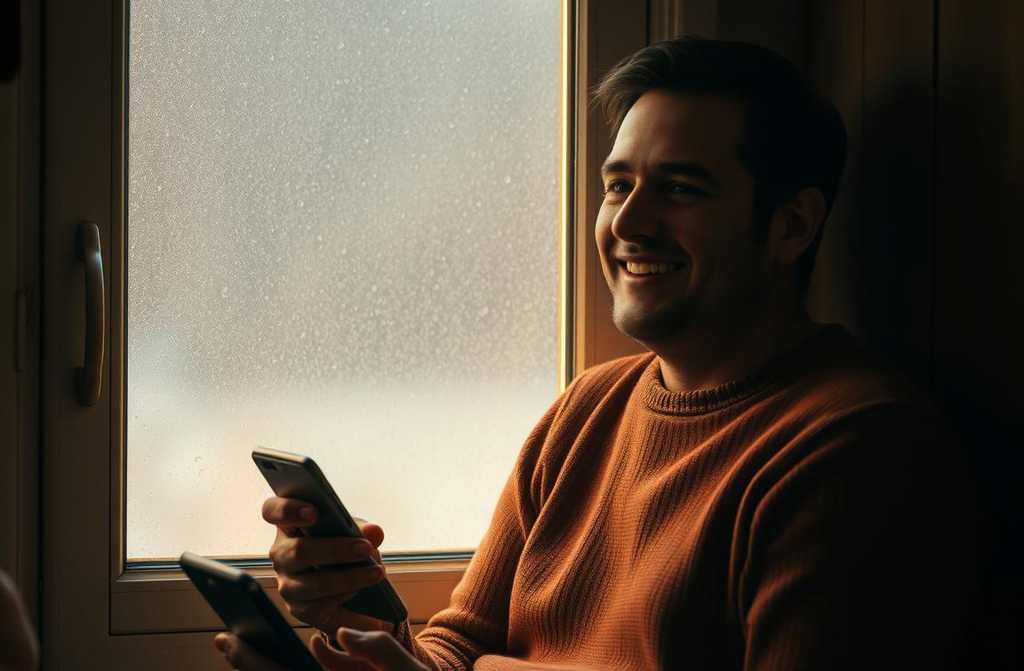
**A Strangers Journey**
When the notification about a fine flashed on his phone screen, James didnt immediately understand what was wrong. He sat at the kitchen table, elbows resting on the laminate surface. Dusk had settled over the flat, and outside, the last remnants of snow melted into uneven wet patches on the pavement. Just another evening routine: checking messages, scrolling through the news. But then an email from the car-sharing service arrived. The subject line read: *»Penalty for Speeding.»*
At first, James assumed it was a mistake. Hed last used a rented car at the start of the montha quick trip to the supermarket on the outskirtsand had carefully ended the session in the app. Since then, he hadnt driven at all. Working remotely meant no commute, and errands were handled on foot or by bus. His coat, still damp from the evenings drizzle, hung by the door. He hadnt even gone near a car.
He opened the email and read it three times. The fine was addressed to him, with yesterdays date and time stamped clearly. The vehicles registration number and location were listeda stretch of road near the train station, a place he hadnt visited in weeks.
Suspicion gave way to irritation. He opened the car-sharing app. The logo flashed, loading slowlyhis home Wi-Fi was patchy in the evenings. The trip history showed a rental the night before: started just after eight, ended forty minutes later on the other side of town.
James scanned the details. The rental began while hed been eating dinner in front of the telly, half-watching a segment about an international tech exhibition. He tapped *»View Route»*the map unfolded, grey streets scrolling beneath the traced path.
His thoughts jumped between explanations. A system glitch? Had someone hacked his account? But his password was strong, and his phone never left his side, always charging by his bed at night.
The email included a standard appeals linksupport promised a response within two days if he could prove his innocence. Fingers trembling slightly, he typed a quick message in the apps chat:
*»Evening. Received a speeding fine for rental #, but I didnt take a car out yesterdaywas at home all evening. Please verify this charge.»*
The automated reply was immediate: *»Your complaint has been logged. Await further updates.»*
He grimaced. If no one fixed this, hed be liablethe terms and conditions tied penalties to the account holder. He remembered skimming that clause when the app updated last year.
In the next room, a floorboard creaked. The heating had been off for a weekwarmer days meant the radiators stayed cold, leaving the flat chilly even with the windows shut. He listened absently: the fridge hummed, voices murmured through the thin front door.
The wait gnawed at him. To distract himself, he checked the trip history again and noticed something odd. The rental had ended abruptlyno photos of the cars interior, which the app usually required.
Helplessness rose in his throat. No direct contact with support, just forms and chatbots. He scribbled details on a notepad: the rentals start time matched the evening news; the pickup location was a shopping centre three stops from his flat.
A thought flickeredcall that solicitor friend from his old job. Hed once mentioned how hard it was to challenge fines without proof of fraud or system error. But James wanted to gather facts first, to have a solid case before dealing with supportor, worse, the police.
The next morning, he woke early, restless. No new emails. The app still listed his complaint as *»Under Review.»*
To speed things up, he cross-referenced the rentals start time with his own records: his banking app showed a takeaway order around seven, and his work messages placed him in a team chat between half-eight and nineexactly when the alleged drive happened.
He took screenshotsthe route, the rental time, his transactionsand resent them to support.
Waiting felt easier now, but he couldnt shake the absurdity of investigating himself. Every detail mattered.
Dusk crept in again. Outside, yellow streetlights glowed in puddles. Someone hurried past the building, breath misting in the cool air despite the mild evening.
By eight, support replied: *»Thank you for your patience. For further investigation, we recommend filing a police report and forwarding us a copy.»*
More bureaucracy. Now hed have to prove his innocence to the authorities.
That evening, he went to the local station. The queue was short. The duty officer listened carefully, helped draft a statement about unauthorised account access, and accepted his screenshots as evidence.
Back home, James uploaded everythingthe police report, the support emails. The final hurdle loomed: finding out whod used his account.
The next morning, car-sharing security reached outthey had CCTV footage of the rentals start.
The video loaded in the app. A figureaverage height, hood upapproached the car, unlocked it with a phone, and slid inside. The face was turned away, but one thing was clear: it wasnt James.
Relief came with exhaustion. The fine was revoked by afternoon*»Unauthorised access confirmed. Thank you for your vigilance.»* A security memo was attached.
A support agent called shortly aftercalm, professional. *»We strongly advise enabling two-factor authentication.»*
James thanked them, then updated his settings immediately. A stronger password, SMS verificationdone.
The relief was tinged with lingering frustration. The problem was solved, but any slip-up could leave him vulnerable again.
That night, he met colleagues at a café near the officea rare in-person catch-up.
«Nearly had to pay for someone elses joyride,» he said, summarising the ordeal. «Thank God for CCTV. Two-factor everything now.»
One friend frowned. «Didnt think that could happen. Better check my own settings.»
A quiet unease settled over the table. Digital habits didnt feel so trivial anymore.
He walked home in light rain, streetlights reflecting on wet pavement. The flat was cool and quiet. No new alerts.
Later, by the kitchen window, he replayed the week. Less fear of glitches or malicemore awareness of his own carelessness online.
The next day, he forwarded the security memo to a few contacts with a note: *»Worth being cautious.»* Two repliedone asked about the appeals process, the other thanked him for the tip.
The week ended quietly. Work resumed its rhythm; no more alarming emails. But every evening, he checked his security settings automaticallya new habit, folded into the quiet routines of late autumn.