30July
I sat at the kitchen window watching the evening sun glide across the slick tarmac of the back garden. The recent rain had left smudged tracks on the glass, yet I kept the sash shutinside the flat the air was warm, a little stale, tinged with the muted hum of the street outside. At fortyfour, people usually talked about grandchildren, not about the gamble of trying to become a mother again. After years of quietly nursing hope and doubt, I finally decided it was time to speak seriously with a doctor about IVF.
James placed a mug of tea on the table and settled beside me. Hes grown accustomed to my measured, unhurried way of speaking, to the way I choose each word so as not to prick his hidden worries. Are you really sure? he asked when I first voiced the idea of a late pregnancy out loud. I noddednot straightaway, but after a brief pause that held all my past disappointments and unspoken fears. He gave no argument. He simply took my hand, and I felt his own anxiety ripple through his grip.
Living with us was my mother, a woman of strict habits for whom order outweighed any personal desire. At dinner she fell silent, then said: At your age people dont take such risks. Those words settled between us like a heavy stone, resurfacing in the quiet of the bedroom many nights later.
My sister, who lives up in York, called only occasionally and offered a dry, Its your call. It was my niece, Lucy, who texted: Aunt Emma, thats brilliant! Youre brave! Her brief praise warmed me more than any adults lecture.
The first visit to the Manchester Community Health Centre was down long, peeling corridors smelling faintly of disinfectant. Summer was just beginning, and the afternoon light filtered softly even as I waited for the fertility specialists office. She examined my file and asked, Why now? That question kept resurfacingfrom the nurse drawing blood, from a familiar face on the park bench.
I answered each time in a different way. Sometimes I said, Because theres a chance. Other times I simply shrugged or offered a halfhearted smile. Beneath those answers lay a long stretch of solitude, a quiet insistence that it wasnt too late. I filled out endless forms, endured extra scans; the doctors kept their scepticism in plain sight, for age rarely brings a favourable success rate.
At home life went on. James tried to be present at every step, though his nerves matched my own. Mother grew especially irritable before each appointment, urging me not to get my hopes up, yet she would sometimes bring fruit or a cup of tea without sugarher own version of caring.
The early weeks of the pregnancy felt like existing under a glass dome. Each day I trembled at the thought of losing this fragile new start. The doctor monitored me closely, asking for weekly blood tests and scheduling ultrasounds that meant standing in long queues with women half my age.
The nurses would linger a beat longer over my birth date on the card. Conversations inevitably drifted to age: once a stranger sighed, Cant you be a little scared? I never replied; inside a stubborn fatigue was building.
Complications struck without warning. One evening a sharp pain sent me calling an ambulance. The pathology ward was stuffy even at night; the windows stayed shut because of the heat and the relentless buzz of flies. Staff greeted me with wary glances, murmuring about agerelated risks.
Doctors said matteroffactly, Well keep an eye on it, These cases need tighter control. A young midwife tried to lighten the mood, You should be resting and reading, before turning away to a neighbours bed.
Days stretched in anxious anticipation of test results, nights were punctuated by brief calls to James and occasional messages from my sister cautioning me to be careful or not to worry. Mother visited rarelyshe found it hard to watch her daughter so vulnerable.
Each new symptom set off another round of investigations or a suggestion that I be readmitted. A clash erupted with Jamess sister over whether we should continue the pregnancy at all. Jamess sharp reply, Its our decision, ended the argument.
The summer ward was hot; outside the trees rustled in full leaf, childrens voices floated from the hospital playground. I caught myself thinking back to when I was younger than the women around me, when it seemed natural to wait for a child without fearing complications or strangers judgments.
As the due date approached, tension tightened. Every flutter inside felt both miracle and omen. A phone lay on the bedside table, Jamess supportive texts arriving hourly.
Labor began early one evening, slipping from a long wait into a frantic rush of staff. Doctors spoke quickly and clearly; James waited outside the operating theatre, praying as fervently as he once did before a crucial exam at school.
I barely remember the exact moment my son entered the worldjust the whirlwind of voices and the acrid smell of antiseptic mixed with damp cloth. He emerged weak; the team whisked him away for urgent checks, saying little as they worked.
When they moved him to the neonatal unit and attached him to a ventilator, terror washed over me in such a wave that I could barely dial James. The night seemed endless; the window was propped open, warm summer air drifting in, offering no comfort.
A distant siren echoed from the ambulance bay; beyond the glass, blurred trees loomed under the parks streetlights. In that instant I finally allowed myself to admit there was no turning back.
The next morning did not bring relief, only more waiting. I opened my eyes to a stuffy ward where a gentle breeze lifted the edge of the curtain. Light filtered in slowly, and specks of dust swirled, clinging to the sill. Footsteps pattered down the corridorsoft, tired, but familiar. My body felt feeble, yet my thoughts stayed fixed on the baby breathing in the intensive care, not by his own lungs but through machines.
James arrived early. He slipped in quietly, sat beside me, and took my hand with a tremor in his voice, The doctors saidnothings changed yet. My mother called soon after sunrise; her tone held no reproach, only a cautious, How are you holding up? I answered plainly: On the edge.
The waiting became the days sole purpose. Nurses appeared infrequently; each glance they gave was brief, tinged with a hint of compassion. James tried to keep conversation light, recalling a lazy summer at the cottage or sharing news about Lucys school play. Yet the words faded on their own, slipping away before they could fill the silence.
By midday a midfifties doctor with a neat beard and weary eyes entered. In a low voice he said, Vitals are stable, trend is positive but its too early for conclusions. Those words felt like the first breath of fresh air Id taken in hours. James sat up straighter; Mother sniffed on the phone, relief cracking through her reserve.
That day relatives ceased their squabbles and gathered together: my sister sent a picture of baby booties from York, Lucy poured out a long message of encouragement, and even Mother texted, Im proud of you. The support, though initially foreign, began to feel like a lifeline.
I allowed myself a moment of calm. The morning sun painted a strip across the wall, reaching from the window to the door. Everyone in the corridor was caught in their own waitingpeople lining up for doctors, families discussing the weather or the hospital canteens menu. Here, waiting was more than a pastime; it was the invisible thread binding fear and hope.
Later James brought home a fresh shirt and a loaf of crusty bread from Mothers kitchen. We ate in silence; the food was barely tasted over the lingering anxiety. When the call from the neonatal unit finally came, I rested the phone on my knees, clutching it as if it could warm me more than a blanket.
The doctor reported gently, The babys readings are improving, hes beginning to breathe more on his own. That simple update sparked a smile on Jamess face, one that didnt bring the usual tension.
The day drifted between staff calls and short family chats. The window stayed wide open; the warm breeze carried the scent of freshly cut grass from the hospital grounds and the distant clatter of plates from the firstfloor dining hall.
Evening of the second day of waiting arrived. The doctor entered later than usual, his steps echoing down the hallway before any voice rose from the ward. He said simply, We can move the baby out of intensive care. I heard his words as if through waterhard to grasp at first. James was the first to rise, gripping my hand with an almost painful strength.
A nurse escorted us to the postICU motherandbaby suite, where the air smelled of steriliser and a sweet, milky hint from infant formula. The doctors gently lifted my son from the incubator; the ventilator had been switched off hours earlier after a consensus meeting. He was now breathing on his own.
Seeing him, tubefree, with a soft band around his head, I felt a wave of fragile joy tangled with the fear of handling his tiny hand too roughly.
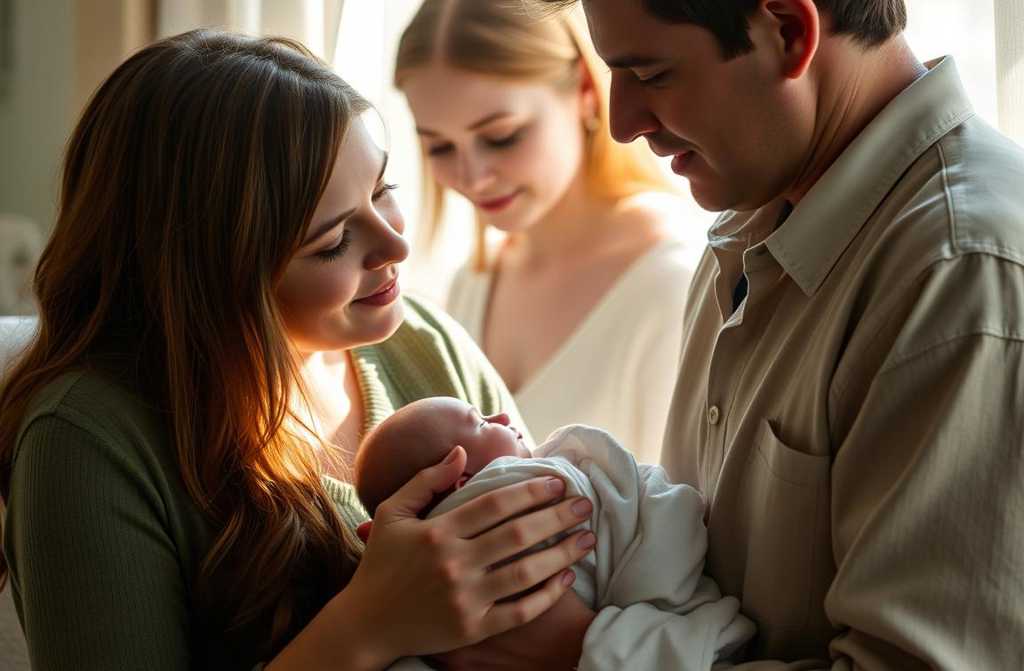
When he finally rested in my arms, he was almost weightless, eyes halfopened from the exhaustion of fighting for life. James leaned in, Look, his voice quiverednot from terror now, but from a tender, bewildered affection.
The nurses smiled, their earlier scepticism thawed. A woman in the next bed whispered, Hang in thereeverything will be alright, and those words no longer seemed hollow; they carried the weight of genuine comfort amid the sterile sheets of the summer maternity ward, shaded by the leafy trees outside.
In the hours that followed, our family drew together tighter than ever. James held our son close to Emmas chest longer than any moment of our marriage. Mother arrived on the first bus, setting aside her usual need for order, just to see her daughter finally at peace. My sister called every half hour, eager for every detail, from how long the baby slept to the softness of his sighs.
I sensed a strength inside me that I had only read about in psychology texts about late motherhood. It filled me now, real and palpable, each time my hand brushed my sons forehead or I caught Jamess glance through the narrow gap between the beds.
A few days later we were allowed out into the hospital courtyard as a family. Tall lime trees shaded paths bathed in midday sun; younger mums strolled with their toddlers, laughing, crying, living their ordinary lives, oblivious to the battles wed just fought behind those walls.
I sat on a bench, cradling my son with both arms, leaning back against Jamess shoulder. It felt as if this small trio had become each others new foundation. Fear had given way to a hardwon joy, and the loneliness that once lingered inside dissolved into a shared breath, warmed by the July wind swirling through the open ward window.