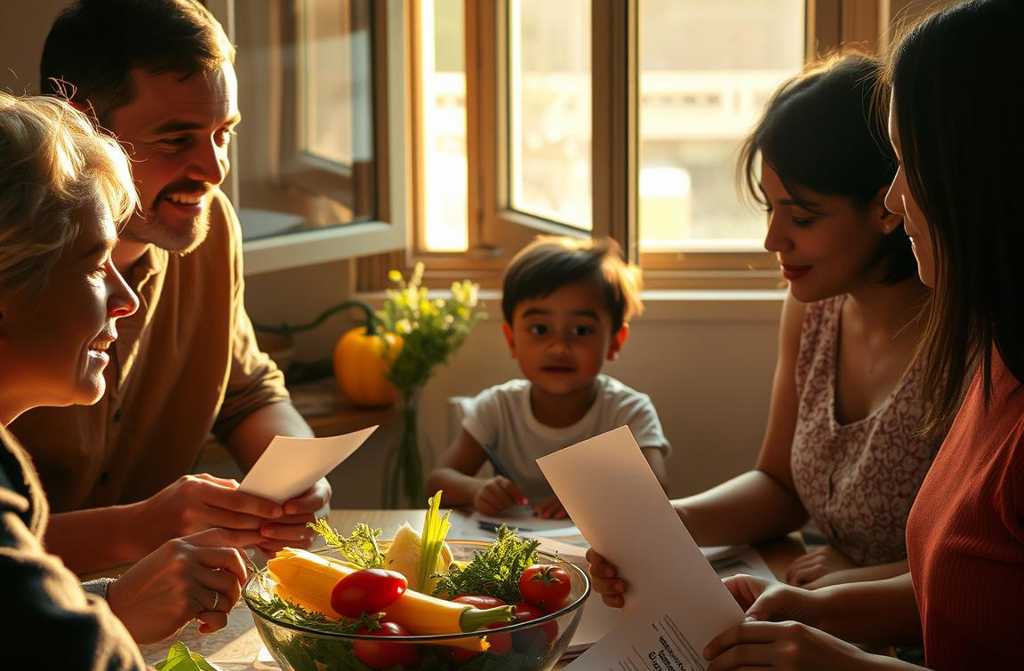
The evening air hung heavy with the lingering warmth of summer, though the sun had dipped behind the rows of brick terraces, softening the heat. Windows stood wide open, and a bowl of sliced tomatoes and cucumbers sat on the sillthe kitchen smelled faintly of the market. Outside, voices carried: an argument by the front steps, children kicking a ball across the pavement, muffled laughter drifting from the neighbours flat.
Eleanor Whitmore, an engineer with twenty years at the factory, sat at the kitchen table, her fingers tracing the edges of her old mobile. Since morning, the towns online groups had buzzed with one question: what would happen to the factory? Rumours swirledsome spoke of layoffs, others of a buyout. But today, the unease felt sharper. Her husband, James, sliced bread in silence. He was never one for words, least of all about work.
«You think theyll really shut it down?» Eleanor kept her voice steady, but it wavered all the same.
James shrugged. He didnt lie, not even to soften the blow.
«If they werent planning to, theyd have said by now. Late wages dont happen for no reason»
Eleanor caught herself counting the days between pay slips. A month ago, theyd talked of redoing the bathroom. Now, the house hummed with dread: would there be enough for groceries? For the bills?
The children returned that eveningtheir eldest, Charlotte, back from her shift at the chemists, and their son, Oliver, fresh from university in Manchester, where hed studied logistics. He carried bags of shopping and a folder of papers.
«The job centre says if it closes, theyll run retraining courses for people like us. Theyre already making lists»
Eleanor bristled at the phrase *people like us*. As if they were all to be lumped together, taught how to live again.
The kitchen grew crampedvoices overlapped, each talking over the other. Charlotte complained about rising medicine prices; Oliver suggested applying at a new warehousethey needed people for stockkeeping.
Then the local news jingle blared from the telly. Everyone fell silent. The council leader appeared on screen:
«The factory is suspending operations. The site will be repurposed as a logistics hub»
The rest blurred into a dull roar in Eleanors ears. She saw only her familys faces: Jamess lips pressed thin, Charlotte turning to the window, Oliver frozen with the folder in his lap.
A door slammed in the stairwellnews travelled faster than official announcements.
That night, Eleanor tossed in bed, sleepless. She remembered her first shift at the factorythe fear of mistakes at the assembly line, the pride in her «excellence in production» badge. Now it felt like another life. At dawn, she dug out her engineering diploma, her work records, and headed to the job centre. Outside, the June heat was oppressive; the air smelled of cut grass and tarmac.
The queue was full of familiar faces: the former foreman, Mr. Harris; the accountant from down the street. They joked about «new beginnings,» but their eyes were tired.
«Theyre offering retraining for warehouse work or logistics. IT courses too, if youre interested,» Harris said loudly, as if convincing himself.
Eleanor signed up for logistics. Not because she wanted tobecause sitting at home was worse than any course.
James returned that evening with a leaflet: «Pipeline construction workrotational shifts.» Double the factory wage. But two weeks home, four away.
Dinner turned into a fight.
«Im going up north! Theres nothing here!» James raised his voice for the first time in years.
«We could do this *together*! The towns changingOliver says the hub needs people!» Eleanor fought to stay calm.
«Plans wont pay the bills. We need money *now*!»
The children exchanged glancesCharlotte sided with her mother; Oliver argued for the hubs potential. The family split down the middle at the table.
Late that night, the windows still stood open. The scent of fried potatoes drifted from nearby flats; teenagers laughed in the street. Eleanor sat by the balcony, phone in hand, ready to call Jamesbut hed gone out, walking the estate alone.
The rift between them was solid: James set on the north, Eleanor resolved to stay for the hub. Neither would yield.
Three days later, James left for his shift. The night before, hed packed in silence, glancing at the balcony where Eleanor stood, staring at the courtyard. Oliver helped him bundle a thick coat and work bootsodd in the summer heat. Charlotte joked about «new adventures,» her voice strained. On the table lay printouts: travel routes, the hubs invitation, job centre forms.
At dawn, Eleanor walked him to the coach. The square was crowdedothers leaving, families seeing them off. James hugged her tightly, his usual awkward embrace. His eyes were weary but resolute.
«Keep going here Dont give up,» was all he said.
The coach pulled away. Eleanor watched until it vanished around the corner. Walking back on the hot pavement, she felt the hollownesseach of them now living in separate timelines.
The house was quietthe children out, Eleanor rereading her retraining papers. The class was a mix: former machinists, stock clerks, even a lab tech from the next unit. The tutor explained digital invoices; some scribbled notes, others tapped at job centre tablets.
At first, it all felt alienwarehouse jargon jumbled in her head, the pace too fast for factory rhythms. But within weeks, her hands steadied on the keyboard; she helped the woman beside her navigate the stock system.
Evenings reunited themwithout James. Oliver brought hub updates: council funding secured, small orders trickling in. Charlotte took extra workfiling invoices for chemists and shops.
The windows stayed open late. The warm air carried voices: neighbours barbecuing, debating town news on benches. Eleanor listenedsome grumbled about «better days,» others plotted delivery services or repair gigs.
Two weeks in, a message came from James: a shaky video from his northern digslow sun over moors, a fenced-off construction site.
«All right here Hard graft, but decent lads»
Later, a crackling callwind and generator noise cutting his words.
«Maybe after this rotation, Ill try for something local. If the hub works out»
Eleanor heard the unfamiliar northern twang in his voiceand felt the ache ease, just slightly, into hope.
The hubs progress was slowthe town learning new rules. Mistakes piled up: delayed shipments from wrong paperwork, a van sent to the wrong address. But people ralliedformer colleagues shared advice, meals after shifts.
One evening, Oliver proposed a meeting for the estateto explain the hub, retraining. Eleanor hesitatedpublic speaking wasnt her strength. But Charlotte backed him; together, they drafted talking points, invited neighbours.
More came than expected: women brought flasks of tea, homemade cakes; kids played near the benches, their shouts blending with adult talk of work and the towns future.
Eleanor spoke plainlyno promises of easy fixes, just the fear shed felt weeks ago, the relief of her first small wins.
«We stick together Its all new. But if we help each otherthis place could be something else.»
The crowd lingereddiscussing bulk orders, medicine runs for elderly neighbours, even a summer fête.
A month later, James returnedthinner, tired, but with new eyes for what theyd built. He listened as Eleanor and the children spoke of the hubs first successessaw how theyd woven something real with neighbours.
That night, the family gathered at the tablelaughing over mishaps, debating hub details without tension.
James offered to try local workdelay his next northern shift.
«I could help with kit Its all new installs anyway. If it doesnt take, I can always go back.»
The children agreed. Eleanor exhaledno longer a battle of choices, just steps forward, together.
The next day, the estate prepared for the fête: paper lanterns strung between trees, tables laid out, kids hauling water for saplings along the path.
The town felt different in the sunsetlaughter ringing from gate to gutter, children darting barefoot on the grass under watchful eyes from the benches.
Eleanor noticed: the talk wasnt just of the factory nowit was van routes, bike repair workshops, shared orders for the hub.
When dark fell, the family sat by the open window, listening to the hum of the estate, watching lantern glow on faces still laughing below.
They knew the road ahead wasnt certain. But the fear had dulledreplaced by quiet readiness for tomorrow, whatever it brought. Together.