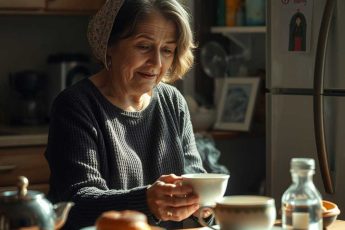
Emma was perched by the kitchen window, watching the evening sun glide over the wet pavement in the back garden. The recent rain had left smudged rings on the glass, but she didnt feel like opening it the flat was still warm and a bit dusty, tinged with the faint hum of the street outside. At fortyfour, people normally talked about grandchildren, not about trying for a baby. Yet after years of doubt and halfhearted hopes, Emma finally decided it was time to have a serious chat with the doctor about IVF.
James, her husband, set a mug of tea down on the table and slipped into the seat beside her. Hed grown used to her careful, unhurried way of speaking, the way she chose her words so as not to stir up his own hidden worries. Are you really sure? he asked when Emma first voiced the idea of a late pregnancy out loud. She nodded not straight away, but after a brief pause that held all her past setbacks and unspoken fears. James didnt argue. He took her hand in silence, and she sensed that he was scared too.
Living with Emma was her mother, a woman of strict routines for whom order mattered more than anyones feelings. At dinner her mum was quiet at first, then said, At your age people dont take such risks. Those words settled between them like a heavy stone, resurfacing in the quiet of the bedroom more than once.
Emmas sister, who lived up in Manchester, called only now and then and offered a dry, Its your call. The only really uplifting message came from her niece: Aunt Em, thats amazing! Youre brave! That short note warmed Emma more than any adults lecture could.
The first visit to the NHS clinic was down long, peelingpainted corridors that smelled faintly of disinfectant. Summer was just settling in, and the soft afternoon light filtered into the waiting room of the fertility specialist. The doctor examined Emmas file and asked, Why now? That question kept popping up from the nurse taking blood, from an old neighbour on the park bench, from anyone who seemed interested in her story.
Emma gave different answers each time. Sometimes she said, Because theres a chance. Other times she just shrugged or offered a nervous smile. Inside that decision lay a long stretch of loneliness and the effort to convince herself it wasnt too late. She filled out forms, endured extra tests the doctors didnt hide their scepticism, since age rarely brings rosy success rates.
At home things carried on. James tried to be present at every step of the procedures, even though he was just as jittery as Emma. Her mum grew especially irritable before each appointment, warning Emma not to get her hopes up. Yet at dinner shed slip Emma a piece of fruit or a cup of tea without sugar, a small way of showing her own anxiety.
The early weeks of the pregnancy felt like being under a glass dome. Every day was tinged with the fear of losing that fragile new beginning. The doctor kept a close eye on Emma, scheduling weekly blood tests and ultrasounds, often with long queues of younger women.
In the clinic the nurse lingered a beat longer over Emmas birthdate on the card. Conversations kept circling back to age once a stranger sighed, Cant you be scared? Emma never answered; inside she felt a stubborn weariness building.
Complications struck out of the blue one evening when a sharp pain sent her calling an ambulance. The pathology ward was stuffy even at night; the window stayed shut because of heat and the inevitable mosquitoes. The staff greeted her with cautious glances, whispering low about the risks that come with age.
The doctors were blunt: Well monitor, These cases need extra care. A young midwife tried to lighten the mood with, You should be resting and reading, then quickly turned away to the next patient.
Days dragged on, each one a nervous wait for test results. Nights were punctuated by short calls to James and occasional texts from the sister urging caution or telling Emma not to worry. Mum visited rarely it was hard for her to see her daughter so vulnerable.
Each new symptom sparked another round of investigations or a suggestion to admit Emma again. A clash with Jamess sister over whether to continue the pregnancy erupted, ending with Jamess sharp, Its our decision.
The summer ward was hot, while outside the trees rustled in full leaf and childrens voices drifted from the hospital playground. Emma sometimes caught herself thinking back to when she was younger, when the idea of waiting for a child felt natural, not a source of fear or judgment.
As the due date approached, tension grew. Every tiny kick inside felt both a miracle and a warning. A phone was always within reach, and James sent supportive messages almost every hour.
Labour began early one night, catching everyone offguard. The waiting turned into a flurry of activity; doctors spoke quickly and clearly. James waited outside the operating theatre, praying silently as he once had before a university exam.
Emma cant quite recall the exact moment her son was born only the chaos of voices, the sharp smell of antiseptic, the damp mop at the door. The baby emerged weak; the team whisked him away for checks, saying little.
When it became clear the little one would need a stint in neonatal care and a ventilator, a wave of terror hit Emma so hard she could barely dial James. The night seemed endless; the window was cracked open, letting in warm summer air that reminded her of the world outside, but offered no comfort.
A distant siren echoed in the courtyard, and outside the trees were silhouetted against the glow of the park lights. In that instant Emma finally whispered to herself there was no turning back.
The next morning didnt bring relief, just more waiting. Emma opened her eyes to a stuffy ward where a gentle breeze made the curtain twitch. Light filtered in slowly, and dandelion fluff drifted against the windowpane. Footsteps shuffled down the corridor tired but familiar. Emma felt detached from the scene, her body weak, her thoughts fixed on her son fighting for breath behind the machines.
James arrived early, slipped in quietly, and took her hand. His voice was hoarse from lack of sleep: Doctors said nothings changing yet. Mum called soon after sunrise; there was no blame in her tone, just a tentative, How are you holding up? Emma wanted to answer simply: On the edge.
Waiting for news became the days sole purpose. Nurses drifted by infrequently, each glance brief and tinged with a hint of sympathy. James tried to talk about ordinary things the garden theyd tend in summer, the latest news about their niece. The conversation always faded, words slipping away under the weight of uncertainty.
Around noon a middleaged doctor with a neatly trimmed beard and tired eyes spoke softly: Conditions stable, trends are positive but we cant jump to conclusions. Those words let Emma breathe a little deeper for the first time that day. James straightened in his seat; Mum hiccuped with relief over the phone.
That afternoon the family stopped bickering and gathered together: the sister sent a photo of tiny booties from Manchester, the niece wrote a long supportive message, and even Mum, who rarely texts, sent, Im proud of you. At first those words felt foreign, as if they belonged to someone else.
Emma let herself relax a touch. She stared at the bright strip of light on the wall, the morning sun stretching across the tiles to the door. Everything around her pulsed with anticipation people in the hallway waiting for appointments or test results, other rooms buzzing about the weather or the hospital canteen menu. Here, anticipation was more than a feeling; it was the invisible thread that tied everyone together in fear and hope.
Later James brought a fresh shirt and some homemade scones from Mum. They ate in silence; the taste was muted by the lingering anxiety of the past days. When the call from neonatal came, Emma cradled the phone on her knees with both hands, as if it could warm her better than the blanket.
The doctor reported cautiously: the babys numbers were inching up, he was breathing a little more on his own. That meant the world to Emma, and even James managed a faint smile without his usual tightlipped stare.
The day slipped by between nurse checkins and short family chats. The window stayed yawning open, letting in the scent of cut grass from the hospital grounds and the muted clink of plates from the groundfloor café.
Evening of the second day of waiting arrived. The doctor came in a bit later, his steps echoing down the corridor before anyone else spoke. He said simply, We can move the baby out of intensive care. Emma heard him as if through water she didnt fully believe it at first. James was the first to rise, gripping her hand almost painfully hard.
A nurse escorted them to the postNICU motherandbaby ward, where the air smelled sterile with a hint of sweet formula. The team gently lifted their son from the incubator; the ventilator had been switched off hours ago after a consensus meeting. He was now breathing on his own.
Seeing him without tubes, with a soft blanket around his tiny head and a tiny strap around his wrist, Emma felt a fragile burst of joy mixed with the fear of handling his little hand clumsily.
When the baby finally rested in her arms, he was as light as a feather, eyes barely open from the fight for life. James leaned in, Look his voice trembled, not from fear now but from a tender, bewildered awe at the miracle in front of them.
The nurses smiled, their earlier scepticism softened. A woman in the next bed whispered over her shoulder, Hang in there itll get better. Those words no longer felt like empty platitudes; they carried real weight in the sterile summer ward under the green trees of the hospital courtyard.
In the hours that followed the family clung together tighter than ever. James held their son close to Emma longer than any other moment of their marriage. Mum arrived on the first local bus, ignoring her own strict rules about keeping things tidy, just to see her daughter finally at peace. The sister called every half hour, asking about every tiny change how long the baby slept, the sound of his sighs between feeds.
Emma sensed an inner strength shed only ever read about in parenting books or heard from a therapist. It filled her now, each gentle press of her palm on her sons head, each glance at James through the narrow gap between the beds.
A few days later they were allowed out to the hospital garden as a family. The shaded lanes of lilaclined paths basked in the midday sun; younger mums strolled past with their laughing toddlers, oblivious to the battles that had just raged inside those walls.
Emma stood on a bench, cradling her son with both hands, leaning back against James. She felt that, for the first time, this little trio really was each others rock maybe even the whole familys. Fear had given way to a hardwon joy, and the loneliness that once wrapped her vanished in the shared breath of a July breeze flowing through the open ward window.