**An Unfamiliar Route**
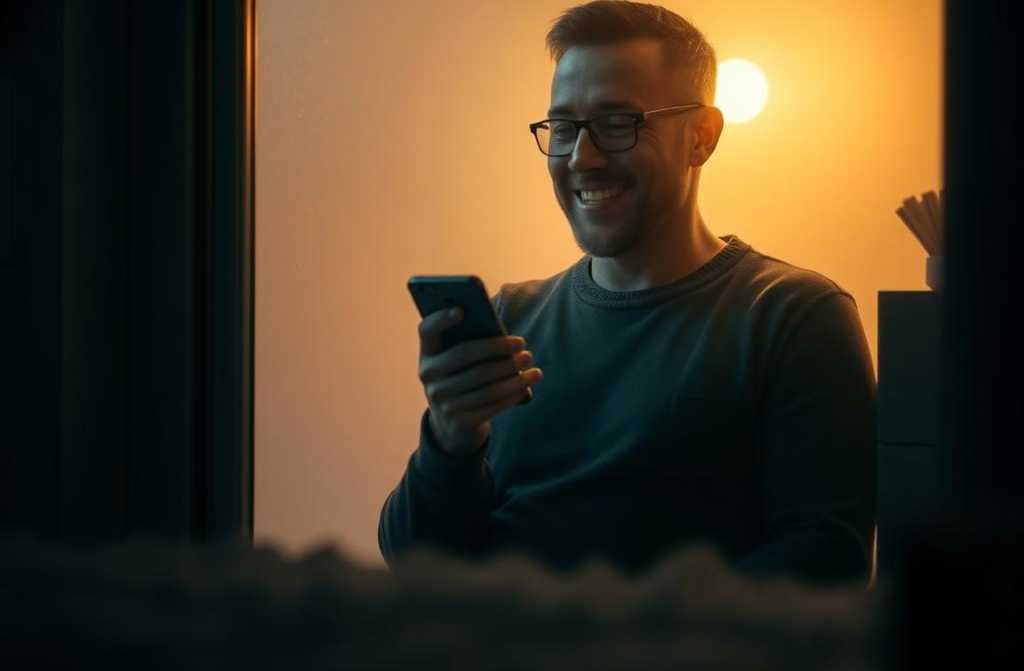
When the notification about a fine flashed on his phone screen, James didnt immediately grasp what had happened. He sat at the kitchen table, elbows propped on the laminate surface. The flat was already dimming into evening, and outside, the last remnants of snow melted into uneven wet patches on the pavement. The usual routinechecking messages, scrolling through the newshad been interrupted by an email from the car-sharing service. The subject line read: *»Speeding Fine.»*
At first, he assumed it was a mistake. Hed last rented a car at the start of the monthjust a quick trip to the supermarket on the outskirtsand had carefully closed the session in the app. Since then, hed had no reason to drive; he worked remotely, and errands were managed on foot or by bus. His coat still hung by the door, damp from the evening drizzle, but he hadnt so much as glanced at a car.
He opened the email and read it three times. The fine was addressed to him, with a date and time from the previous evening. The details included the cars registration number and the locationa stretch of road near the train station, a part of town he hadnt visited in weeks.
Suspicion gave way to irritation. He opened the car-sharing app immediately. The screen flickered with the companys logo before loading slowlythe Wi-Fi at home was always sluggish in the evenings. The trip history showed a rental the night before: started just after eight, ended forty minutes later on the opposite side of the city.
James studied the details. The rental had begun around the time hed been eating dinner in front of the telly, half-watching a segment about a tech expo. He tapped *»More details»*the route unfolded over the city map, familiar streets grey beneath the glowing line.
His thoughts jumped between possibilitiesa system glitch? Had someone hacked his account? But his password was strong, and his phone never left his side.
Scrolling back to the email, he spotted the standard appeals link. The support team promised a response within two days if he could provide proof of innocence.
His fingers trembled slightly as he typed a message in the apps chat:
*»Evening. Received a speeding fine for rental #, but I didnt use the car yesterdayI was at home all evening. Please check this charge.»*
The automated reply was immediate: *»Thank you for your query. Your case has been logged. Await further updates.»*
A thought nagged at himif this wasnt resolved, hed be the one paying. The rules tied responsibility to the account holder, a clause he vaguely recalled from last years terms update.
A floorboard creaked in the next room. The heating had been off for a week now, the evenings still cool despite closed windows. The fridge hummed in the kitchen, and muffled voices occasionally drifted up from the stairwell.
Waiting for a reply was unbearable. To distract himself, he scrolled through the rental history again and noticed something oddthe session had ended without the usual photos of the cars interior. The app always required them.
Helplessness settled in. No direct contact with a human, just forms and automated replies.
He scribbled details on a scrap of paper: the rentals start time coincided with the news segment; the pickup location was a shopping centre three stops from his flat.
A thought flickeredmaybe call his old colleague, the one whod mentioned the hassle of disputing fines without solid proof. But instinct pushed him to gather more evidence first, for both the company and, if needed, the police.
The next morning, he woke early, his sleep fractured by unease. No new emails, no updates in the chatjust the same *»under review»* status.
Determined to speed things up, he reopened the app, cross-referencing the rentals start time with his own records: mobile banking showed a takeaway order around seven, followed by work messages between half-eight and nineprecisely when the phantom rental had occurred.
He took screenshotsthe route, the rental log, his bank transactionsand resent them via the support portal.
Waiting became easier, but now he felt like an investigator building a case against himself.
Dusk thickened outside. Streetlights cast yellow smears on the wet pavement. Someone hurried past the building, breath visible in the cool air despite the mild temperature.
By eight, support replied: *»Thank you for your patience. For further action, we recommend filing a police report and forwarding us a copy to expedite the fines cancellation.»*
Another layer of bureaucracy. Now hed have to prove his innocence to the authorities.
That evening, he visited the local police station. The queue was short; the duty officer listened carefully and helped draft a statement about the unauthorised account access. A copy went to the car-sharing service with the screenshots.
Returning home late, James uploaded the police report and support correspondence.
The final hurdlefinding out whod used his account.
The next morning, the car-sharing security team reached out directly, offering footage of the rentals start.
The video loaded in the app. A medium-built figure approached the car near the shopping centre, unlocked it with a phone, slid into the drivers seat. The face was turned away, but one thing was clearit wasnt James.
Morning light bled through condensation on the kitchen window. The citys dull roar filtered in. His phone stayed silentno updates from the police or support.
He rechecked his sent folderthe footage and report had gone through last night. Security had promised a review.
Around noon, a brief email arrived: *»Your evidence has been received. Await a final decision by end of day.»* The wording felt cold. He rewatched the clipthe strangers hooded silhouette, the sharp movement by the car door.
Time dragged. He tried to workreplied to colleagues, checked reportsbut his mind circled back to the rental. The police copy lay near his keyboard, screenshots stacked beside his phone.
At two, another notification: *»After reviewing your case, weve cancelled the fine due to confirmed unauthorised access. Thank you for your vigilance.»* A security guide was attached.
He read it twice. The tension unspooled slowly, like recovery from illness. In the app, the rental had vanished from his record. *»Resolved.»*
Almost immediately, support calleda calm, professional voice.
*»We appreciate your quick action. We recommend enabling two-factor authenticationinstructions will follow.»*
He thanked them. *»Ill sort it today. Hope this doesnt happen again.»*
After hanging up, he navigated to the apps security settings. Two-factor setup took minutesa longer password, a quick SMS code. A confirmation notification popped up.
Relief mingled with lingering frustration. The issue was closed, but any slip-up could leave him vulnerable again.
That evening, he met two colleagues at a café near the officea rare in-person catch-up.
*»Nearly had to pay a fine for a joyrider,»* he summarised. *»Thank God for CCTV. Now its passwords and codes for everything.»*
One frowned. *»Didnt think that could happen. Might check my own settings.»*
A quiet unease threaded the conversation. Digital trust wasnt a given anymore.
He walked home in drizzle, streetlights pooling on wet tarmac. The stairwell was cool and quiet. Inside, he checked his phone once moreno new alerts.
Later, at the kitchen window, his thoughts shiftedless fear of glitches or malice, more wariness of his own complacency.
The next day, he forwarded the security guide to a few contacts with a note: *»Better safe than sorry.»*
Two replied quicklyone asked about disputing fines, the other thanked him for the two-factor tip.
The week settled back into routine. No more alarming emails, no odd transactions. But every evening, he checked his security settings out of habit, folding it into the rhythm of small domestic tasks as autumn deepened.
**Lesson learned:** Trust, but verifyespecially when algorithms hold the keys.