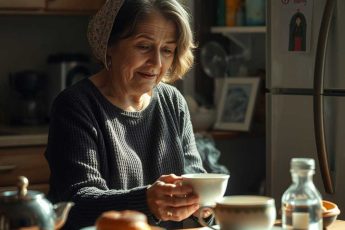
Ethel Whitmore sat at the kitchen window, watching the setting sun glide across the slick tarmac of the back garden. The recent rain had left hazy streaks on the glass, but she refused to open the pane the flat was already warm, heavy with dust and the faint hum of the street outside. At fortyfour, people usually talked about grandchildren, not the daring thought of becoming a mother again. Yet, after years of doubt and halfsuppressed hopes, Ethel finally gathered the courage to ask her doctor about IVF.
Her husband, George Whitmore, placed a steaming mug of tea on the table and settled beside her. He had grown accustomed to her measured, unhurried phrasing, to the way she chose each word so as not to stir his buried anxieties. Are you really sure? he asked when Ethel first voiced her plan for a late pregnancy out loud. She noddednot immediately, but after a brief pause that folded in every past failure and unspoken fear. George gave no argument. He took her hand in silence, and she felt his own tremor of fear.
Living under the same roof was Ethels mother, a woman of rigid habits for whom order outweighed any personal desire. At the family dinner she sat stonecold, then finally said, At your age, people stop taking such risks. Those words settled between them like a lead weight, resurfacing in the quiet of the bedroom night after night.
Her sister Margaret, who lived in Bristol, called only sparingly and offered dry support: Its your call. It was her niece, Lucy, who texted, Aunt Ethel, thats brilliant! Youre brave! That brief, heartfelt line warmed Ethel more than any adult lecture could.
The first visit to the NHS clinic unfolded down long corridors lined with peeling paint and the sharp sting of disinfectant. Summer was only just beginning, and the afternoon light softened even the waiting room of the reproductive specialist. The doctor, a composed woman in her fifties, flicked through Ethels file and asked, Why now? The same question kept echoing from nurses drawing blood to old acquaintances on the park bench.
Ethel answered differently each time. Because theres a chance, shed say. Other times she just shrugged or gave a nervous smile. Beneath every reply lay a long stretch of solitude, a relentless selftalk that it wasnt too late. She filled out endless forms, endured extra scans the clinicians could not hide their scepticism; age rarely tipped the scales toward success.
At home, George tried to be present at every step, though his nerves matched her own. Mother Whitmore grew especially irritable before each appointment, warning Ethel not to get her hopes up. Yet she would bring over a bowl of sliced apples or a cup of tea without sugar, her own clumsy way of showing concern.
The early weeks of the pregnancy felt like living inside a glass dome. Every day was haunted by the fear of losing this fragile new beginning. The doctor monitored Ethel closely, scheduling weekly blood tests and ultrasound appointments that often stretched into long queues of younger women.
In the clinic, the nurse lingered a heartbeat longer over Ethels birth date than any other line on the chart. Conversations inevitably turned to age: a stranger once sighed, Dont you ever worry? Ethel never answered; inside a stubborn fatigue grew.
Complications struck without warning. One night she was seized by a sharp pain and called an ambulance. The pathology ward was stifling, its windows rarely opened because of the heat and the buzz of flies. The staff greeted her with guarded eyes, murmuring lowkey warnings about agerelated risks.
Doctors spoke in clipped tones: Well keep an eye on it, These cases need tighter control. A young midwife tried to soften the blow, You should be resting, maybe reading a book, before turning away to the next patient.
Days stretched into anxious waiting for test results, nights punctuated by brief calls to George and occasional texts from Margaret urging caution or calm. Mother Whitmore visited rarely; it was painful for her to see her daughter so helpless.
Each new symptom sparked another cascade of tests or a recommendation for another hospital stay. A dispute erupted with Georges sister over whether to continue the pregnancy amid the complications. George ended it sharply: Its our decision.
Summer heat pressed against the ward windows; outside, trees rattled in full leaf, childrens laughter drifted from the hospital playground. Ethel sometimes found herself recalling the time when she herself was younger than the women around her, when expecting a child felt natural, not a battlefield of fear and judgement.
As the due date loomed, tension tightened. Every flutter of the baby inside was both miracle and omen. By her bedside lay a phone, and George sent a steady stream of supportive messages, each one a lifeline.
Labor arrived early, late in the evening. The long wait turned into frantic activity as the staff surged into action. Instructions flew fast and clear; George waited outside the operating theatre, praying with the same desperation hed felt before a university exam decades ago.
Ethel barely remembers the exact moment her son emerged only the chaos of voices, the acrid smell of antiseptic mixed with the damp cloth at the door. The baby arrived weak; doctors whisked him away for assessment without a word of comfort.
When the neonate was transferred to intensive care and hooked to a ventilator, terror crashed over Ethel in a wave so fierce she could barely dial George. The night stretched on endlessly; the window was propped wide, the warm summer air reminding her of the world beyond the ward, but offering no solace.
A distant siren wailed as an ambulance sped past; beyond the glass, the silhouettes of trees blurred under the glow of street lamps in the city park. In that instant Ethel finally allowed herself to admit the truth there was no turning back.
The morning after that night began not with relief but with waiting. Ethel opened her eyes to a stale room where a soft breeze tugged at the curtains edge. Light filtered in slowly, and a puff of dust swirled, sticking to the sill. Footsteps creaked down the corridor tired, muffled, yet familiar. She felt detached from the world, her body weak, her thoughts fixed on the son breathing in the intensive care unit, sustained by machines.
George arrived early. He slipped in quietly, sat beside her, and clasped her hand gently. His voice, hoarse from sleeplessness, said, The doctors said no changes for now. Mother Whitmore called shortly after dawn; her tone held no rebuke, only a tentative, How are you holding up? Ethel could only answer thinly, Just getting by.
The days sole purpose became the arrival of news. Nurses drifted in infrequently, each glance brief but tinged with faint sympathy. George tried to fill the silence with stories of a sunny weekend at the cottage or updates about Lucys school play, but the conversation always faded, words fleeing before they could land.
Around midday a doctor from intensive care a middleaged man with a neat beard and weary eyes entered and said softly, Her condition is stable, trends are positive but its too early to be sure. Those words were the first permission Ethel felt to breathe a little deeper. George sat straighter; Mother Whitmore hiccuped into a sigh of relief over the phone.
That afternoon relatives ceased their arguments and gathered their support: Margaret sent a photo of baby booties from her town, Lucy typed a long message of encouragement, and even Mother Whitmore, against her nature, texted, Im proud of you. The words felt foreign at first, as if spoken about someone else.
Ethel allowed herself a moment of calm. She watched the morning sun spill across the tiled floor, a bright band reaching from the window to the door. Everything around her pulsed with anticipation: staff waiting for the next test, patients in adjacent bays chatting about the weather or the hospital menu. Here, waiting was more than a pastime; it was the invisible thread binding fear and hope together.
Later, George brought home a fresh shirt and a homemade scone from his mother. They ate in silence; the taste was muted by the lingering anxiety of the past days. When the call from intensive care finally came, Ethel placed the phone on her knees, both palms gripping it as if it could warm her more than the blanket.
The doctors cautious update The baby is breathing more on his own now, slowly gaining strength meant everything. George managed a small, genuine smile, his usual tension easing.
The day slipped by between staff calls and brief family chats. The window stayed open, letting in the faint scent of freshly cut grass from the hospital lawn, mingled with the distant clatter of plates from the groundfloor cafeteria.
Evening fell on the second day of waiting. The doctor arrived later than usual, his footsteps echoing down the corridor before any voice rose beyond the door. He announced simply, We can move the baby out of intensive care. Ethel heard the words as if underwater, disbelief lingering. George rose abruptly, his hand squeezing hers with a grip that bordered on painful.
A nurse escorted them to the postNNU ward, where the air smelled of sterilised equipment and a sweet, milky hint from infant formula. The nurses carefully lifted their son from the incubator; the ventilator had been switched off hours earlier by consensus. He was now breathing on his own.
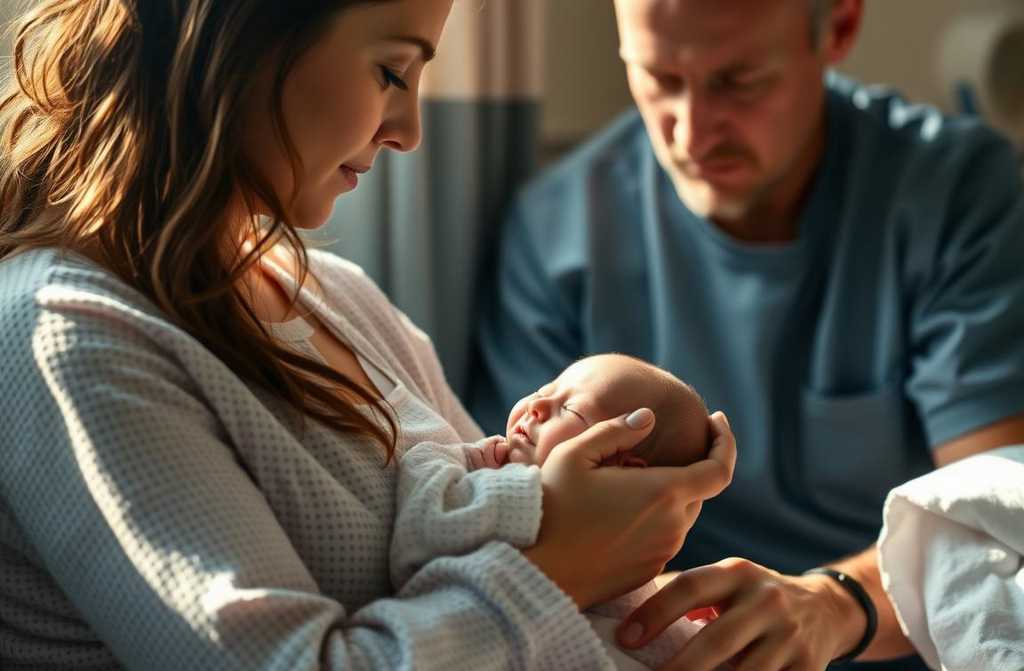
Seeing him, tubefree, with a soft ribbon around his head, Ethel felt a wave of delicate joy mingled with the terror of possibly hurting his tiny hand. When they placed him in her arms for the first time since the ordeal, he was featherlight, eyes barely open, fatigue etched into his newborn face. George leaned in, whispering, Look his voice trembled, no longer from fear but from a sudden, tender astonishment.
The nurses smiled, their earlier scepticism softened into genuine warmth. A woman in the next bed murmured, Hang in there! Things will be fine now, her words no longer empty platitudes but real encouragement.
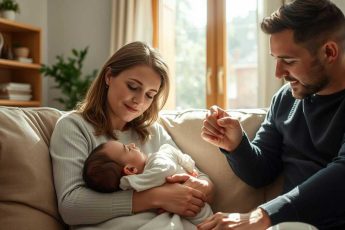
In the hours that followed, the family clung together tighter than ever. George held his son close to his wifes chest, longer than any moment of their marriage. Mother Whitmore arrived on the first bus, setting aside her strict household rules to see her daughter finally at peace. Margaret called every half hour, asking about the tiniest changes the length of a nap, a quiet sigh between feedings.
Ethel sensed a strength she had only read about in therapy books on late motherhood. It filled her through the simple act of resting her hand on her sons head, through Georges steady gaze through the narrow gap between the mothers beds.
A few days later they were allowed a brief walk in the hospital garden. Among the towering lime trees, sundappled paths stretched out, younger mums with laughing toddlers passed by, unaware of the battles fought within those walls just weeks before. Ethel sat on a bench, cradling her son with both arms, leaning against Georges shoulder. She felt the infant become a new pillar for them all, perhaps for the whole family. Fear had yielded to hardwon joy, and the loneliness of the past dissolved into a shared breath warmed by a July breeze slipping through the open ward window.