James Edward Clarke stops before the glass doors of Sunny Grove Care Home on a lateMarch morning. Silver frost still clings to the chestnut branches lining the drive, and a cleaner with a bucket of meltwater walks the cobbles. He pulls on a glove, checks his privatesecurity ID tucked in his chest pocket, and pushes the warm door open.
Forty years ago he first marched onto the parade ground as a cadet; now, at fiftyfive, he walks into the plush retirement residence as a new security officer. His army pension covers the basics, but his sons mortgage and his wifes medication demand extra cash. He has finished the refresher course, the medical exam and the cleanrecord certificateeverything is behind him, and today marks his first shift.
Tom, the receptionist, a thin young man in an impeccably pressed jacket, leads James down a corridor. Reproductions of Turner hang on the walls, and soft yellow light pours from the ceiling. Your post is next to the doctors office, Tom explains. Youll log entries and make sure strangers dont disturb the residents.
James sits at a compact desk with CCTV monitors. The screen shows a spacious lobby that resembles an aquarium: leather sofas, a coffee vending machine, and a plastic figurine of a smiling granny by the entrance. He runs his finger over a laminated map: three residential wings, physiotherapy, swimming pool. The luxury is undeniable, yet the sounds of human life are faint.
At midday, accompanying Nurse Olivia Harper on her rounds, James meets the residents. Colonel Arthur Whitfield, a retired officer, is another exmilitary, a few years older. Former department head Evelyn Lawson holds an ereader. Both nod politely, but their eyes stay wary, as if waiting for an order that could change everything.
After lunch the dining room smells of fresh dill and the steam from sterilisers. Welloff residents eat diet salmon, placing each bite with surgical precision. Behind a glass partition, rare guestsgrandchildren in pricey parkaswave, close their phones and rush out.
On his second workday James steps into the inner courtyard. Weak sunlight glints on wet tiles, and Evelyn Lawson, wrapped in a long scarf, looks down the path. Im waiting for my granddaughter. The university is nearby, but the journey feels like going to the Moon, she says with a smile. By evening the nightwatcher notes that nobody has visited Mrs. Lewis.
The scene reminds James of the country clinic where his mother once lay. There were no marble floors or imported exercise machines, yet the loneliness rang with the same hollow echo. It seems wealth does not shield against solitude.
From the thirdwing camera he watches Colonel Whitfield sitting by a window with his tablet switched off. The day before his son delivered dried fruit, signed some papers and left fifteen minutes later. Now the colonel stares at the grey sky, as if calculating an artillery trajectory with no target.
In the staff smoking room, caretaker Andy shares: By the rules residents can call anytime, but many phones have been silent for agesrelatives changed their numbers. James nods, adding another detail to the portrait of quiet rupture.
That evening he carries a box of tea sent by the colonels son into the lobby. The packet labelled for everyone sits beside a water jug, but no one reaches for a cup. He feels the familiar occupational unease: wanting to intervene, yet what authority does a guard have?
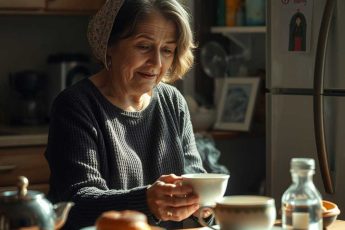
During his night patrol on the third floor, James hears a muffled sob. In a sitting room under a flickering TV, Poppy Davies, her finger stained with a large emerald on her ring, wipes her eyes with a napkin. Call my daughter? he offers. No need, shes on holiday at the seaside, she replies, turning back to the screen.
By morning a plan forms in his mind. He has organised family evenings with field kitchens at his former base. Why not try it here? At eight zero zero he reports to the receptionist: We should hold a Family Daysongs, tea, photo booth. Tom agrees and directs him to the director.
Director Laura Whitmore listens, tapping her pen against the glass tabletop. James stands at attention. Budget? she asks. Ill sort it with suppliers; the schoolorphanage band will play for free. Access control will be on me. He speaks firmly, though inside he trembles.
Permission granted. Within an hour he prints invitations. Leaflets reading Sunday, 31March. Community Day appear on the reception desk. He then phones through the directory: answering machines, faxes, silence. The first live voice belongs to Evelyn Lawsons granddaughter, Charlotte. If you really organise everything, well come, she says. The mission is accepted.
Sunday arrives. Early sunlight filters through the semitransparent curtains of the lounge, sparkling on the polished tiles. In the corners stand pots of hyacinths, and a light spring scent mixes with the aroma of fresh baked goods from the kitchen.
James inspects the room. Chairs are arranged in a semicircle, a small stage and a portable speaker sit in the centre. Tea steams on tables, beside them lie pastries donated by a local bakery. He takes a deep breath: now everything depends on the guests.
Relatives start arriving by noon. First comes Evelyn Lawsons granddaughter with her younger brother. They bring old photographs and a large chocolate cake. Evelyn smiles as if she were delivering her first lecture to fresh students.
Next walks in Colonel Whitfields son. The colonel straightens his jacket, as if on parade. They embrace, and conversation flows easily, without the usual tension.
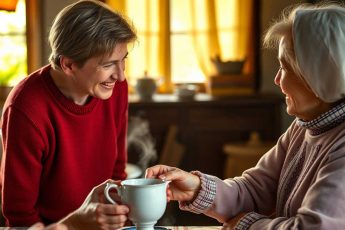
With each new family the atmosphere thaws like March ice. Grandmothers argue over jam recipes, grandfathers boast about service photographs. Those who came alone join the communal tabletea is poured, pastries offered, and James subtly nudges people closer together.
By evening, as the sun lengthens shadows in the garden, James surveys the hall. Not everyone arrived, but enough to let the spirit revive. The clamor of voices turns into a warm hum of phone exchanges and plans to drop by in May.
Laughter still ripples between tables when he spots Poppy Davies. Sitting beside her is her younger sister, who arrived on an early flight. The women hold hands and quietly leaf through an old photo album. The stone on her ring no longer trembles.
The shift draws to a close. James helps the nurses clear dishes, wheels a chair to the lift, logs guest names in the register. Inside grows a simple, sturdy confidence: a happy life does not need much. Just a little persistence and respect.
At the entrance he lingers a minute. In the small garden, rose buds push through the gravel. They still find the way to the light. James smiles, feeling for the first time that his new post is exactly where he is needed now.